

Search results
Search for "N-bromosuccinimide" in Full Text gives 88 result(s) in Beilstein Journal of Organic Chemistry.
Advances in mercury(II)-salt-mediated cyclization reactions of unsaturated bonds
- Sumana Mandal,
- Raju D. Chaudhari and
- Goutam Biswas
Beilstein J. Org. Chem. 2021, 17, 2348–2376, doi:10.3762/bjoc.17.153
- with HgCl2 (0.5 equiv) in presence of N-bromosuccinimide (NBS) undergoes cyclization yielding stable bromo alkenes 87 (Scheme 28) [80][81]. Atta et al. reported the specific cyclization of ethynyl phenols 88 in presence of HgCl2 at ambient temperature yielding benzofuran derivatives 89. They had

Graphical Abstract

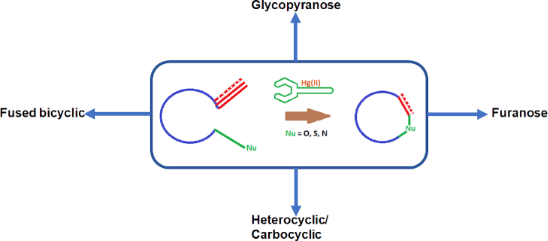
Scheme 1: Schematic representation of Hg(II)-mediated addition to an unsaturated bond.

Scheme 2: First report of Hg(II)-mediated synthesis of 2,5-dioxane derivatives from allyl alcohol.

Scheme 3: Stepwise synthesis of 2,6-distubstituted dioxane derivatives.

Scheme 4: Cyclization of carbohydrate alkene precursor.

Scheme 5: Hg(II)-mediated synthesis of C-glucopyranosyl derivatives.

Scheme 6: Synthesis of C-glycosyl amino acid derivative using Hg(TFA)2.

Scheme 7: Hg(OAc)2-mediated synthesis of α-ᴅ-ribose derivative.

Scheme 8: Synthesis of β-ᴅ-arabinose derivative 18.

Scheme 9: Hg(OAc)2-mediated synthesis of tetrahydrofuran derivatives.

Scheme 10: Synthesis of Hg(TFA)2-mediated bicyclic nucleoside derivative.

Scheme 11: Synthesis of pyrrolidine and piperidine derivatives.

Scheme 12: HgCl2-mediated synthesis of diastereomeric pyrrolidine derivatives.

Scheme 13: HgCl2-mediated cyclization of alkenyl α-aminophosphonates.

Scheme 14: Cyclization of 4-cycloocten-1-ol with Hg(OAc)2 forming fused bicyclic products.

Scheme 15: trans-Amino alcohol formation through Hg(II)-salt-mediated cyclization.

Scheme 16: Hg(OAc)2-mediated 2-aza- or 2-oxa-bicyclic ring formations.

Scheme 17: Hg(II)-salt-induced cyclic peroxide formation.

Scheme 18: Hg(OAc)2-mediated formation of 1,2,4-trioxanes.

Scheme 19: Endocyclic enol ether derivative formation through Hg(II) salts.

Scheme 20: Synthesis of optically active cyclic alanine derivatives.

Scheme 21: Hg(II)-salt-mediated formation of tetrahydropyrimidin-4(1H)-one derivatives.

Scheme 22: Cyclization of ether derivatives to form stereoselective oxazolidine derivatives.

Scheme 23: Cyclization of amide derivatives induced by Hg(OAc)2.

Scheme 24: Hg(OAc)2/Hg(TFA)2-promoted cyclization of salicylamide-derived amidal auxiliary derivatives.

Scheme 25: Hg(II)-salt-mediated cyclization to form dihydrobenzopyrans.

Scheme 26: HgCl2-induced cyclization of acetylenic silyl enol ether derivatives.

Scheme 27: Synthesis of exocyclic and endocyclic enol ether derivatives.

Scheme 28: Cyclization of trans-acetylenic alcohol by treatment with HgCl2.

Scheme 29: Synthesis of benzofuran derivatives in presence of HgCl2.

Scheme 30: a) Hg(II)-salt-mediated cyclization of 4-hydroxy-2-alkyn-1-ones to furan derivatives and b) its mec...
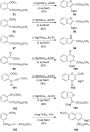
Scheme 31: Cyclization of arylacetylenes to synthesize carbocyclic and heterocyclic derivatives.

Scheme 32: Hg(II)-salt-promoted cyclization–rearrangement to form heterocyclic compounds.

Scheme 33: a) HgCl2-mediated cyclization reaction of tethered alkyne dithioacetals; and b) proposed mechanism.

Scheme 34: Cyclization of aryl allenic ethers on treatment with Hg(OTf)2.

Scheme 35: Hg(TFA)2-mediated cyclization of allene.

Scheme 36: Hg(II)-catalyzed intramolecular trans-etherification reaction of 2-hydroxy-1-(γ-methoxyallyl)tetrah...
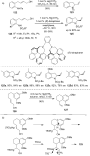
Scheme 37: a) Cyclization of alkene derivatives by catalytic Hg(OTf)2 salts and b) mechanism of cyclization.

Scheme 38: a) Synthesis of 1,4-dihydroquinoline derivatives by Hg(OTf)2 and b) plausible mechanism of formatio...

Scheme 39: Synthesis of Hg(II)-salt-catalyzed heteroaromatic derivatives.

Scheme 40: Hg(II)-salt-catalyzed synthesis of dihydropyranone derivatives.

Scheme 41: Hg(II)-salt-catalyzed cyclization of alkynoic acids.

Scheme 42: Hg(II)-salt-mediated cyclization of alkyne carboxylic acids and alcohol to furan, pyran, and spiroc...

Scheme 43: Hg(II)-salt-mediated cyclization of 1,4-dihydroxy-5-alkyne derivatives.

Scheme 44: Six-membered morpholine derivative formation by catalytic Hg(II)-salt-induced cyclization.

Scheme 45: Hg(OTf)2-catalyzed hydroxylative carbocyclization of 1,6-enyne.
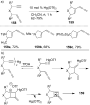
Scheme 46: a) Hg(OTf)2-catalyzed hydroxylative carbocyclization of 1,6-enyne. b) Proposed mechanism.

Scheme 47: a) Synthesis of carbocyclic derivatives using a catalytic amount of Hg(II) salt. b) Proposed mechan...

Scheme 48: Cyclization of 1-alkyn-5-ones to 2-methylfuran derivatives.

Scheme 49: Hg(NO3)2-catalyzed synthesis of 2-methylenepiperidine.

Scheme 50: a) Preparation of indole derivatives through cycloisomerization of 2-ethynylaniline and b) its mech...
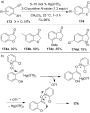
Scheme 51: a) Hg(OTf)2-catalyzed synthesis of 3-indolinones and 3-coumaranones and b) simplified mechanism.

Scheme 52: a) Hg(OTf)2-catalyzed one pot cyclization of nitroalkyne and b) its plausible mechanism.

Scheme 53: Synthesis of tricyclic heterocyclic scaffolds.

Scheme 54: HgCl2-mediated cyclization of 2-alkynylphenyl alkyl sulfoxide.

Scheme 55: a) Hg(OTf)2-catalyzed cyclization of allenes and alkynes. b) Proposed mechanism of cyclization.

Scheme 56: Stereoselective synthesis of tetrahydropyran derivatives.
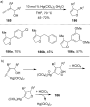
Scheme 57: a) Hg(ClO4)2-catalyzed cyclization of α-allenol derivatives. b) Simplified mechanism.

Scheme 58: Hg(TFA)2-promoted cyclization of a γ-hydroxy alkene derivative.

Scheme 59: Synthesis Hg(II)-salt-mediated cyclization of allyl alcohol for the construction of ventiloquinone ...

Scheme 60: Hg(OAc)2-mediated cyclization as a key step for the synthesis of hongconin.

Scheme 61: Examples of Hg(II)-salt-mediated cyclized ring formation in the syntheses of (±)-fastigilin C and (...

Scheme 62: Formal synthesis of (±)-thallusin.

Scheme 63: Total synthesis of hippuristanol and its analog.

Scheme 64: Total synthesis of solanoeclepin A.

Scheme 65: a) Synthesis of Hg(OTf)2-catalyzed azaspiro structure for the formation of natural products. b) Pro...
A novel methodology for the efficient synthesis of 3-monohalooxindoles by acidolysis of 3-phosphate-substituted oxindoles with haloid acids
- Li Liu,
- Yue Li,
- Tiao Huang,
- Dulin Kong and
- Mingshu Wu
Beilstein J. Org. Chem. 2021, 17, 2321–2328, doi:10.3762/bjoc.17.150
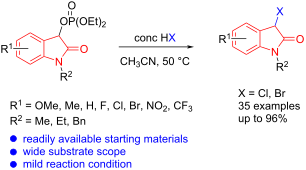
- disclosed the application of N-fluorobenzenesulfonimide (NFSI) and NBS (N-bromosuccinimide), respectively, as the halogen sources, with diazoacetamide under catalyst-free conditions via a carbene pathway, which constructed 3-fluorooxindoles and 3-bromooxindoles (Scheme 1, reaction 1) [20][21]. Then, the

Graphical Abstract

Figure 1: Representation of bioactive molecules and applications.

Scheme 1: Synthetic methodologies for 3-monohalooxindoles.
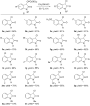
Scheme 2: Substrate scope of the acidolysis of isatin-derived phosphates 2 with hydrochloric acid. Standard r...

Scheme 3: Substrate scope of the acidolysis of isatin-derived phosphates 2 with hydrobromic acid. Standard re...

Scheme 4: Reduction of the substrates 2 to the corresponding oxindoles 5.
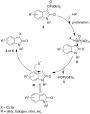
Scheme 5: Plausible reaction mechanism.
Chemical syntheses and salient features of azulene-containing homo- and copolymers
- Vijayendra S. Shetti
Beilstein J. Org. Chem. 2021, 17, 2164–2185, doi:10.3762/bjoc.17.139
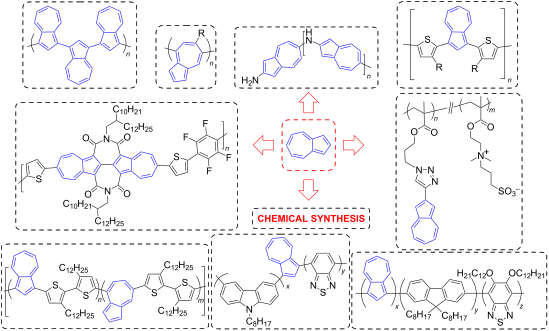
- due to the formation of dehydropolyazulene via oxidative aromatization. In 2003, Lai and co-workers [20] synthesized 1,3-polyazulene 5 from azulene in two steps as shown in Scheme 3. First, azulene (1) was dibrominated at the 1,3-positions by treatment with N-bromosuccinimide (NBS) and the consequent

Graphical Abstract

Figure 1: Chemical structure, numbering scheme, and resonance form of azulene.

Scheme 1: Synthesis of polyazulene-iodine (PAz-I2) and polyazulene-bromine (PAz-Br2) complexes.

Scheme 2: Synthesis of ‘true polyazulene’ 3 or 3’ by cationic polymerization.

Scheme 3: Synthesis of 1,3-polyazulene 5 by Yamamoto protocol.

Scheme 4: Synthesis of 4,7-dibromo-6-(n-alkyl)azulenes 12–14.

Scheme 5: Synthesis of (A) 4,7-diethynyl-6-(n-dodecyl)azulene (16) and (B) 4,7-polyazulene 17 containing an e...

Scheme 6: Synthesis of directly connected 4,7-polyazulenes 18–20.

Scheme 7: Synthesis of (A) tert-butyl N-(6-bromoazulen-2-yl)carbamate (27), (B) dimeric aminoazulene 29, and ...

Figure 2: Iminium zwitterionic resonance forms of poly[2(6)-aminoazulene] 31.

Scheme 8: Synthesis of poly{1,3-bis[2-(3-alkylthienyl)]azulene} 33–38.

Scheme 9: Synthesis of polymer ruthenium complexes 40–43.

Scheme 10: Synthesis of 4,7-polyazulenes 45 containing a thienyl linker.

Scheme 11: Synthesis of azulene-bithiophene 48 and azulene-benzothiadiazole 52 copolymers. Conditions: (a): (i...

Scheme 12: Synthesis of azulene-benzodithiophene copolymer 54 and azulene-bithiophene copolymer 56.

Scheme 13: Synthesis of (A) 5,5’-bis(trimethylstannyl)-3,3’-didodecyl-2,2’-bithiophene (60) and (B) azulene-bi...

Scheme 14: Synthesis of 1,3-bisborylated azulene 67.

Scheme 15: Synthesis of D–A-type azulene-DPP copolymers 69, 71, and 72. Conditions: (a) Pd(PPh3)4, K2CO3, Aliq...

Scheme 16: Synthesis of the key precursor TBAzDI 79.

Scheme 17: Synthesis of TBAzDI-based polymers 81 and 83. Conditions: (a) P(o-tol)3, Pd2(dba)3, PivOH, Cs2CO3, ...

Scheme 18: Synthesis of (A) 1,3-dibromo-2-arylazulene 92–98 and (B) 2-arylazulene-thiophene copolymers 99–101.
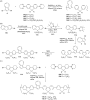
Scheme 19: Synthesis of (A) poly[2,7-(9,9-dialkylfluorenyl)-alt-(1’,3’-azulenyl)] 106–109, (B) 1,3-bis(7-bromo...

Scheme 20: Synthesis of azulene-fluorene copolymers 117–121 containing varying ratios of 1,3- and 4,7-connecte...
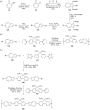
Scheme 21: Synthesis of (A) 2,6-dibromoazulene (125), (B) azulene-fluorene copolymer 126, and (C) azulene-fluo...

Scheme 22: Synthesis of 2-arylazulene-fluorene copolymers 131–134.

Scheme 23: Synthesis of azulene-fluorene-benzothiadiazole terpolymers 136–138.

Scheme 24: Synthesis of azulene-carbazole-benzothiadiazole-conjugated polymers 140–144.

Scheme 25: Synthesis of (A) azulene-2-yl methacrylate (146) and (B) the triazole-containing azulene methacryla...

Scheme 26: Synthesis of (A) azulene methacrylate polymer 151 and (B) triazole-containing azulene methacrylate ...

Scheme 27: Synthesis of azulene methyl methacrylate polymers 154, 155 (A and B) and azulene-sulfobetaine metha...
Manganese/bipyridine-catalyzed non-directed C(sp3)–H bromination using NBS and TMSN3
- Kumar Sneh,
- Takeru Torigoe and
- Yoichiro Kuninobu
Beilstein J. Org. Chem. 2021, 17, 885–890, doi:10.3762/bjoc.17.74

- Kasugakoen, Kasuga-shi, Fukuoka 816-8580, Japan 10.3762/bjoc.17.74 Abstract A Mn(II)/bipyridine-catalyzed bromination reaction of unactivated aliphatic C(sp3)−H bonds has been developed using N-bromosuccinimide (NBS) as the brominating reagent. The reaction proceeded in moderate-to-good yield, even on a
- benzylic positions of a wide range of substrates. The manganese catalyst, brominating agent, and additives are commercially available, and the reaction can be achieved by simply mixing these reagents with the substrate. Results and Discussion The reaction of isoamyl alcohol derivative 1a with N
- -bromosuccinimide (NBS) and TMSN3 in the presence of a catalytic amount of Mn(OAc)2 and bipyridine (bpy) in 1,2-dichloroethane (DCE) at 60 °C for 18 h gave C(sp3)–H brominated product 2a in 10% yield (Table 1, entry 1). Although the yield of 2a did not increase when performing the reaction in acetonitrile (Table 1

Graphical Abstract
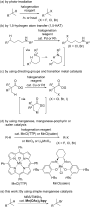
Scheme 1: Several examples of C(sp3)–H halogenation.

Scheme 2: Substrate scope. a80 °C. b45 min. c4 h. d90 °C, eGC yield of mono-brominated product 2n using mesit...

Scheme 3: Gram-scale synthesis of 2a.

Scheme 4: Conversion of the C(sp3)–Br bond.

Scheme 5: Proposed mechanism of manganese-catalyzed C(sp3)–H bromination.
Microwave-assisted multicomponent reactions in heterocyclic chemistry and mechanistic aspects
- Shivani Gulati,
- Stephy Elza John and
- Nagula Shankaraiah
Beilstein J. Org. Chem. 2021, 17, 819–865, doi:10.3762/bjoc.17.71
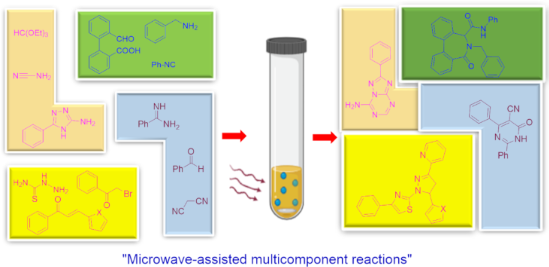

Graphical Abstract

Figure 1: Marketed drugs with acridine moiety.

Scheme 1: Synthesis of 4-arylacridinediones.

Scheme 2: Proposed mechanism for acridinedione synthesis.

Scheme 3: Synthesis of tetrahydrodibenzoacridinones.

Scheme 4: Synthesis of naphthoacridines.

Scheme 5: Plausible mechanism for naphthoacridines.
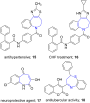
Figure 2: Benzoazepines based potent molecules.

Scheme 6: Synthesis of azepinone.

Scheme 7: Proposed mechanism for azepinone formation.

Scheme 8: Synthesis of benzoazulenen-1-one derivatives.

Scheme 9: Proposed mechanism for benzoazulene-1-one synthesis.

Figure 3: Indole-containing pharmacologically active molecules.

Scheme 10: Synthesis of functionalized indoles.

Scheme 11: Plausible mechanism for the synthesis of functionalized indoles.

Scheme 12: Synthesis of spirooxindoles.

Scheme 13: Synthesis of substituted spirooxindoles.

Scheme 14: Plausible mechanism for the synthesis of substituted spirooxindoles.

Scheme 15: Synthesis of pyrrolidinyl spirooxindoles.

Scheme 16: Proposed mechanism for pyrrolidinyl spirooxindoles.

Figure 4: Pyran-containing biologically active molecules.

Scheme 17: Synthesis of functionalized benzopyrans.

Scheme 18: Plausible mechanism for synthesis of benzopyran.

Scheme 19: Synthesis of indoline-spiro-fused pyran derivatives.

Scheme 20: Proposed mechanism for indoline-spiro-fused pyran.

Scheme 21: Synthesis of substituted naphthopyrans.

Figure 5: Marketed drugs with pyrrole ring.

Scheme 22: Synthesis of tetra-substituted pyrroles.

Scheme 23: Mechanism for silica-supported PPA-SiO2-catalyzed pyrrole synthesis.

Scheme 24: Synthesis of pyrrolo[1,10]-phenanthrolines.

Scheme 25: Proposed mechanism for pyrrolo[1,10]-phenanthrolines.

Figure 6: Marketed drugs and molecules containing pyrimidine and pyrimidinones skeletons.

Scheme 26: MWA-MCR pyrimidinone synthesis.

Scheme 27: Two proposed mechanisms for pyrimidinone synthesis.

Scheme 28: MWA multicomponent synthesis of dihydropyrimidinones.

Scheme 29: Proposed mechanism for dihydropyrimidinones.

Figure 7: Biologically active fused pyrimidines.

Scheme 30: MWA- MCR for the synthesis of pyrrolo[2,3-d]pyrimidines.

Scheme 31: Proposed mechanism for pyrrolo[2,3-d]pyrimidines.

Scheme 32: Synthesis of substituted pyrrolo[2,3-d]pyrimidine-2,4-diones.

Scheme 33: Probable pathway for pyrrolo[2,3-d]pyrimidine-2,4-diones.

Scheme 34: Synthesis of pyridopyrimidines.

Scheme 35: Plausible mechanism for the synthesis of pyridopyrimidines.

Scheme 36: Synthesis of dihydropyridopyrimidine and dihydropyrazolopyridine.

Scheme 37: Proposed mechanism for the formation of dihydropyridopyrimidine.

Scheme 38: Synthesis of thiopyrano[4,3-d]pyrimidines.

Scheme 39: Plausible mechanism for the synthesis of thiopyrano[4,3-d]pyrimidines.

Scheme 40: Synthesis of decorated imidazopyrimidines.

Scheme 41: Proposed mechanism for imidazopyrimidine synthesis.

Figure 8: Pharmacologically active molecules containing purine bases.

Scheme 42: Synthesis of aza-adenines.

Scheme 43: Synthesis of 5-aza-7-deazapurines.
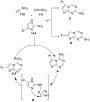
Scheme 44: Proposed mechanism for deazapurines synthesis.

Figure 9: Biologically active molecules containing pyridine moiety.

Scheme 45: Synthesis of steroidal pyridines.

Scheme 46: Proposed mechanism for steroidal pyridine.

Scheme 47: Synthesis of N-alkylated 2-pyridones.

Scheme 48: Two possible mechanisms for pyridone synthesis.

Scheme 49: Synthesis of pyridone derivatives.

Scheme 50: Postulated mechanism for synthesis of pyridone.

Figure 10: Biologically active fused pyridines.

Scheme 51: Benzimidazole-imidazo[1,2-a]pyridines synthesis.

Scheme 52: Mechanism for the synthesis of benzimidazole-imidazo[1,2-a]pyridines.

Scheme 53: Synthesis of pyrazolo[3,4-b]pyridine-5-spirocycloalkanedione derivatives.

Scheme 54: Proposed mechanism for spiro-pyridines.

Scheme 55: Functionalized macrocyclane-fused pyrazolo[3,4-b]pyridine derivatives.

Scheme 56: Mechanism postulated for macrocyclane-fused pyrazolo[3,4-b]pyridine.

Scheme 57: Generation of pyrazolo[3,4-b]pyridines.

Scheme 58: Proposed mechanism for the synthesis of pyrazolo[3,4-b]pyridines.

Scheme 59: Proposed mechanism for the synthesis of azepinoindole.

Figure 11: Pharmaceutically important molecules with quinoline moiety.

Scheme 60: Povarov-mediated quinoline synthesis.

Scheme 61: Proposed mechanism for Povarov reaction.

Scheme 62: Synthesis of pyrazoloquinoline.

Scheme 63: Plausible mechanism for pyrazoloquinoline synthesis.

Figure 12: Quinazolinones as pharmacologically significant scaffolds.

Scheme 64: Four-component reaction for dihydroquinazolinone.

Scheme 65: Proposed mechanism for dihydroquinazolinones.

Scheme 66: Synthesis purine quinazolinone and PI3K-δ inhibitor.

Scheme 67: Synthesis of fused benzothiazolo/benzoimidazoloquinazolinones.

Scheme 68: Proposed mechanism for fused benzothiazolo/benzoimidazoloquinazolinones.

Scheme 69: On-water reaction for synthesis of thiazoloquinazolinone.

Scheme 70: Proposed mechanism for the thiazoloquinazolinone synthesis.

Scheme 71: β-Cyclodextrin-mediated synthesis of indoloquinazolinediones.

Scheme 72: Proposed mechanism for synthesis of indoloquinazolinediones.

Figure 13: Triazoles-containing marketted drugs and pharmacologically active molecules.

Scheme 73: Cu(I) DAPTA-catalyzed 1,2,3-triazole formation.

Scheme 74: Mechanism for Cu(I) DAPTA-catalyzed triazole formation.

Scheme 75: Synthesis of β-hydroxy-1,2,3-triazole.

Scheme 76: Proposed mechanism for synthesis of β-hydroxy-1,2,3-triazoles.

Scheme 77: Synthesis of bis-1,2,4-triazoles.

Scheme 78: Proposed mechanism for bis-1,2,4-triazoles synthesis.

Figure 14: Thiazole containing drugs.

Scheme 79: Synthesis of a substituted thiazole ring.

Scheme 80: Synthesis of pyrazolothiazoles.

Figure 15: Chromene containing drugs.

Scheme 81: Magnetic nanocatalyst-mediated aminochromene synthesis.

Scheme 82: Proposed mechanism for the synthesis of chromenes.
Total synthesis of decarboxyaltenusin
- Lucas Warmuth,
- Aaron Weiß,
- Marco Reinhardt,
- Anna Meschkov,
- Ute Schepers and
- Joachim Podlech
Beilstein J. Org. Chem. 2021, 17, 224–228, doi:10.3762/bjoc.17.22

- protected with tert-butyldimethylsilyl chloride in the presence of 4-(dimethylamino)pyridine (DMAP) and imidazole (Scheme 2) according to a published procedure [20]. The thus obtained bis(silylether) 3 was then brominated with N-bromosuccinimide (NBS), where the utilization of acetonitrile as solvent [21

Graphical Abstract

Scheme 1: Biphenyl-derived mycotoxins.

Scheme 2: Synthesis of arylboronates 6. Conditions: a) TBSCl, DMAP, imidazole, DMF, 50 °C, 4 h (96%); b) NBS,...

Scheme 3: Synthesis of aryl bromides 9. Conditions: f) BBr3, −78 °C to rt, 18 h (71%); g) R = TBS: TBSCl, DMA...

Scheme 4: Final steps in the synthesis of biaryl 1. Conditions: h) Pd(OAc)2, SPhos, Cs2CO3, dioxane/H2O 7:1, ...
Synthesis of imidazo[1,5-a]pyridines via cyclocondensation of 2-(aminomethyl)pyridines with electrophilically activated nitroalkanes
- Dmitrii A. Aksenov,
- Nikolai A. Arutiunov,
- Vladimir V. Maliuga,
- Alexander V. Aksenov and
- Michael Rubin
Beilstein J. Org. Chem. 2020, 16, 2903–2910, doi:10.3762/bjoc.16.239
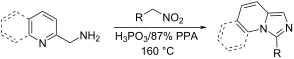
- -(bromomethyl)quinoline (21c) was prepared from commercially available 6-bromo-2-methylquinoline (22c, via radical bromination in the presence of NBS and dibenzoyl peroxide [51]. To this end, the methylquinoline 22c (3.33 g, 15 mmol) was dissolved in carbon tetrachloride (30 mL), and N-bromosuccinimide (2.94 g

Graphical Abstract

Figure 1: Biologically active imidazo[1,5-a]pyridines.

Scheme 1: Activation of nitroalkanes towards nucleophilic attack by amines.

Scheme 2: Mechanistic rationale.

Scheme 3: Reaction of the N-tosylate 17 with electrophilic nitroalkanes.

Scheme 4: Reaction of 2-(aminomethyl)pyridine (12) with electrophilic nitroalkanes.
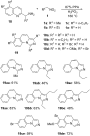
Scheme 5: Reaction of the 2-(aminomethyl)quinolines 18 with electrophilic nitroalkanes.
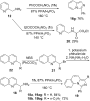
Scheme 6: Reactivity of α-nitroacetophenone (1h) and α-nitroacetic ester (1i).
Synthesis and characterization of S,N-heterotetracenes
- Astrid Vogt,
- Florian Henne,
- Christoph Wetzel,
- Elena Mena-Osteritz and
- Peter Bäuerle
Beilstein J. Org. Chem. 2020, 16, 2636–2644, doi:10.3762/bjoc.16.214

- TIPS-protected thienopyrrole 29 in 92% yield which was further brominated with N-bromosuccinimide (NBS) to dibrominated thienopyrrole 30 in 99% yield. Pd-catalyzed Neghishi-type coupling of 30 with 3-bromo-2-thienylzinc chloride (6) resulted in thienyl-substituted thienopyrrole 31 in moderate 37% yield

Graphical Abstract

Figure 1: Heteroacenes: tetrathienoacene (TTA), S,N-heteroacenes SN4, SN4', and SN4''.

Scheme 1: Synthesis of fused S,N-heterotetracene SN4 9 starting from thieno[3,2-b]thiophene (1).

Scheme 2: Synthesis of parent H-SN4 13 via the azide route.

Scheme 3: Synthesis of tetracyclic H-SN4 13 via the Cadogan route.

Scheme 4: Synthesis of tetracyclic indole derivative 19 via the Cadogan route.

Scheme 5: Synthesis of hexacyclic heteroacene SN4' 22 via the Cadogan route.

Scheme 6: Synthesis of heterotetracene SN4'' 33 via the azide and Buchwald–Hartwig amination route.

Figure 2: UV–vis absorption spectra of TTA, Hex-SN4 9, Pr-SN4'' 33 and fluorescence spectrum of 33 in THF at ...

Figure 3: Energy diagram of the frontier molecular orbitals of heterotetracenes TTA, 9, 13, 19, 22, and 33, a...
Synthetic approaches to bowl-shaped π-conjugated sumanene and its congeners
- Shakeel Alvi and
- Rashid Ali
Beilstein J. Org. Chem. 2020, 16, 2212–2259, doi:10.3762/bjoc.16.186
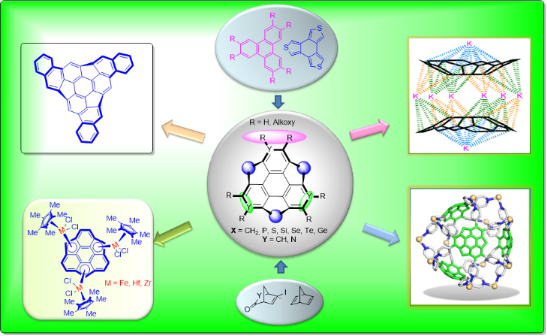
- -tribromomethyltriphenylene (8) using N-bromosuccinimide (NBS) in the presence of AIBN in CCl4. To their surprise, when compound 8 was subjected to FVP at around 850 °C temperature, only mono- and dibridged compounds (7 and 9) were isolated in overall 20% yield in (13:87) ratio. The structure of the dibridged compound 9 was

Graphical Abstract
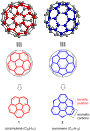
Figure 1: Representation of corannulene (1) and sumanene (2), the subunits of fullerene (C60).

Scheme 1: Mehta’s unsuccessful effort for the synthesis of sumanene scaffold 2.

Scheme 2: First synthesis of sumanene 2 by Sakurai et al. from norbornadiene 10.

Scheme 3: Synthesis of trimethylsumanene 28 from easily accessible norbornadiene (10).

Scheme 4: Generation of anions 29–31 and the preparation of tris(trimethylsilyl)sumanene 32.

Scheme 5: Synthesis of tri- and hexa-substituted sumanene derivatives.

Scheme 6: Synthesis of bowl-shaped π-extended sumanene derivatives 37a–f.

Scheme 7: Synthesis of monooxasumanene 38, trioxosumanene 40 along with imination of them.

Scheme 8: Synthesis of trimethylsumanenetrione 46 and exo-functionalized products 45a,b.

Scheme 9: Synthesis of bisumanenylidene 47 and sumanene dimer 48 from 2.

Scheme 10: The mono-substitution of 2 to generate diverse mono-sumanene derivatives 49a–d.

Scheme 11: Synthesis of sumanene building block 53 useful for further extension.

Scheme 12: Synthesis of hexafluorosumanene derivative 55 by Sakurai and co-workers.

Scheme 13: Preparation of sumanene-based carbene 60 and its reaction with cyclohexane.

Scheme 14: Barton–Kellogg reaction for the synthesis of sterically hindered alkenes.

Scheme 15: Synthesis of hydroxysumanene 68 by employing Baeyer–Villiger oxidation.

Scheme 16: Synthesis of sumanene derivatives having functionality at an internal carbon.

Scheme 17: Mechanism for nucleophilic substitution reaction at the internal carbon.

Scheme 18: Synthesis of diverse monosubstituted sumanene derivatives.
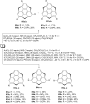
Scheme 19: Synthesis of di- and trisubstituted sumanene derivatives from sumanene (2).

Scheme 20: Preparation of monochlorosumanene 88 and hydrogenation of sumanene (2).

Scheme 21: The dimer 90 and bissumanenyl 92 achieved from halosumannes.

Scheme 22: Pyrenylsumanene 93 involving the Suzuki-coupling as a key transformation.
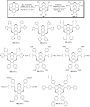
Scheme 23: Synthesis of various hexaarylsumanene derivatives using the Suzuki-coupling reaction.

Scheme 24: Synthesis of hexasubstituted sumanene derivatives 96 and 97.

Scheme 25: Synthesis of thioalkylsumanenes via an aromatic nucleophilic substitution reaction.

Scheme 26: Synthesis of tris(ethoxycarbonylethenyl)sumanene derivative 108.
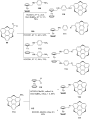
Scheme 27: Synthesis of ferrocenyl-based sumanene derivatives.

Scheme 28: Synthesis of sumanenylferrocene architectures 118 and 119 via Negishi coupling.

Scheme 29: Diosmylation and the synthesis of phenylboronate ester 121 of sumanene.

Scheme 30: Synthesis of the iron-complex of sumanene.

Scheme 31: Synthesis of tri- and mononuclear sumanenyl zirconocene complexes.

Scheme 32: Synthesis of [CpRu(η6-sumanene)]PF6.

Scheme 33: Preparation of sumanene-based porous coordination networks 127 (spherical tetramer units) and 128 (...

Scheme 34: Synthesis of sumanenylhafnocene complexes 129 and 130.

Scheme 35: Synthesis of 134 and 135 along with PdII coordination complex 136.

Scheme 36: Synthesis of alkali metals sumanene complex K7(C21H102−)2(C21H93−)·8THF (137) containing di- and tr...

Scheme 37: The encapsulation of a Cs+ ion between two sumanenyl anions.

Scheme 38: Synthesis of monothiasumanene 140 and dithiasumanene 141 from 139.

Scheme 39: Synthesis of trithiasumanene 151 by Otsubo and his co-workers.

Scheme 40: Synthesis of trithiasumanene derivatives 155 and 156.

Scheme 41: Synthetic route towards hexathiolated trithiasumanenes 158.

Scheme 42: Synthesis of triselenasumanene 160 by Shao and teammates.

Scheme 43: Synthesis of tritellurasumanene derivatives from triphenylene skeletons.
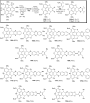
Scheme 44: Synthesis of pyrazine-fused sumanene architectures through condensation reaction.

Scheme 45: Treatment of the trichalcogenasumanenes with diverse oxidative reagents.

Scheme 46: Ring-opening reaction with H2O2 and oxone of heterasumanenes 178 and 179.

Scheme 47: Synthesis of polycyclic compounds from sumanene derivatives.

Scheme 48: Synthesis of diimide-based heterocycles reported by Shao’s and co-workers.

Scheme 49: Synthesis of pristine trichalcogenasumanenes, 151, 205, and 206.

Scheme 50: Synthesis of trichalcogenasumanenes via hexaiodotriphenylene precursor 208.

Scheme 51: Synthesis of trisilasumanenes 214 and 215.

Scheme 52: Synthesis of trisilasumanene derivatives 218 and 219.

Scheme 53: Synthesis of novel trigermasumanene derivative 223.

Scheme 54: An attempt towards the synthesis of tristannasumanene derivative 228.

Scheme 55: Synthesis of triphosphasumanene trisulfide 232 from commercially available 229.

Scheme 56: The doping of sumanene derivatives with chalcogens (S, Se, Te) and phosphorus.

Scheme 57: Synthesis of heterasumanene containing three different heteroatoms.

Scheme 58: Synthesis of trichalcogenasumanene derivatives 240 and 179.

Scheme 59: Preparation of trichalcogenasumanenes 245 and 248.

Scheme 60: Design and synthesis of trichalcogenasumanene derivatives 252 and 178.

Scheme 61: Synthesis of spirosumanenes 264–269 and non-spiroheterasumanenes 258–263.

Scheme 62: Synthesis of sumanene-type hetero polycyclic compounds.

Scheme 63: Synthesis of triazasumanenes 288 and its sulfone congener 287.

Scheme 64: Synthesis of C3-symmetric chiral triaryltriazasumanenes via cross-coupling reaction.

Scheme 65: Synthesis of mononaphthosumanene 293 using Suzuki coupling as a key step.

Scheme 66: Synthesis of di- and trinaphthosumanene derivatives 302–304.

Scheme 67: Synthesis of hemifullerene skeletons by Hirao’s group.

Scheme 68: Design and construction of C70 fragment from a C60 sumanene fragment.
Synthesis of novel multifunctional carbazole-based molecules and their thermal, electrochemical and optical properties
- Nuray Altinolcek,
- Ahmet Battal,
- Mustafa Tavasli,
- William J. Peveler,
- Holly A. Yu and
- Peter J. Skabara
Beilstein J. Org. Chem. 2020, 16, 1066–1074, doi:10.3762/bjoc.16.93
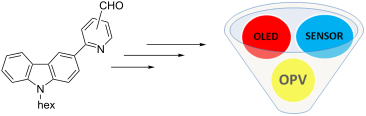
- . Carbazole (1) was first brominated with N-bromosuccinimide in dimethylformamide [32][33]. This gave a mixture of mono- and dibromo products 2 and 3. Upon crystallisation 3-bromocarbazole (2) was obtained as white crystals in good yield. 3-Bromocarbazole (2) was then alkylated with 1-bromohexane in 50
- instrument. 3-Bromocarbazole (2): 2 was synthesised as reported previously [32][33]. A solution of N-bromosuccinimide (1.1 g, 5.98 mmol) in dimethylformamide was added dropwise to a solution of carbazole (1, 1 g, 5.96 mmol) in dimethylformamide (15 mL) at 0 °C. The reaction mixture was then stirred at room

Graphical Abstract

Scheme 1: Synthesis of compounds 7a and 7b from carbazole 1. i) NBS, DMF, 0 °C to rt, 24 h. ii) n-hexyl bromi...

Figure 1: TGA (a) and DSC (b) curve of the compounds 7a and 7b.

Figure 2: Cyclic voltammograms of compounds 7a and 7b in dichloromethane under argon atmosphere at room tempe...

Figure 3: Energy levels of compounds 7a and 7b.

Figure 4: Normalised UV–vis and PL spectra of compounds 7a and 7b in dichloromethane.

Figure 5: Normalised UV–vis spectra of compounds 7a and 7b in different solvents.

Figure 6: PL spectra of compounds 7a and 7b in different solvents (A–H).
Towards triptycene functionalization and triptycene-linked porphyrin arrays
- Gemma M. Locke,
- Keith J. Flanagan and
- Mathias O. Senge
Beilstein J. Org. Chem. 2020, 16, 763–777, doi:10.3762/bjoc.16.70
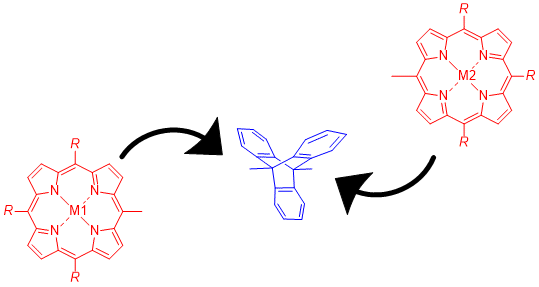
- dissolved in CHCl3 (150 mL) and degassed for 30 minutes. At 0 °C, N-bromosuccinimide (34 mg, 0.19 mmol) and pyridine (0.1 mL) were added. The reaction was stirred at room temperature for three hours. The progress of the reaction was monitored by TLC and once all starting material had been consumed the

Graphical Abstract
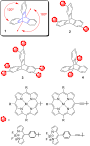
Figure 1: Triptycene as a scaffold and selected porphyrin and BODIPY arrays.

Scheme 1: Sonogashira cross-coupling reactions to form symmetric porphyrin and BODIPY triptycene-linked dyads....

Scheme 2: Sonogashira cross-coupling reactions to form a triptycene-substituted porphyrin monomer and an unsy...

Scheme 3: Synthesis of the triptycene-porphyrin-triptycene complex 18.

Figure 2: Single crystal X-ray structure of triptycene 5. (a) Molecular structure of 5 in the crystal with hy...
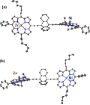
Figure 3: Single crystal X-ray structure of triptycene-linked zinc-nickel porphyrin dimer 16 showing the conf...

Figure 4: Views of the single crystal X-ray structure of triptycene-linked zinc-nickel porphyrin dimer 16 sho...

Figure 5: Expanded structure view of the triptycene-linked zinc-nickel porphyrin dimer 16 showing the repeati...

Figure 6: UV–vis of symmetric and unsymmetric triptycene porphyrin dimers 9 and 16, and the triptycene porphy...

Figure 7: Emission spectrum of symmetric and unsymmetric triptycene-linked porphyrin dimers 9 and 16, and a t...

Figure 8: Compounds used for spectroscopic comparisons.

Figure 9: UV–vis spectra of various porphyrin/BODIPY dimers with different linker groups in CHCl3.

Figure 10: Fluorescence emission spectrum of various porphyrin/BODIPY dimers with different linker groups in C...
Synthesis of organic liquid crystals containing selectively fluorinated cyclopropanes
- Zeguo Fang,
- Nawaf Al-Maharik,
- Peer Kirsch,
- Matthias Bremer,
- Alexandra M. Z. Slawin and
- David O’Hagan
Beilstein J. Org. Chem. 2020, 16, 674–680, doi:10.3762/bjoc.16.65
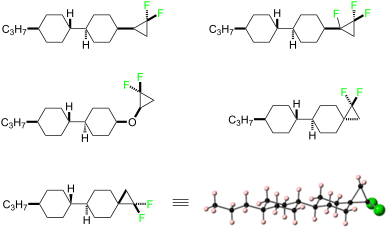
- . The synthesis of trifluorocyclopropane 9 is shown in Scheme 2. Compound 9 was prepared through bromofluorination of 12, followed by base-induced HBr elimination [15], and then difluorocarbene addition to generate 9. The starting olefin 12 was exposed to an excess of N-bromosuccinimide (NBS) and HF·Py

Graphical Abstract

Figure 1: Examples of liquid crystal candidates with negative values for dielectric anisotropy (Δε) [6-10].

Figure 2: Synthetic candidate LC targets 8–11.

Scheme 1: Synthesis of 8. Reagents and conditions: a) TMSCF3, NaI, THF, reflux, 55% [13,14].

Scheme 2: Synthesis of 9. Reagents and conditions: a) NBS, HF·Py, DCM; b) t-BuOK, DCM, 42% in two steps [15]; c) ...

Scheme 3: Synthesis of compound 10. Reagents and conditions: a) NaBH4, MeOH, rt, 45%; b) C4H9OCH=CH2, Pd(TFA)2...

Scheme 4: Synthesis of compounds 11. Reagents and conditions: a) PPh3CH3Br, t-BuOK, diethyl ether, 0 °C to rt...

Figure 3: Theory study exploring the relative energies for different conformers of 11a.
Synthesis and characterization of bis(4-amino-2-bromo-6-methoxy)azobenzene derivatives
- David Martínez-López,
- Amirhossein Babalhavaeji,
- Diego Sampedro and
- G. Andrew Woolley
Beilstein J. Org. Chem. 2019, 15, 3000–3008, doi:10.3762/bjoc.15.296
- -morpholinophenyl)diazene (4): (E)-1,2-Bis(2-methoxy-4-morpholinophenyl)diazene (9, 30 mg, 0.07 mmol) was dissolved in DCM. To this solution, palladium acetate (1.6 mg, 0.007 mmol) was added, and the resulting mixture was stirred for 15 minutes. Then, N-bromosuccinimide (28.6 mg, 0.16 mmol) was added to the
- was stirred for 15 minutes. Then, N-bromosuccinimide (22 mg, 0.1 mmol) was added to the reaction. The reaction mixture was stirred for additional 30 minutes until completion. The solvent was evaporated under reduced pressure and the resulting oil was purified by column chromatography using hexane

Graphical Abstract

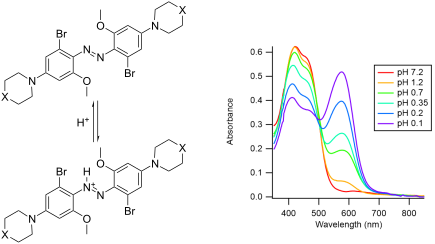
Figure 1: Structures of azonium ions studied.

Figure 2: a) Structures of model compounds used for computations (see Experimental section; in calculations, ...

Scheme 1: Synthesis of bis(4-amino-2-bromo-6-methoxy)azobenzene compounds.

Figure 3: a) UV–vis spectra of 4 in DCM (ca. 15 µM) at the PSS and 440 nm irradiation (thick dotted line; ca....

Figure 4: a) UV–vis spectra of 5 in aqueous solution (c ≈ 15 µM, 5% methanol, pH 7) at the PSS and 440 nm irr...
Construction of trisubstituted chromone skeletons carrying electron-withdrawing groups via PhIO-mediated dehydrogenation and its application to the synthesis of frutinone A
- Qiao Li,
- Chen Zhuang,
- Donghua Wang,
- Wei Zhang,
- Rongxuan Jia,
- Fengxia Sun,
- Yilin Zhang and
- Yunfei Du
Beilstein J. Org. Chem. 2019, 15, 2958–2965, doi:10.3762/bjoc.15.291
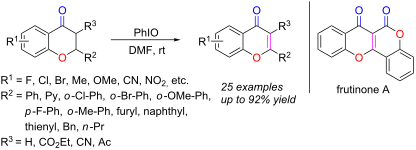
- also be realized by DDQ-mediated dehydrogenation of chromanones under heating in dioxane (Scheme 1b) [3][59][60]. In 2005, Yang and co-workers reported that chromones could be formed by microwave irradiation of the corresponding chromanone reactants and N-bromosuccinimide (NBS) in the presence of a

Graphical Abstract
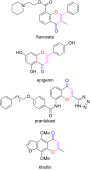
Figure 1: Biologically active chromone derivatives.
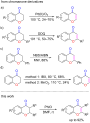
Scheme 1: Methods for the synthesis of chromones via dehydrogenative oxidation of chromanones.
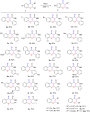
Scheme 2: Substrate scope studies. Reaction conditions: 1 (1.0 mmol), PhIO (2.0 mmol), DMF (6 mL), rt. Isolat...

Scheme 3: Control experiments for mechanistic studies.

Scheme 4: Proposed reaction mechanism.

Scheme 5: Application of the reported method to the synthesis of frutinone A.
An improved, scalable synthesis of Notum inhibitor LP-922056 using 1-chloro-1,2-benziodoxol-3-one as a superior electrophilic chlorinating agent
- Nicky J. Willis,
- Elliott D. Bayle,
- George Papageorgiou,
- David Steadman,
- Benjamin N. Atkinson,
- William Mahy and
- Paul V. Fish
Beilstein J. Org. Chem. 2019, 15, 2790–2797, doi:10.3762/bjoc.15.271
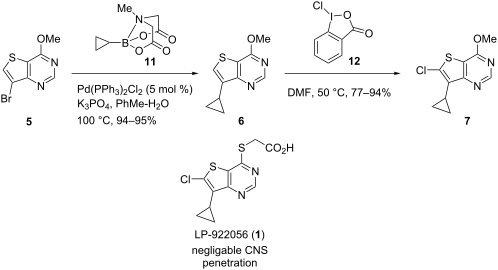
- functionalised for the introduction of the C7-cyclopropyl group, the C6-chlorine atom and elaboration of the thioacetic acid moiety at C4. Electrophilic bromination at C7 with N-bromosuccinimide gave 5 as the major regioisomer reproducibly on 100 mmol scale in modest yield (41–48%). This proved to be the least
- . Yields are the ranges obtained from repeated reactions. DMF, N,N-dimethylformamide; NBS, N-bromosuccinimide; THF, tetrahydrofuran. Chlorination of 6 with N-chlorosuccinimide (NCS). Reagents and conditions: (a) NCS (1.2 equiv), AcOH, 55 °C, 7 h, 15–32%. Improved synthesis of 5. Reagents and conditions: (a

Graphical Abstract

Figure 1: Chemical structure of Notum inhibitor LP-922056 (1).
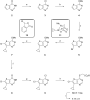
Scheme 1: Synthesis of LP-922056 (1). Reagents and conditionsa: (a) (COCl)2 (3.3 equiv), DMF, CH2Cl2, 55 °C ,...

Scheme 2: Chlorination of 6 with N-chlorosuccinimide (NCS). Reagents and conditions: (a) NCS (1.2 equiv), AcO...

Scheme 3: Improved synthesis of 5. Reagents and conditions: (a) NaOMe (5 equiv), 1,4-dioxane, 0 °C then rt, 1...

Figure 2: Concentrations of 1 in mouse following oral administration (p.o.) at 10 mg/kg.

Scheme 4: Preparation of amides 17. Representative reagents and conditionsa: (a) HBTU (1.1 equiv), iPr2NEt (2...
Mono- and bithiophene-substituted diarylethene photoswitches with emissive open or closed forms
- A. Lennart Schleper,
- Mariano L. Bossi,
- Vladimir N. Belov and
- Stefan W. Hell
Beilstein J. Org. Chem. 2019, 15, 2344–2354, doi:10.3762/bjoc.15.227
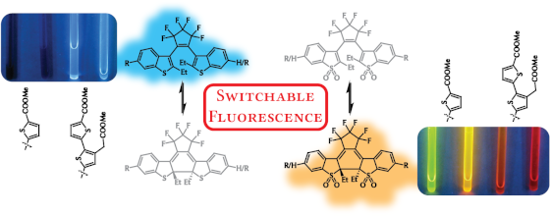
- esters 9 and 12 (bpy – 4,4’-di-tert-butyl-2,2’-dipyridine; COD – cycloocta-1,5-diene; NBS – N-bromosuccinimide, DCM – dichloromethane). Photoswitchable diarylethenes AsTh1, SyTh1, AsTh2, SyTh2, AsOTh1, SyOTh1, AsOTh2, and SyOTh2 synthesized via a Suzuki–Miyaura coupling. Conditions: 60 °C, argon

Graphical Abstract

Figure 1: Structures of “thiophenylated” DAEs prepared and studied in this work.

Scheme 1: Synthesis routes towards mono- and diiodinated core structures 4, 5, 7, and 8.

Scheme 2: Synthesis of thiophene- and bithiopheneboronic esters 9 and 12 (bpy – 4,4’-di-tert-butyl-2,2’-dipyr...

Scheme 3: Photoswitchable diarylethenes AsTh1, SyTh1, AsTh2, SyTh2, AsOTh1, SyOTh1, AsOTh2, and SyOTh2 synthe...

Scheme 4: Saponification of methyl ester groups in tetraester SyTh2 leading to tetracarboxylic acid SyTh2-H.

Figure 2: Absorption (A) and emission (B) spectra of SyTh2 in acetonitrile in the course of the cyclization r...

Figure 3: Absorption spectra of the OFs (A) and CFs (B) of AsTh1 (a), SyTh1 (b), AsTh2 (c), SyTh2 (d), AsOTh1...

Figure 4: Solutions of compounds AsTh1 (a), SyTh1 (b), AsTh2 (c), SyTh2 (d), AsOTh1 (e), SyOTh1 (f), AsOTh2 (...

Figure 5: Fatigue resistances of compounds SyOTh1 (A and B) and SyTh1 (C). Parts A and C show the absorbance ...

Figure 6: (A) Absorption spectra of compound SyOTh1 in MeCN at the photostationary states under irradiation w...
Synthesis, enantioseparation and photophysical properties of planar-chiral pillar[5]arene derivatives bearing fluorophore fragments
- Guojuan Li,
- Chunying Fan,
- Guo Cheng,
- Wanhua Wu and
- Cheng Yang
Beilstein J. Org. Chem. 2019, 15, 1601–1611, doi:10.3762/bjoc.15.164
- %; ii) N-bromosuccinimide, chloroform, 60 °C, yield: 87%; iii) (4-hydroxyphenyl)boronic acid, Pd(PPh3)4, K2CO3, CsF, toluene/THF/H2O, reflux, 8 h, yield: 70%; iv) K2CO3, 1,5-dibromopentane, acetone, 80 °C, yield: 67%; v) NaN3, DMF, yield: 84%; vi) paraformaldehyde, BF3·OEt2, 1,2-dichloroethane, yield

Graphical Abstract
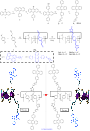
Scheme 1: Preparation of A1/A2-difunctionalized pillar[5]arenes (P5A-DPA and P5A-Py) by click reactions. Reag...

Figure 1: UV–vis absorption (a) and fluorescence emission spectra (b) of Py-6, P5A-Py (λex = 420 nm) and DPA-6...

Figure 2: (a) Fluorescence decay curves of Py-6 and P5A-Py at 450 nm and (b) fluorescence decay curves of DPA...

Figure 3: (a) Chiral HPLC traces of P5A-DPA, (b), (c) the first and second fractions of P5A-DPA, detected by ...

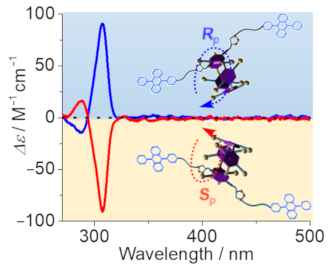
Figure 4: (a) CD, (b) UV–vis and (c) fluorescence spectra of the RP5A-DPA (20 μM) in THF and THF/H2O solvent ...
Oxidative radical ring-opening/cyclization of cyclopropane derivatives
- Yu Liu,
- Qiao-Lin Wang,
- Zan Chen,
- Cong-Shan Zhou,
- Bi-Quan Xiong,
- Pan-Liang Zhang,
- Chang-An Yang and
- Quan Zhou
Beilstein J. Org. Chem. 2019, 15, 256–278, doi:10.3762/bjoc.15.23
- different amount of NBS (N-bromosuccinimide). The corresponding CF3-substituted naphthalene 32 could be obtained in 69% yield when the product 31a was oxidized by 3 equiv of NBS (Scheme 9, reaction a). When the amount of NBS was increased to 6 equiv under identical conditions, the CF3-substituted

Graphical Abstract

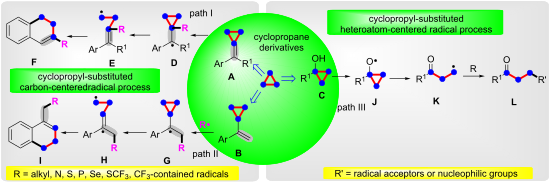
Scheme 1: The oxidative radical ring-opening/cyclization of cyclopropane derivatives.

Scheme 2: Mn(OAc)3-mediated oxidative radical ring-opening and cyclization of MCPs with malonates.

Scheme 3: Mn(III)-mediated oxidative radical ring-opening and cyclization of MCPs with 1,3-dicarbonyl compoun...

Scheme 4: Heat-promoted ring-opening/cyclization of MCPs with elemental chalgogens.

Scheme 5: Copper(II) acetate-mediated oxidative radical ring-opening and cyclization of MCPs with diphenyl di...

Scheme 6: AIBN-promoted oxidative radical ring-opening and cyclization of MCPs with benzenethiol.

Scheme 7: AIBN-mediated oxidative radical ring-opening and cyclization of MCPs with diethyl phosphites.

Scheme 8: Organic-selenium induced radical ring-opening and cyclization of MCPs derivatives (cyclopropylaldeh...
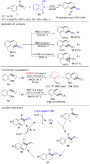
Scheme 9: Copper(I)-catalyzed oxidative radical trifluoromethylation/ring-opening/cyclization of MCPs with To...

Scheme 10: Ag(I)-mediated trifluoromethylthiolation/ring-opening/cyclization of MCPs with AgSCF3.

Scheme 11: oxidative radical ring-opening and cyclization of MCPs with α-C(sp3)-–H of ethers.

Scheme 12: Oxidative radical ring-opening and cyclization of MCPs with aldehydes.
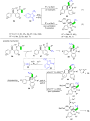
Scheme 13: Cu(I) or Fe(II)-catalyzed oxidative radical trifluoromethylation/ring-opening/cyclization of MCPs d...

Scheme 14: Rh(II)-catalyzed oxidative radical ring-opening and cyclization of MCPs.

Scheme 15: Ag(I)-catalyzed oxidative radical amination/ring-opening/cyclization of MCPs derivatives.

Scheme 16: Heating-promoted radical ring-opening and cyclization of MCP derivatives (arylvinylidenecyclopropan...

Scheme 17: Bromine radical-mediated ring-opening of alkylidenecyclopropanes.

Scheme 18: Fluoroalkyl (Rf) radical-mediated ring-opening of MCPs.

Scheme 19: Visible-light-induced alkylation/ring-opening/cyclization of cyclopropyl olefins with bromides.

Scheme 20: Mn(III)-mediated ring-opening and [3 + 3]-annulation of cyclopropanols and vinyl azides.

Scheme 21: Ag(I)-catalyzed oxidative ring-opening of cyclopropanols with quinones.

Scheme 22: Ag(I)-catalyzed oxidative ring-opening of cyclopropanols with heteroarenes.

Scheme 23: Cu(I)-catalyzed oxidative ring-opening/trifluoromethylation of cyclopropanols.

Scheme 24: Cu(I)-catalyzed oxidative ring-opening and trifluoromethylation/trifluoromethylthiolation of cyclop...

Scheme 25: Ag(I)-mediated oxidative ring-opening/fluorination of cyclopropanols with Selectfluor.

Scheme 26: Photocatalyzed ring-opening/fluorination of cyclopropanols with Selectfluor.

Scheme 27: Na2S2O8-promoted ring-opening/alkynylation of cyclopropanols with EBX.
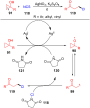
Scheme 28: Ag(I)-catalyzed ring-opening and chlorination of cyclopropanols with aldehydes.

Scheme 29: Ag(I)-catalyzed ring-opening/alkynylation of cyclopropanols with EBX.

Scheme 30: Na2S2O8-promoted ring-opening/alkylation of cyclopropanols with acrylamides.

Scheme 31: Cyclopropanol ring-opening initiated tandem cyclization with acrylamides or 2-isocyanobiphenyls.

Scheme 32: Ag(II)-mediated oxidative ring-opening/fluorination of cyclopropanols with AgF2.

Scheme 33: Cu(II)-catalyzed ring-opening/fluoromethylation of cyclopropanols with sulfinate salts.

Scheme 34: Cu(II)-catalyzed ring-opening/sulfonylation of cyclopropanols with sulfinate salts.

Scheme 35: Na2S2O8-promoted ring-opening/arylation of cyclopropanols with propiolamides.

Scheme 36: The ring-opening and [3 + 2]-annulation of cyclopropanols with α,β-unsaturated aldehydes.

Scheme 37: Cu(II)-catalyzed ring-opening/arylation of cyclopropanols with aromatic nitrogen heterocyles.

Scheme 38: Ag(I)-catalyzed ring-opening and difluoromethylthiolation of cyclopropanols with PhSO2SCF2H.

Scheme 39: Ag(I)-catalyzed ring-opening and acylation of cyclopropanols with aldehydes.

Scheme 40: Aerobic oxidation ring-opening of cyclopropanols for the synthesis of 2-oxyranyl ketones.

Scheme 41: Aerobic oxidation ring-opening of cyclopropanols for the synthesis of linear enones.

Scheme 42: Aerobic oxidation ring-opening of cyclopropanols for the synthesis of metabolite.
Enhanced single-isomer separation and pseudoenantiomer resolution of new primary rim heterobifunctionalized α-cyclodextrin derivatives
- Iveta Tichá,
- Gábor Benkovics,
- Milo Malanga and
- Jindřich Jindřich
Beilstein J. Org. Chem. 2018, 14, 2829–2837, doi:10.3762/bjoc.14.261
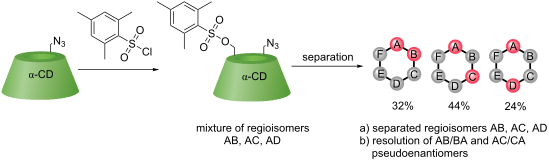
- ). On one hand, a direct bromination of α-CD was performed under Vilsmeier/Haack conditions (reaction 3, Scheme 2) with N-bromosuccinimide (NBS) and Ph3P in N,N-dimethylformamide (DMF). Previous studies have shown that this reaction is highly regioselective for the primary rim of CD [28]. After a fast

Graphical Abstract

Figure 1: Schematic representation of native α-CD (1) and top view of its primary rim with alphabetic clockwi...

Scheme 1: Synthesis of 6A,6X-diazido-α-CD derivatives 4 via 6A,6X-capped α-CDs 2 and 3 and their regioisomeri...

Scheme 2: Synthesis of 6A,6X- and 6A,6D-diazido-α-CDs via 6A,6X-dibromo-α-CD 5, 6A,6D-dibromo-α-CD 5d interme...

Scheme 3: Synthesis of 6A,6X-diazido-α-CDs via 6A,6X-ditosyl-α-CD intermediates 6 and their regioisomeric rat...

Figure 2: HPLC chromatograms of 6A,6X-diazido-α-CDs 4 of the reactions 1–5, with ACN/water gradient elution a...

Scheme 4: Synthesis of 6A-azido-6X-mesitylenesulfonyl-α-CD 8 and conversion into 6A,6X-diazido-α-CD 4.

Figure 3: HPLC chromatograms of reaction 7 with separated 6A-azido-α-CD 7 as starting material and regioisome...

Figure 4: HPLC chromatograms of 6A-azido-6X-mesitylenesulfonyl-α-CD 8 (reaction 6): a) analytical and b) prep...

Figure 5: 1H NMR spectrum of the AC regioisomer 8c as a mixture of pseudoenantiomers prepared through reactio...

Figure 6: 13C NMR spectrum of the AC regioisomer 8c as a mixture of pseudoenantiomers prepared through reacti...

Figure 7: HPLC–MS chromatogram with the separated pseudoenantiomers of 6A-azido-6B-mesitylenesulfonyl-α-CD 8b...
A pyridinium/anilinium [2]catenane that operates as an acid–base driven optical switch
- Sarah J. Vella and
- Stephen J. Loeb
Beilstein J. Org. Chem. 2018, 14, 1908–1916, doi:10.3762/bjoc.14.165
- molecular switching previously observed for analogous [2]rotaxanes. Experimental General comments 4-Bromobenzyl bromide, 4-bromoaniline, 4-pyridylboronic acid, 1,3-dichlorobenzene, p-tolylmagnesium bromide, n-butyllithium and N-bromosuccinimide were purchased from Aldrich and used as received. Benzoyl

Graphical Abstract

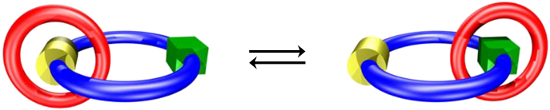
Figure 1: Two [2]rotaxane molecular shuttles with both bis(pyridinium)ethane and benzylanilinium recognition ...
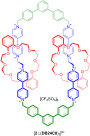
Figure 2: A [3]catenane containing two identical bis(pyridinium)ethane recognition sites on a large macrocycl...
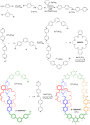
Scheme 1:
Step-wise synthesis of [2]catenane [8![[Graphic 3]](/bjoc/content/inline/1860-5397-14-165-i4.svg?max-width=637&scale=0.827274) DB24C8]6+ containing benzylanilinium and bis(pyridinium)ethane...
DB24C8]6+ containing benzylanilinium and bis(pyridinium)ethane...

Figure 3:
1H NMR spectrum of [2]catenane [8DB24C8]6+ (500 MHz, 298 K, CD2Cl2) showing the assigned proton che...
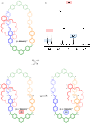
Figure 4:
a) The [2]catenane [8DB24C8]6+ can be protonated to yield [8-HDB24C8]7+ in two different co-conform...

Figure 5:
UV–visible spectra of [8DB24C8]6+ (orange trace) and [8-HDB24C8]7+ (black trace) in CH3CN solution ...
β-Hydroxy sulfides and their syntheses
- Mokgethwa B. Marakalala,
- Edwin M. Mmutlane and
- Henok H. Kinfe
Beilstein J. Org. Chem. 2018, 14, 1668–1692, doi:10.3762/bjoc.14.143
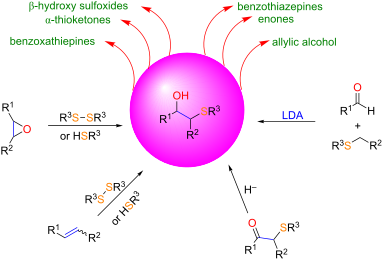
- . In addition to its environmental benignity and ease of handling, the ionic liquid was reported to be reusable without any loss of activity after five runs. Another efficient catalyst for the synthesis of β-hydroxy sulfides is N-bromosuccinimide (NBS), as reported by Rostami and Jafari [28]. Various
- conditions. N-Bromosuccinimide-catalyzed ring opening of epoxides. LiNTf2-mediated epoxide opening by thiophenol. Asymmetric ring-opening of cyclohexene oxide with various thiols catalyzed by zinc L-tartrate. Catalytic asymmetric ring opening of symmetrical epoxides with t-BuSH catalyzed by (R)-GaLB (43

Graphical Abstract

Figure 1: Some sulfur-containing natural products.

Figure 2: Some natural products incorporating β-hydroxy sulfide moieties.

Figure 3: Some synthetic β-hydroxy sulfides of clinical value.

Scheme 1: Alumina-mediated synthesis of β-hydroxy sulfides, ethers, amines and selenides from epoxides.

Scheme 2: β-Hydroxy sulfide syntheses by ring opening of epoxides under different Lewis and Brønsted acid and...

Scheme 3: n-Bu3P-catalyzed thiolysis of epoxides and aziridines to provide the corresponding β-hydroxy and β-...

Scheme 4: Zinc(II) chloride-mediated thiolysis of epoxides.

Scheme 5: Thiolysis of epoxides and one-pot oxidation to β-hydroxy sulfoxides under microwave irradiation.

Scheme 6: Gallium triflate-catalyzed ring opening of epoxides and one-pot oxidation.

Scheme 7: Thiolysis of epoxides and one-pot oxidation to β-hydroxy sulfoxides using Ga(OTf)3 as a catalyst.

Scheme 8: Ring opening of epoxide using ionic liquids under solvent-free conditions.

Scheme 9: N-Bromosuccinimide-catalyzed ring opening of epoxides.

Scheme 10: LiNTf2-mediated epoxide opening by thiophenol.

Scheme 11: Asymmetric ring-opening of cyclohexene oxide with various thiols catalyzed by zinc L-tartrate.

Scheme 12: Catalytic asymmetric ring opening of symmetrical epoxides with t-BuSH catalyzed by (R)-GaLB (43) wi...

Scheme 13: Asymmetric ring opening of meso-epoxides by p-xylenedithiol catalyzed by a (S,S)-(salen)Cr complex.

Scheme 14: Desymmetrization of meso-epoxide with thiophenol derivatives.

Scheme 15: Enantioselective ring-opening reaction of meso-epoxides with ArSH catalyzed by a C2-symmetric chira...

Scheme 16: Enantioselective ring-opening reaction of stilbene oxides with ArSH catalyzed by a C2-symmetric chi...

Scheme 17: Asymmetric desymmetrization of meso-epoxides using BINOL-based Brønsted acid catalysts.

Scheme 18: Lithium-BINOL-phosphate-catalyzed desymmetrization of meso-epoxides with aromatic thiols.

Scheme 19: Ring-opening reactions of cyclohexene oxide with thiols by using CPs 1-Eu and 2-Tb.

Scheme 20: CBS-oxazaborolidine-catalyzed borane reduction of β-keto sulfides.

Scheme 21: Preparation of β-hydroxy sulfides via connectivity.

Scheme 22: Baker’s yeast-catalyzed reduction of sulfenylated β-ketoesters.

Scheme 23: Sodium-mediated ring opening of epoxides.

Scheme 24: Disulfide bond cleavage-epoxide opening assisted by tetrathiomolybdate.

Scheme 25: Proposed reaction mechanism of disulfide bond cleavage-epoxide opening assisted by tetrathiomolybda...

Scheme 26: Cyclodextrin-catalyzed difunctionalization of alkenes.

Scheme 27: Zinc-catalyzed synthesis of β-hydroxy sulfides from disulfides and alkenes.

Scheme 28: tert-Butyl hydroperoxide-catalyzed hydroxysulfurization of alkenes.

Scheme 29: Proposed mechanism of the radical hydroxysulfurization.

Scheme 30: Rongalite-mediated synthesis of β-hydroxy sulfides from styrenes and disulfides.

Scheme 31: Proposed mechanism of Rongalite-mediated synthesis of β-hydroxy sulfides from styrenes and disulfid...

Scheme 32: Copper(II)-catalyzed synthesis of β-hydroxy sulfides 15e,f from alkenes and basic disulfides.

Scheme 33: CuI-catalyzed acetoxysulfenylation of alkenes.

Scheme 34: CuI-catalyzed acetoxysulfenylation reaction mechanism.

Scheme 35: One-pot oxidative 1,2-acetoxysulfenylation of Baylis–Hillman products.

Scheme 36: Proposed mechanism for the oxidative 1,2-acetoxysulfination of Baylis–Hillman products.

Scheme 37: 1,2-Acetoxysulfenylation of alkenes using DIB/KI.

Scheme 38: Proposed reaction mechanism of the diacetoxyiodobenzene (DIB) and KI-mediated 1,2-acetoxysulfenylat...

Scheme 39: Catalytic asymmetric thiofunctionalization of unactivated alkenes.

Scheme 40: Proposed catalytic cycle for asymmetric sulfenofunctionalization.

Scheme 41: Synthesis of thiosugars using intramolecular thiol-ene reaction.

Scheme 42: Synthesis of leukotriene C-1 by Corey et al.: (a) N-(trifluoroacetyl)glutathione dimethyl ester (3 ...

Scheme 43: Synthesis of pteriatoxins with epoxide thiolysis to attain β-hydroxy sulfides. Reagents: (a) (1) K2...

Scheme 44: Synthesis of peptides containing a β-hydroxy sulfide moiety.

Scheme 45: Synthesis of diltiazem (12) using biocatalytic resolution of an epoxide followed by thiolysis.
One hundred years of benzotropone chemistry
- Arif Dastan,
- Haydar Kilic and
- Nurullah Saracoglu
Beilstein J. Org. Chem. 2018, 14, 1120–1180, doi:10.3762/bjoc.14.98
- dehydrogenation using N-bromosuccinimide, and its properties were compared with those of benzotropolone 241A (Scheme 50) [178]. The benzotropolone 174 could also be prepared from diester 301 in a similar way (Scheme 50) [179]. The simultaneous hydrolysis and decarboxylation of benzotropolone-diester 304 to 174

Graphical Abstract

Scheme 1: Tropone (1), tropolone (2) and their resonance structures.

Figure 1: Natural products containing a tropone nucleus.

Figure 2: Possible isomers 11–13 of benzotropone.

Scheme 2: Synthesis of benzotropones 11 and 12.

Scheme 3: Oxidation products of benzotropylium fluoroborate (16).

Scheme 4: Oxidation of 7-bromo-5H-benzo[7]annulene (22).

Scheme 5: Synthesis of 4,5-benzotropone (11) using o-phthalaldehyde (27).

Scheme 6: Synthesis of 4,5-benzotropone (11) starting from oxobenzonorbornadiene 31.

Scheme 7: Acid-catalyzed cleavage of oxo-bridge of 34.

Scheme 8: Synthesis of 4,5-benzotropone (11) from o-xylylene dibromide (38).

Scheme 9: Synthesis of 4,5-benzotropone (11) via the carbene adduct 41.

Scheme 10: Heck coupling strategy for the synthesis of 11.

Scheme 11: Synthesis of benzofulvalenes via carbonyl group of 4,5-benzotropone (11).

Figure 3: Some cycloheptatrienylium cations.

Scheme 12: Synthesis of condensation product 63 and its subsequent oxidative cyclization products.

Figure 4: A novel series of benzo[7]annulenes prepared from 4,5-benzotropone (11).

Scheme 13: Preparation of substituted benzo[7]annulene 72 using the Mukaiyama-Michael reaction.

Figure 5: Possible benzo[7]annulenylidenes 73–75.

Scheme 14: Thermal and photochemical decomposition of 7-diazo-7H-benzo[7]annulene (76) and the trapping of int...

Scheme 15: Synthesis of benzoheptafulvalene 86.

Scheme 16: Synthesis of 7-(diphenylmethylene)-7H-benzo[7]annulene (89).

Scheme 17: Reaction of 4,5-benzotropone (11) with dimethyl diazomethane.

Scheme 18: Synthesis of dihydrobenzomethoxyazocine 103.

Scheme 19: Synthesis and reducibility of benzo-homo-2-methoxyazocines.

Scheme 20: Synthesis of 4,5-benzohomotropones 104 and 115 from 4,5-benzotropones 11 and 113.

Scheme 21: A catalytic deuterogenation of 4,5-benzotropone (11) and synthesis of 5-monosubstituted benzo[7]ann...

Scheme 22: Synthesis of methyl benzo[7]annulenes 131 and 132.

Scheme 23: Ambident reactivity of halobenzo[7]annulenylium cations 133a/b.

Scheme 24: Preparation of benzo[7]annulenylidene–iron complexes 147.

Scheme 25: Synthesis of 1-ethynylbenzotropone (150) and the etheric compound 152 from 4,5-benzotropone (11) wi...

Scheme 26: Thermal decomposition of 4,5-benzotropone (11).

Scheme 27: Reaction of 4,5-benzotropone (11) with 1,2-ethanediol and 1,2-ethanedithiol.

Scheme 28: Conversions of 1-benzosuberone (162) to 2,3-benzotropone (12).

Scheme 29: Synthesis strategies for 2,3-bezotropone (12) using 1-benzosuberones.

Scheme 30: Oxidation-based synthesis of 2,3-benzotropone (12) via 1-benzosuberone (162).

Scheme 31: Synthesis of 2,3-benzotropone (12) from α-tetralone (171) via ring-expansion.

Scheme 32: Preparation of 2,3-benzotropone (12) by using of benzotropolone 174.

Figure 6: Benzoheptafulvenes as condensation products of 2,3-benzotropone (12).

Scheme 33: Conversion of 2,3-benzotropone (12) to tosylhydrazone salt 182 and gem-dichloride 187.

Figure 7: Benzohomoazocines 191–193 and benzoazocines 194–197.

Scheme 34: From 2,3-benzotropone (12) to carbonium ions 198–201.

Scheme 35: Cycloaddition reactions of 2,3-benzotropone (12).
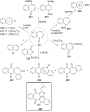
Scheme 36: Reaction of 2,3-benzotropone (12) with various reagents and compounds.

Figure 8: 3,4-Benzotropone (13) and its resonance structure.

Scheme 37: Synthesis of 6,7-benzobicyclo[3.2.0]hepta-3,6-dien-2-one (230).

Figure 9: Photolysis and thermolysis products of 230.

Figure 10: Benzotropolones and their tautomeric structures.

Scheme 38: Synthesis strategies of 4,5-benzotropolone (238).

Scheme 39: Synthesis protocol for 2-hydroxy-4,5-benzotropone (238) using oxazole-benzo[7]annulene 247.

Figure 11: Some quinoxaline and pyrazine derivatives 254–256 prepared from 4,5-benzotropolone (238).

Scheme 40: Nitration product of 4,5-benzotropolone (238) and its isomerization to 1-nitro-naphthoic acid (259)....

Scheme 41: Synthesis protocol for 6-hydroxy-2,3-benzotropone (239) from benzosuberone (162).
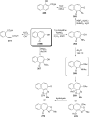
Scheme 42: Various reactions via 6-hydroxy-2,3-benzotropone (239).

Scheme 43: Photoreaction of 6-hydroxy-2,3-benzotropone (239).

Scheme 44: Synthesis of 7-hydroxy-2,3-benzotropone (241) from benzosuberone (162).

Scheme 45: Synthesis strategy for 7-hydroxy-2,3-benzotropone (241) from ketone 276.

Scheme 46: Synthesis of 7-hydroxy-2,3-benzotropone (241) from β-naphthoquinone (280).

Scheme 47: Synthesis of 7-hydroxy-2,3-benzotropone (241) from bicyclic endoperoxide 213.

Scheme 48: Synthesis of 7-hydroxy-2,3-benzotropone (241) by ring-closing metathesis.

Figure 12: Various monosubstitution products 289–291 of 7-hydroxy-2,3-benzotropone (241).

Scheme 49: Reaction of 7-hydroxy-2,3-benzotropone (241) with various reagents.

Scheme 50: Synthesis of 4-hydroxy-2,3-benzotropones 174 and 304 from diketones 300/301.

Scheme 51: Catalytic hydrogenation of diketones 300 and 174.

Scheme 52: Synthesis of halo-benzotropones from alkoxy-naphthalenes 306, 307 and 310.

Figure 13: Unexpected byproducts 313–315 during synthesis of chlorobenzotropone 309.

Figure 14: Some halobenzotropones and their cycloadducts.

Scheme 53: Multisep synthesis of 2-chlorobenzotropone 309.

Scheme 54: A multistep synthesis of 2-bromo-benzotropone 26.

Scheme 55: A multistep synthesis of bromo-2,3-benzotropones 311 and 316.

Scheme 56: Oxidation reactions of 8-bromo-5H-benzo[7]annulene (329) with some oxidants.

Scheme 57: Synthesis of 2-bromo-4,5-benzotropone (26).

Scheme 58: Synthesis of 6-chloro-2,3-benzotropone (335) using LiCl and proposed intermediate 336.

Scheme 59: Reaction of 7-bromo-2,3-benzotropone (316) with methylamine.

Scheme 60: Reactions of bromo-2,3-benzotropones 26 and 311 with dimethylamine.

Scheme 61: Reactions of bromobenzotropones 311 and 26 with NaOMe.

Scheme 62: Reactions of bromobenzotropones 26 and 312 with t-BuOK in the presence of DPIBF.

Scheme 63: Cobalt-catalyzed reductive cross-couplings of 7-bromo-2,3-benzotropone (316) with cyclic α-bromo en...

Figure 15: Cycloadduct 357 and its di-π-methane rearrangement product 358.

Scheme 64: Catalytic hydrogenation of 2-chloro-4,5-benzotropone (311).

Scheme 65: Synthesis of dibromo-benzotropones from benzotropones.

Scheme 66: Bromination/dehydrobromination of benzosuberone (162).

Scheme 67: Some transformations of isomeric dibromo-benzotropones 261A/B.

Scheme 68: Transformations of benzotropolone 239B to halobenzotropolones 369–371.

Figure 16: Bromobenzotropolones 372–376 and 290 prepared via bromination/dehydrobromination strategy.

Scheme 69: Synthesis of some halobenzotropolones 289, 377 and 378.

Figure 17: Bromo-chloro-derivatives 379–381 prepared via chlorination.

Scheme 70: Synthesis of 7-iodo-3,4-benzotropolone (382).

Scheme 71: Hydrogenation of bromobenzotropolones 369 and 370.

Scheme 72: Debromination reactions of mono- and dibromides 290 and 375.

Figure 18: Nitratation and oxidation products of some halobenzotropolenes.
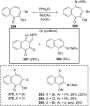
Scheme 73: Azo-coupling reactions of some halobenzotropolones 294, 375 and 378.

Figure 19: Four possible isomers of dibenzotropones 396–399.

Figure 20: Resonance structures of tribenzotropone (400).

Scheme 74: Two synthetic pathways for tribenzotropone (400).

Scheme 75: Synthesis of tribenzotropone (400) from dibenzotropone 399.

Scheme 76: Synthesis of tribenzotropone (400) from 9,10-phenanthraquinone (406).

Scheme 77: Synthesis of tribenzotropone (400) from trifluoromethyl-substituted arene 411.

Figure 21: Dibenzosuberone (414).

Figure 22: Reduction products 415 and 416 of tribenzotropone (400).

Figure 23: Structures of tribenzotropone dimethyl ketal 417 and 4-phenylfluorenone (412) and proposed intermed...

Figure 24: Structures of benzylidene- and methylene-9H-tribenzo[a,c,e][7]annulenes 419 and 420 and chiral phos...

Figure 25: Structures of tetracyclic alcohol 422, p-quinone methide 423 and cation 424.

Figure 26: Structures of host molecules 425–427.

Scheme 78: Synthesis of non-helical overcrowded derivatives syn/anti-431.

Figure 27: Hexabenzooctalene 432.

Figure 28: Structures of possible eight isomers 433–440 of naphthotropone.

Scheme 79: Synthesis of naphthotropone 437 starting from 1-phenylcycloheptene (441).

Scheme 80: Synthesis of 10-hydroxy-11H-cyclohepta[a]naphthalen-11-one (448) from diester 445.

Scheme 81: Synthesis of naphthotropone 433.

Scheme 82: Synthesis of naphthotropones 433 and 434 via cycloaddition reaction.

Scheme 83: Synthesis of naphthotropone 434 starting from 452.

Figure 29: Structures of tricarbonyl(tropone)irons 458, and possible cycloadducts 459.

Scheme 84: Synthesis of naphthotropone 436.

Scheme 85: Synthesis of precursor 465 for naphthotropone 435.

Scheme 86: Generation of naphthotropone 435 from 465.

Figure 30: Structures of tropylium cations 469 and 470.

Figure 31: Structures of tropylium ions 471+.BF4−, 472+.BF4−, and 473+.BF4−.

Scheme 87: Synthesis of tropylium ions 471+.BF4− and 479+.ClO4−.

Scheme 88: Synthesis of 1- and 2-methylanthracene (481 and 482) via carbene–carbene rearrangement.

Figure 32: Trapping products 488–490.

Scheme 89: Generation and chemistry of a naphthoannelated cycloheptatrienylidene-cycloheptatetraene intermedia...

Scheme 90: Proposed intermediates and reaction pathways for adduct 498.

Scheme 91: Exited-state intramolecular proton transfer of 505.

Figure 33: Benzoditropones 506 and 507.

Scheme 92: Synthesis of benzoditropone 506e.

Scheme 93: Synthetic approaches for dibenzotropone 507 via tropone (1).

Scheme 94: Formation mechanisms of benzoditropone 507 and 516 via 515.

Scheme 95: Synthesis of benzoditropones 525 and 526 from pyromellitic dianhydride (527).

Figure 34: Possible three benzocyclobutatropones 534–536.

Scheme 96: Synthesis of benzocyclobutatropones 534 and 539.

Scheme 97: Synthesis attempts for benzocyclobutatropone 545.

Scheme 98: Generation and trapping of symmetric benzocyclobutatropone 536.

Scheme 99: Synthesis of chloro-benzocyclobutatropone 552 and proposed mechanism of fluorenone derivatives.

Scheme 100: Synthesis of tropolone analogue 559.

Scheme 101: Synthesis of tropolones 561 and 562.

Figure 35: o/p-Tropoquinone rings (563 and 564) and benzotropoquinones (565–567).

Scheme 102: Synthesis of benzotropoquinone 566.

Scheme 103: Synthesis of benzotropoquinone 567 via a Diels–Alder reaction.

Figure 36: Products 575–577 through 1,2,3-benzotropoquinone hydrate 569.

Scheme 104: Structures 578–582 prepared from tropoquinone 567.

Figure 37: Two possible structures 583 and 584 for dibenzotropoquinone, and precursor compound 585 for 583.
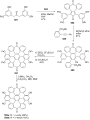
Scheme 105: Synthesis of saddle-shaped ketone 592 using dibenzotropoquinone 584.
Latest development in the synthesis of ursodeoxycholic acid (UDCA): a critical review
- Fabio Tonin and
- Isabel W. C. E. Arends
Beilstein J. Org. Chem. 2018, 14, 470–483, doi:10.3762/bjoc.14.33
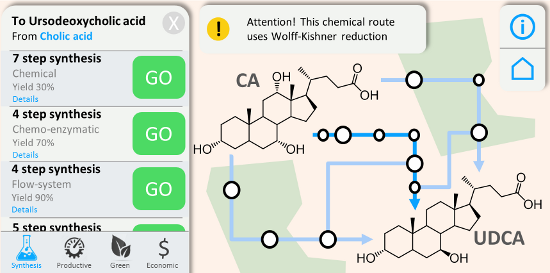
- of the 7-OH group. Chemically, the 7α-OH group of CDCA, obtained by dehydroxylation of CA (see above “C12 dehydroxylation”), is selectively oxidized in the presence of sodium bromate [59] (yield 88%), N-bromosuccinimide [13][15] (ungiven yield) or 1-hydroxy-1,2-benziodoxol-3(1H)-one 1-oxide [60

Graphical Abstract

Figure 1: Chemical structure of UDCA.

Figure 2: Chemical structures of bile acids and salts.

Figure 3: Comparison between Wolff–Kishner and Mozingo reduction. Notably the overall chemical reaction is th...
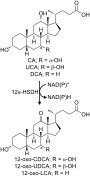
Figure 4: Reaction catalysed by the 12α-HSDH; the 12-OH group of CA or UCA is oxidized yielding 12-oxo-CDCA o...
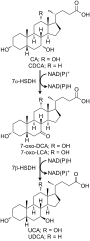
Figure 5: Epimerization reaction catalysed by the 7α-HSDH and 7β-HSDH; the 7α-OH group of CA (R = OH) or CDCA...

Figure 6: Overview of the chemoenzymatic process for the production of UDCA from CA: The oxidation, reduction...
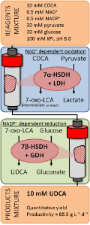
Figure 7: Schematic representation of the flow reactor for the continuous conversion of CDCA to UDCA [93].
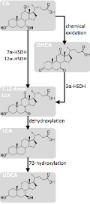
Figure 8: Chemoenzymatic pathways for the formation of UDCA from CA that profit by the C7 hydroxylation activ...
Palladium-catalyzed ortho-halogenations of acetanilides with N-halosuccinimides via direct sp2 C–H bond activation in ball mills
- Zi Liu,
- Hui Xu and
- Guan-Wu Wang
Beilstein J. Org. Chem. 2018, 14, 430–435, doi:10.3762/bjoc.14.31
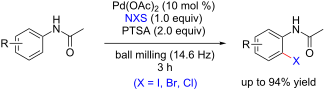
- (OTs)2 in the presence of TsOH. It was intriguing to find that N-bromosuccinimide (NBS) and N-chlorosuccinimide (NCS) could also be used as reaction partners to react with the representative acetanilide 1a under identical ball-milling conditions. The corresponding ortho-brominated and ortho-chlorinated
- ][24][25][26][27][28]. A few mechanochemical ortho-C–H bond activation reactions under the catalysis of rhodium and palladium salts have been reported [29][30][31][32][33][34][35][36][37][38]. Hernández and Bolm reported the rhodium-catalyzed bromination and iodination of 2-phenylpyridine using N
- -bromosuccinimide (NBS) and N-iodosuccinimide (NIS), respectively, as the halogen source [30]. However, the mechanochemical ortho-halogenation using the cheaper palladium catalysts has not been reported yet. In continuing our interest in mechanochemistry [21][22][39][40][41] and C–H activation reactions [42][43][44

Graphical Abstract

Scheme 1: The influence of the milling frequency on the reaction of 1a with NIS.

Scheme 2: Palladium-catalyzed ortho-iodination of 1a in toluene.

Scheme 3: Plausible mechanism.

Scheme 4: Palladium-catalyzed ortho-bromination and chlorination of 1a in a ball mill.
One-pot preparation of 4-aryl-3-bromocoumarins from 4-aryl-2-propynoic acids with diaryliodonium salts, TBAB, and Na2S2O8
- Teppei Sasaki,
- Katsuhiko Moriyama and
- Hideo Togo
Beilstein J. Org. Chem. 2018, 14, 345–353, doi:10.3762/bjoc.14.22
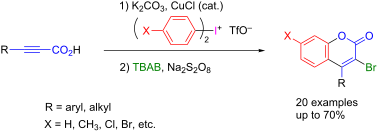
- -alkynoates with N-bromosuccinimide (NBS) at rt [34], where those reactions proceed via radical spiro-cyclization and then radical 1,2-carboxyl group migration, were reported. On the other hand, diaryliodonium salts are very useful for the C-arylation of active CH groups, the O-arylation of OH groups, and the
- 3Aa or 3Aa’, the halocyclization of 2Aa with N-bromosuccinimide (NBS, 2.0 equiv)/BF3·Et2O (1.1 equiv), with 1,3-diiodo-5,5-dimethylhydantoin (DIH, 2.0 equiv)/BF3·Et2O (1.1 equiv), and with 1,3-dibromo-5,5-dimethylhydantoin (DBH, 2.0 equiv)/BF3·Et2O (1.1 equiv) was carried out to form 3-bromo-4

Graphical Abstract
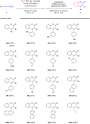
Scheme 1: One-pot preparation of 4-aryl-3-bromocoumarins 3 from 3-aryl-2-propynoic acids 1 with diphenyliodon...

Scheme 2: One-pot preparation of 3-bromo-4-phenylcoumarins 3a from 3-phenyl-2-propynoic acid (1a) with daryli...

Scheme 3: Derivatization of 3-bromo-4-phenylcoumarin.
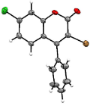
Figure 1: ORTEP of 3-bromo-7-chloro-4-phenylcoumarin (3Da).

Scheme 4: Possible reaction pathway.