
Search results
Search for "C–H" in Full Text gives 776 result(s) in Beilstein Journal of Organic Chemistry. Showing first 200.
Recent advances in total synthesis of illisimonin A
Beilstein J. Org. Chem. 2025, 21, 2571–2583, doi:10.3762/bjoc.21.199
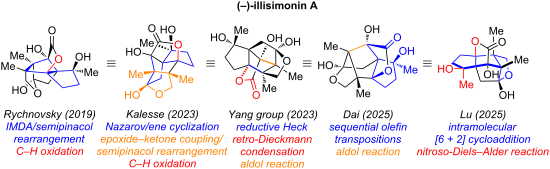
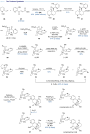
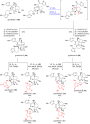
- rearrangement. Finally, a White–Chen C–H oxidation [33][34][35] was employed to install the lactone ring, thereby completing the synthesis. The synthesis began with commercially available compound 19 and known compound 20 (Scheme 2). These were joined via an intermolecular aldol reaction to give adduct 21
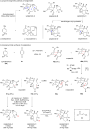
- −Chen C–H oxidation [33][34][35] of 30 installed the lactone, completing the synthesis of racemic illisimonin A (1). Noting that the C1 configuration of illisimonin A was opposite to that of other Illicium sesquiterpenes, Rychnovsky’s group sought to confirm the absolute configuration of the natural






Palladium-catalyzed regioselective C1-selective nitration of carbazoles
Beilstein J. Org. Chem. 2025, 21, 2479–2488, doi:10.3762/bjoc.21.190
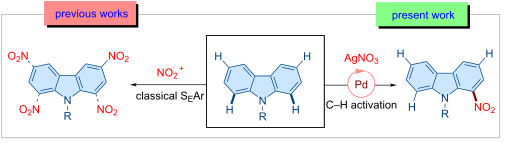
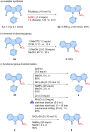
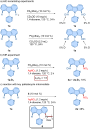
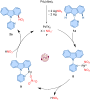
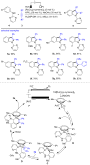
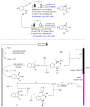
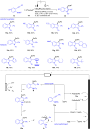
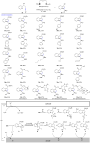
- valuable platform for the selective functionalization of carbazoles, offering potential applications in optoelectronics, functional organic materials, and related areas while contributing to the advancement of C–H activation methodologies. Keywords: C–H activation; carbazole; catalysis; nitration
- addition to cross-coupling reactions, transition metal-catalyzed cyclization involving C–H activation approaches have also been reported [29][30][31][32][33][34][35][36]. Despite the significant advances in carbazole core constructions, the established protocols significantly lack access to selectively C1
- -decorated carbazoles. Consequently, functionalizing carbazoles via transition metal-catalyzed directed C–H activation becomes more attractive to introduce the desired functionality in a regioselective fashion. The C–H activation strategy is elegant in many ways since it utilizes nonfunctionalized or lesser


Catalytic enantioselective synthesis of selenium-containing atropisomers via C–Se bond formations
Beilstein J. Org. Chem. 2025, 21, 2447–2455, doi:10.3762/bjoc.21.186
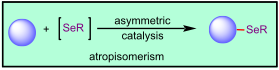
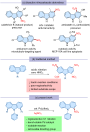
- synthetic approaches for constructing selenium-containing atropisomers have been reported, such as C–H selenylation of arenes, selenosulfonylation of vinylidene o-quinone methides (VQM), and hydroselenation of alkynes. Nevertheless, a comprehensive review that systematically summarizes these advances is
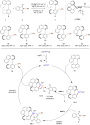
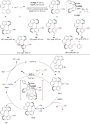
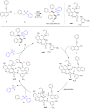
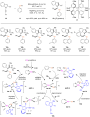
- axially chiral selenium-containing compounds by the formation of C–Se bonds is reviewed from three aspects. Review 1. Catalytic atroposelective synthesis of selenium-containing atropisomers by transition-metal-catalyzed C–H selenylation reactions Transition-metal-catalyzed enantioselective C–H activation
- has emerged as a powerful strategy for the rapid synthesis of functionally enriched axially chiral diaryl compounds. However, due to the potential strong coordination between organoselenium compounds and transition metals, the direct construction of C–Se bonds via metal-catalyzed C–H bond


Synthetic study toward vibralactone
Beilstein J. Org. Chem. 2025, 21, 2376–2382, doi:10.3762/bjoc.21.182

- vibralactone, a potent inhibitor of pancreatic lipase, is reported. The synthesis of the challenging all-carbon quaternary center within the cyclopentene ring was achieved through intramolecular alkylidene carbene C–H insertion. Keywords: alkylidene carbene; C–H insertion; total synthesis; vibralactone
- lactone 13 through allylic oxidation and cross metathesis. For the construction of the cyclopentene ring, an alkylidene carbene-mediated C–H insertion would be applied [35]. The synthetic route could be traced back to β-lactone 14, which contains two continuous stereogenic centers with trans configuration
- deprotection followed by C–H insertion. However, when attempting to remove the ketal protecting group, only decomposition of the starting material was observed. A plausible explanation for this outcome is that the β-lactone ring, located at the β-position of the methyl ketone, may undergo facile β-elimination


Comparative analysis of complanadine A total syntheses
Beilstein J. Org. Chem. 2025, 21, 2334–2344, doi:10.3762/bjoc.21.178
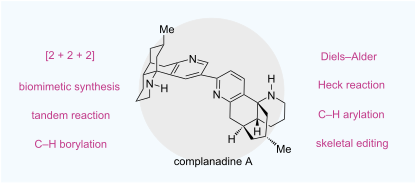
- strategies and creative tactics, reflecting how emerging synthetic capabilities and concepts can positively impact natural product total synthesis. Keywords: biomimetic synthesis; C–H functionalization; complanadine; lycopodium alkaloid; skeletal editing; total synthesis; transition metal catalysis
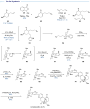
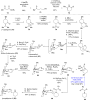
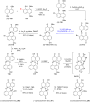
- reaction to rapidly establish the tetracyclic skeleton of complanadine A and an iridium-catalyzed site-selective pyridine C–H borylation followed by a Suzuki–Miyaura cross coupling to forge the C2–C3’ linkage. Their synthesis achieves a high degree of synergy between classic transformations and modern
- with an Ir-catalyzed regioselective C–H borylation developed simultaneously by Ishiyama, Miyaura, Hartwig, and co-workers and Smith and co-workers [26][27]. First, the triflate group of 33 was removed by a Pd-catalyzed reduction with ammonium formate as the reducing reagent. The resulting Boc-protected



Recent advances in Norrish–Yang cyclization and dicarbonyl photoredox reactions for natural product synthesis
Beilstein J. Org. Chem. 2025, 21, 2315–2333, doi:10.3762/bjoc.21.177
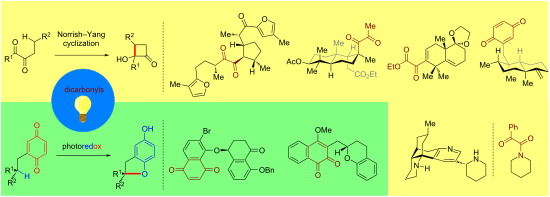
- -hydroxy-β-lactams or 2-hydroxycyclobutanones can function either as inherent structural motifs in target natural products or as strained reactive intermediates, facilitating C–H functionalization via four-membered ring opening [6][7][8][9][10][11]. Quinones display distinct photochemical reactivities
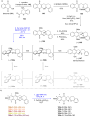
- proximal phenol, yielding the cyclization product H (Scheme 1b). Notably, the quinone is reduced, while the proximal C–H bond is subject to oxidation. Building on these mechanistic insights and the synthetic merits of dicarbonyls, Norrish–Yang cyclization and related photoredox reactions have been serving
- key late-stage step in this total synthesis, the Norrish–Yang photocyclization exhibits high chemoselectivity and efficiency. It regulates selectivity through C–H bond dissociation energy and restricted bond rotation, constructing a 6/6/4 fused ring system with three contiguous quaternary carbons







Enantioselective radical chemistry: a bright future ahead
Beilstein J. Org. Chem. 2025, 21, 2283–2296, doi:10.3762/bjoc.21.174
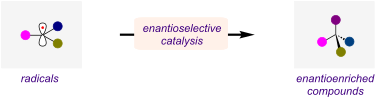
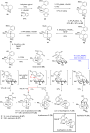
- as reductive elimination [62]. G. Liu and Stahl disclosed an elegant methodology to functionalize benzylic C–H bonds via copper catalysis [30]. Under the catalytic conditions, alkylarenes were converted to benzylic nitriles in good yields and excellent enantioselectivities. In the proposed mechanism
- enantioselectivities. A radical chaperone methodology is based on a multicatalytic system in which a chiral Cu(I) catalyst, Brønsted acid (camphoric acid) and Ir photocatalyst work synergistically. An asymmetric synthetic method based on radical C–H functionalization was reported by Nagib and co-workers for the
- aldolase, a photoredox catalyst, and an oxidizing agent. With this catalytic system, they were able to accomplish the C–H functionalization of glycine and α-branched amino acids, obtaining α-tri- and tetrasubstituted amino acids with moderate to good yields, good diastereoselectivity, and high


Pathway economy in cyclization of 1,n-enynes
Beilstein J. Org. Chem. 2025, 21, 2260–2282, doi:10.3762/bjoc.21.173
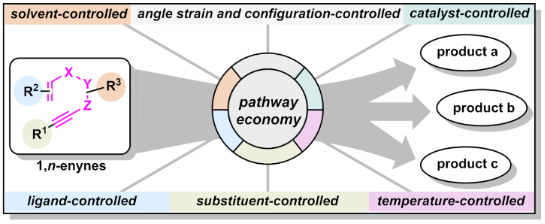
- distinct from those generated through thermal Diels–Alder cycloaddition of (Z)-100. However, when [ReCl(CO)5] was used as the catalyst, a regioselective C–H bond insertion pathway was observed for substrate (E)-100, leading to the formation of tricyclic products 104 and 105 (Scheme 21, path b). This
- pathway changed significantly. The (E)-benzofulvene product 110 was exclusively generated through palladium-catalyzed C–H activation followed by a 5-exo-dig cyclization (Scheme 22, path b). This study established a general method for the divergent syntheses of phenylnaphthalenes and benzofulvenes from


Electrochemical cyclization of alkynes to construct five-membered nitrogen-heterocyclic rings
Beilstein J. Org. Chem. 2025, 21, 2173–2201, doi:10.3762/bjoc.21.166
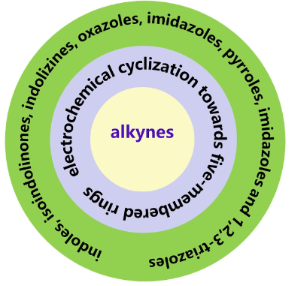
- -involved ureas, annulation of o-arylalkynylanilines, cyclization of 2-ethynylanilines, selenocyclization of diselenides with 2-ethynylanilines as well as C–H indolization of 2-alkynylanilines with 3-functionalized indoles. Isoindolones were synthesized successfully by electrochemical annulation of
- Sindhu in 2022 [98] and sustainable syntheses of heterocycles from alkyne annulations through C–H activations were reported by Ackermann in 2024 [111]. Although few examples about the electrochemical formation of five-membered rings from alkynes were included in the above reviews [106][111], a systemic
- reversible C–H activation to give the six-membered intermediate C. Substitution of the acetate ligand in C by 3 caused the generation of complex D. The six-membered ruthenacycle E was then obtained by migratory insertion of acetylene into the Ru–C bond. Finally, reductive elimination of E formed the target








The application of desymmetric enantioselective reduction of cyclic 1,3-dicarbonyl compounds in the total synthesis of terpenoid and alkaloid natural products
Beilstein J. Org. Chem. 2025, 21, 2085–2102, doi:10.3762/bjoc.21.164
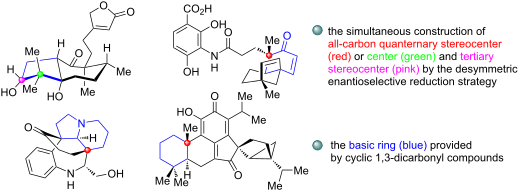
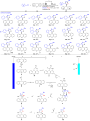
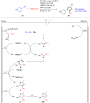
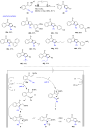
- intramolecular Diels–Alder reaction generated tricyclo[3.2.1.02,7]-octene 113. A two-step transformation including HAT hydrogenation and acetal C–H oxidation with RuCl3/NaIO4, 113 was converted into ketoester 114. The TFA-mediated C13–C15 bond cleavage of 114 proceed smoothly to give ring-opening products, which







Discovery of cytotoxic indolo[1,2-c]quinazoline derivatives through scaffold-based design
Beilstein J. Org. Chem. 2025, 21, 2062–2071, doi:10.3762/bjoc.21.161
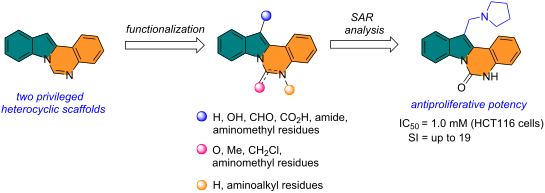
- methodologies from traditional acylation/carbamoylation [9] to advanced Pd- or Rh-catalyzed C–H activation [10][11], FeIII–CuII/p-TSA–CuI catalyzed ring expansion/cyclization [12], electrochemical C–H/N–H functionalization [13], RhIII-catalyzed C–H amidation [14], etc. In contrast to chemical studies, a


Bioinspired total syntheses of natural products: a personal adventure
Beilstein J. Org. Chem. 2025, 21, 2048–2061, doi:10.3762/bjoc.21.160
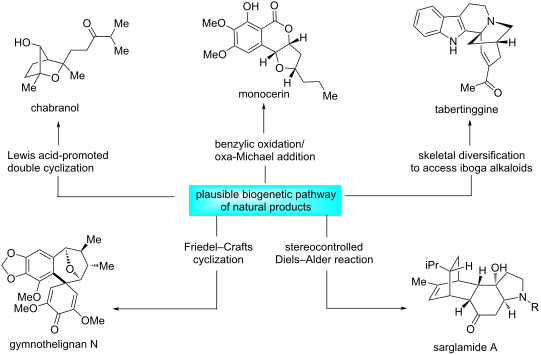
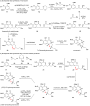
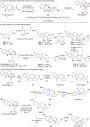
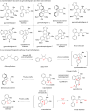
- reported. A bioinspired approach represents many advantages to bring benefits to total synthesis. It could rapidly achieve complexity of the target molecule from a much simpler precursor in diverse forms of transformations such as cascade reaction, cycloaddition, and C–H functionalization, thereby, shorten
- functionalities in a complex framework are formidable challenges for mankind since such transformations in nature are precisely induced by enzymes. Bioinspired functionalization of C–H bond in total synthesis is rarely developed and it represents another challenge, despite numerous methodologies have been



Measuring the stereogenic remoteness in non-central chirality: a stereocontrol connectivity index for asymmetric reactions
Beilstein J. Org. Chem. 2025, 21, 1995–2006, doi:10.3762/bjoc.21.155
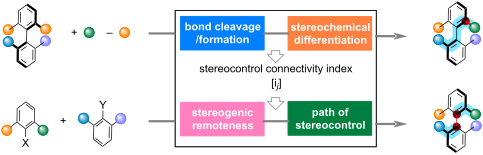
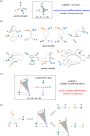
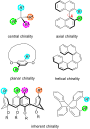
- atom is treated as a pseudo-tetrahedral center, with the metal regarded as one of the substituents. Accordingly, a C–H activation reaction that forms planar chiral ferrocenes [18] is assigned as [30] (Scheme 5A). For cyclophanes, if the bond formation or cleavage is on the stereogenic arene, the
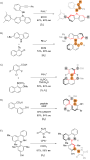
- , asymmetric synthesis of “inherently chiral” macrocycles have gained growing attention [22]. Practically, such reactions that yield “inherently chiral” macrocycles can be treated similarly as planar chirality (Scheme 6). The synthesis of calix[4]arenes via C–H arylation [23] is [31] (Scheme 6A), following the



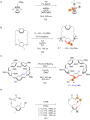
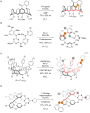
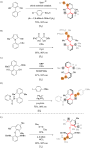

Photochemical reduction of acylimidazolium salts
Beilstein J. Org. Chem. 2025, 21, 1973–1983, doi:10.3762/bjoc.21.153
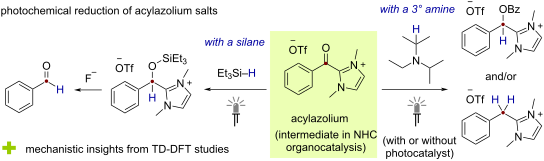
- spectrum also indicating the presence of significant amounts of the imidazolium salt IMeH+ (characteristic C2–H signal at δ = 8.94 ppm; 28%) and benzoate species (BzO−, ortho-C–H signals at δ = 7.98 ppm; 50%). To confirm the photocatalytic nature of the novel carbonyl reduction process, a series of control


Rhodium-catalysed connective synthesis of diverse reactive probes bearing S(VI) electrophilic warheads
Beilstein J. Org. Chem. 2025, 21, 1924–1931, doi:10.3762/bjoc.21.150
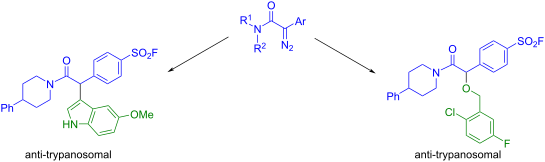
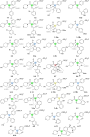
- -substrates with the potential to react with metal carbenoids in many different ways [14], for example through O–H, N–H or formal C–H insertion, cyclopropanation, or oxazole [20] formation. The 16 co-substrates, selected from available compounds in our laboratory, are shown in Figure 2 (panel A). Many of
- these substrates had more than one potentially reactive site to enable, for example, O–H insertion (C1–5, C8, C11 and C14), N–H insertion (C3, C6, C12, C13 and C15), formal C–H insertion (C1, C3, C4, C12, C15 and C16), oxazole formation (C9 and C10) and cyclopropanation (C7, C10, C14 and C16). To start
- amine (→ 4-18); cyclopropanation (→ 2-7); and formal C–H insertion into an indole (→ 1-15a and 2-15a) or naphthol (→ 2-4 and 3-4b). In the case of 4 (2-naphthol) and 15 (5-methoxyindole), co-substrates containing functional groups with more than one potentially reactive site, two regioisomeric products


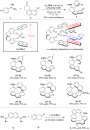
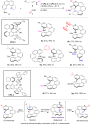
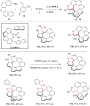
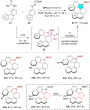
Chiral phosphoric acid-catalyzed asymmetric synthesis of helically chiral, planarly chiral and inherently chiral molecules
Beilstein J. Org. Chem. 2025, 21, 1864–1889, doi:10.3762/bjoc.21.145
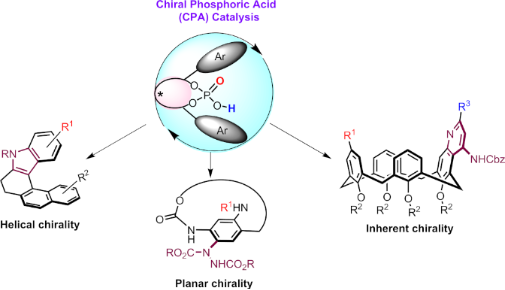
- enantioselectivity, with an s-factor up to >259 (Scheme 7). Notably, this reaction did not produce the typical arene C–H amination products but instead the dearomative amination products 26, which is believed to be due to the significant steric hindrance surrounding the amination site that impeded the subsequent
- CPA 6 (10 mol %) led to efficient kinetic resolution, yielding both the para-C–H amination product 49a and the recovered starting material (Rp)-48a with high enantioselectivity (Scheme 14). Notably, subjecting 49a to strongly basic conditions resulted in dehydrazidation to give (Sp)-48a, and thus
- -meta- (48f,g) and pseudo-para-substituted ones (see 48h,i). Furthermore, this method could also be utilized for the enantioselective desymmetrization of achiral diamido-substituted [2.2]paracyclophane substrate 50, delivering the C–H amination product 51 with excellent enantioselectivity (99% ee











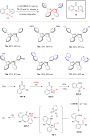
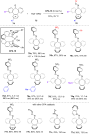
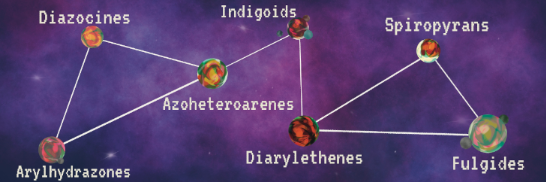
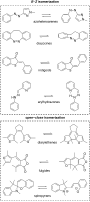
Photoswitches beyond azobenzene: a beginner’s guide
Beilstein J. Org. Chem. 2025, 21, 1808–1853, doi:10.3762/bjoc.21.143






Fe-catalyzed efficient synthesis of 2,4- and 4-substituted quinolines via C(sp2)–C(sp2) bond scission of styrenes
Beilstein J. Org. Chem. 2025, 21, 1799–1807, doi:10.3762/bjoc.21.142
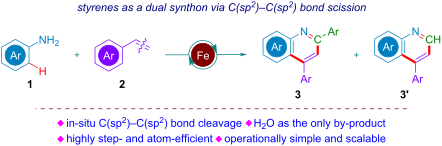
- -disubstituted and 4-substituted quinoline molecules. The developed strategy involves an earth-abundant Fe-catalyzed C(sp2)–C(sp2) bond cleavage of styrene, followed by the hydroamination of the cleaved synthons with arylamines and subsequent C–H annulation to yield two valuable quinoline derivatives. Key
- activation; C–H annulation; iron metal catalysis; quinolines; styrene; Introduction Quinolines are one of the essential heteroaromatic motifs that play a crucial role across diverse scientific fields due to their wide range of applications. In contemporary medicine, quinoline derivatives frequently appear
- [53]. In this work, the authors used a stoichiometric amount of Zn(OTf)3 as a Lewis acid catalyst and air as the oxidant for the reaction. Jana and colleagues demonstrated an atom-efficient pseudo-three-component C–H annulation reaction catalyzed by Yb and Cu, which involved nitrosoarenes and styrene




Research progress on calixarene/pillararene-based controlled drug release systems
Beilstein J. Org. Chem. 2025, 21, 1757–1785, doi:10.3762/bjoc.21.139






Continuous-flow-enabled intensification in nitration processes: a review of technological developments and practical applications over the past decade
Beilstein J. Org. Chem. 2025, 21, 1678–1699, doi:10.3762/bjoc.21.132
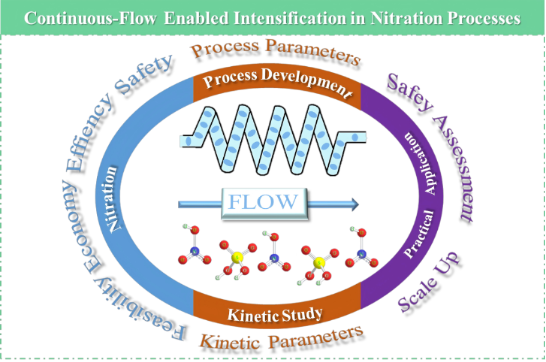
- selective mono- or di-nitration and facilitates late-stage C–H nitration of biorelevant molecules, with DFT/mechanistic studies revealing synergistic 'nitro effect' and 'methyl effect' underlying the reactivity [7]. Jia et al. developed dinitro-5,5-dimethylhydantoin (DNDMH) as an efficient arene nitration



Transition-state aromaticity and its relationship with reactivity in pericyclic reactions
Beilstein J. Org. Chem. 2025, 21, 1613–1626, doi:10.3762/bjoc.21.125
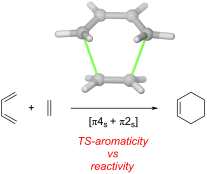
- diatropic (i.e., aromatic) ring current observed upon applying the anisotropy of the induced current density (ACID) method [78] or the delocalization observed with the EDDB method (see Figure 5 for the parent process involving the reaction between ethane and ethene). Typically, DGRTs involving C–H bonds are
- TS-aromaticity and the barrier heights. The origin of the computed decrease of the activation barrier in the CH3–OH to O=CH2 as compared to the analogous reaction involving ethane as hydrogen donor can be initially traced to different C–H vs O–H bond strengths. Indeed, we found that the total bond
- analysis (b) of the DGRT between ethane and formaldehyde (black lines) and the analogous process involving methanol (red lines) and projected onto the C···H bond-forming distance. AICD plots of the transition states associated with the Hopf cyclization reactions involving cis-hexa-1,3-diene-5-yne (a) and


Azide–alkyne cycloaddition (click) reaction in biomass-derived solvent CyreneTM under one-pot conditions
Beilstein J. Org. Chem. 2025, 21, 1544–1551, doi:10.3762/bjoc.21.117
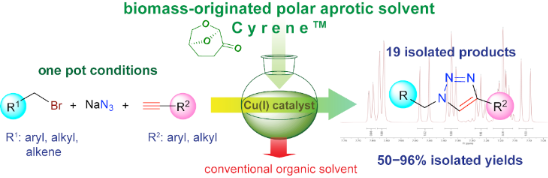
- , a wide range of organic reactions, e.g., urea and amide formation [32][33], amide coupling [34], aldol condensation [35], C–H difluoromethylation [36], aromatic substitution [37], and MOFs synthesis [38] were demonstrated in CyreneTM. Very recently, Fasano and Citarella first reported a CuAAC


Heterologous biosynthesis of cotylenol and concise synthesis of fusicoccane diterpenoids
Beilstein J. Org. Chem. 2025, 21, 1489–1495, doi:10.3762/bjoc.21.111
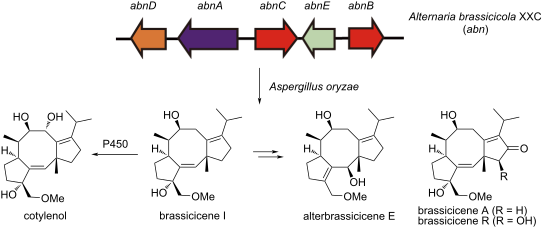
- activity than cotylenin A in cell growth inhibition assays and less toxicity in single-agent treatments [27][28]. Recently, Jiang and Renata described a chemoenzymatic approach that combines the skeletal construction by chemical methods and enzymatic C–H oxidations [29]. The synthesis employs a catalytic


Copper catalysis: a constantly evolving field
Beilstein J. Org. Chem. 2025, 21, 1477–1479, doi:10.3762/bjoc.21.109

- straightforward reactions. Complementarily, the Review article by Jang and Kim provides a deep understanding of recent advances in the combination of electrochemistry and copper catalysis for various organic transformations [3]. Their contribution elaborates various C–H functionalizations, olefin additions
- -workers demonstrates that the efficient and green direct C–H amination of benzoxazoles can be catalyzed by copper chloride salts in acetonitrile in the absence of any acidic, basic, or oxidizing additives [8]. Both CuCl and CuCl2 were found to be extremely efficient in promoting the reactions, which
Microwave-enhanced additive-free C–H amination of benzoxazoles catalysed by supported copper
Beilstein J. Org. Chem. 2025, 21, 1462–1476, doi:10.3762/bjoc.21.108
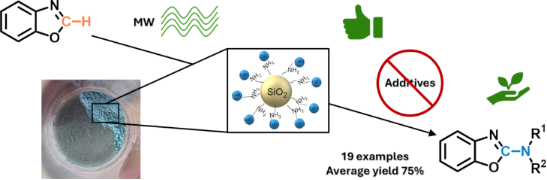
- offers wide-ranging potential for substrate expansion and the functionalisation of bioactive compounds. This study presents a green and efficient C–H amination, catalysed by CuCl and CuCl2, in acetonitrile without acidic, basic or oxidant additives that is accelerated by microwave (MW) irradiation and is
- , and the huge overall economic impact of these processes. Inspired by the logic behind cross-dehydrogenative C–C-coupling methods [15], the direct C–H amination has been developed as a more straightforward, economical and environmentally friendly reaction, compared to its counterparts (such as the
- classical Buchwald–Hartwig amination reaction [16] or the Ullman reaction [17][18]) which require pre-functionalisation steps and harsh conditions [19]. Many protocols for C–H aminations have been applied to heteroaromatic compounds, mainly 5-membered heteroarenes, and a great deal of attention has been