

Search results
Search for "transition metal" in Full Text gives 726 result(s) in Beilstein Journal of Organic Chemistry. Showing first 200.
Z-Selective semihydrogenation of alkynes via Ni/Lewis acid synergistic catalyzed system using DMF as hydrogen source and solvent
Beilstein J. Org. Chem. 2026, 22, 1004–1012, doi:10.3762/bjoc.22.79
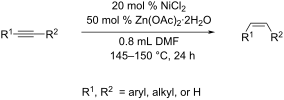
- the stereoselective semihydrogenation of alkynes a fundamental transformation in synthesis [1][2][3][4][5]. Among available methods, transition-metal catalysis has played a dominant role. The classical Lindlar catalyst remains the most widely applied heterogeneous system [6], yet it suffers from

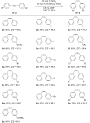


Electrochemical reduction of unsaturated carbon–carbon bonds via 3d transition-metal catalysis
Beilstein J. Org. Chem. 2026, 22, 955–981, doi:10.3762/bjoc.22.75
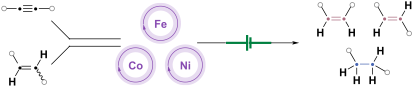
- conventionally achieved by exposing substrates to molecular hydrogen in the presence of homogeneous transition-metal catalysts or supported catalysts, thereby affording the corresponding alkanes. In sharp contrast, when selective reduction of alkynes is required, the use of Lindlar’s catalyst provides a
- stereoselective hydrogenation of alkynes under electrochemical and transition-metal-catalyzed conditions. The alkyne semihydrogenation generally benefits from the stronger coordination ability of the C–C triple bonds and the greater accessibility of metal-bound intermediates, thereby often enabling stereocontrol
- provide effective approaches for promoting selective alkene hydrogenation. Electrochemical and 3d transition-metal catalysis Owing to the straightforwardness of the reductive chemical transformation, a plethora of synthetic approaches has been utilized, with recent efforts increasingly converging on 3d


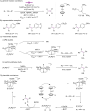

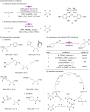

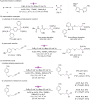
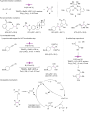


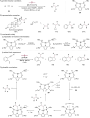


Recent advances in copper-catalyzed direct hydroamination of alkenes with (hetero)aromatic amines
Beilstein J. Org. Chem. 2026, 22, 925–947, doi:10.3762/bjoc.22.73
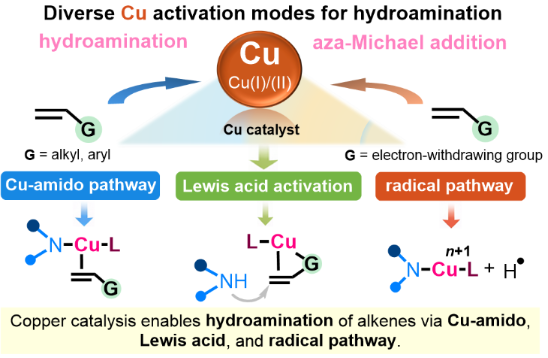
- reactivities of (hetero)aromatic N–H nucleophiles remains challenging. To address these issues, a range of transition metal catalysts have been explored [21][22][23], with copper emerging as a potent candidate [24][25][26][27]. Beyond its abundance, low cost, and comparatively low toxicity relative to precious
- β-amino nitrile motifs, which are commonly found in biologically active molecules. However, the relatively low nucleophilicity of aromatic amines and N-heteroaromatic substrates often limits their reactivity in conjugate addition reactions. To overcome this limitation, transition metal catalysis has




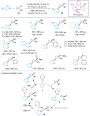


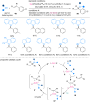

Palladium-catalyzed benzocyclization reactions of quinoline-2-carboxamides via sequential C–H/N–H functionalization
Beilstein J. Org. Chem. 2026, 22, 905–914, doi:10.3762/bjoc.22.71
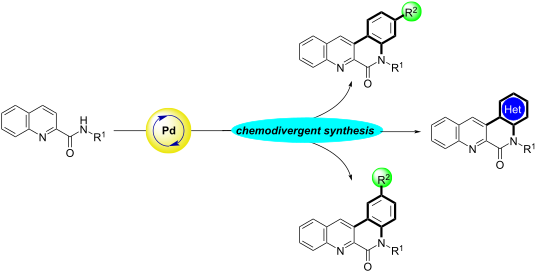
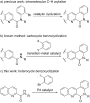
- metal affinity [9][10]. It is therefore expected that annulation of the amide moiety in quinoline-2-carboxamides would extend their functionality as biologically active structures, ligands, and extractants. Transition-metal-catalyzed coupling reactions are crucial for constructing carbon–carbon and
- allow facile preparation of aromatic amines (Scheme 1c) [28][29][30][31]. In general, intramolecular C–H arylation reactions in the presence of a transition-metal catalyst have been reported extensively in recent years. These reactions enable an efficient formation of fused-ring systems [32][33][34][35
- efficient access to chemodivergent products. The developed reaction protocol is expected to be applicable to the synthesis of functional materials and bioactive molecules. Nuclear Overhauser effect (NOE) correlations in products (a) 3ab, (b) 3ac, (c) 3ad, (d) 3aj, and (e) 3ak. Various transition-metal




The trans-influence in gold chemistry from a catalytic perspective
Beilstein J. Org. Chem. 2026, 22, 838–856, doi:10.3762/bjoc.22.66
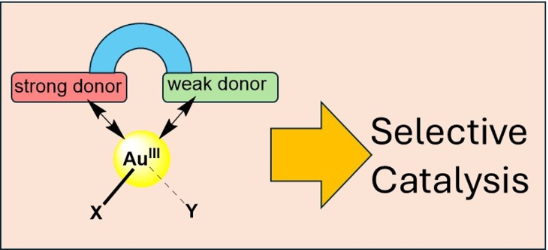
- . This effect is probably more dominant in gold chemistry than in most other transition-metal complexes; it can on occasions appear even more important than the formal oxidation state and d-electron count. Tilset and co-workers have recently summarised the importance of the trans-influence in C^N
- transition-metal C^P complexes has recently been reviewed [72]. P^N Ligands, notably 2-Me2NC6H4P(1-adamantyl)2 (“MeDalPhos”) is one of a group of chelating ligands that greatly facilitate oxidative addition reactions to gold(I) phosphine complexes by stabilising the Au(III) state [73][74][75][76][77][78


Synthesis and structural elucidation of a novel bis-spirooxindole from isatin and ethylenediamine
Beilstein J. Org. Chem. 2026, 22, 813–820, doi:10.3762/bjoc.22.63
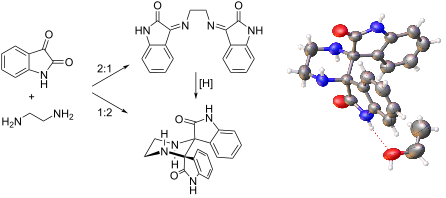
- , the design and synthesis of spiro-heterocycles – especially spirooxindoles – has continued to expand due to their broad pharmacological relevance and the wide array of modern synthetic strategies now available for their construction, including metal-free, organocatalytic, and transition-metal-mediated


Knoevenagel condensation of 4,5- and 1,8-diazafluorenes
Beilstein J. Org. Chem. 2026, 22, 803–812, doi:10.3762/bjoc.22.62
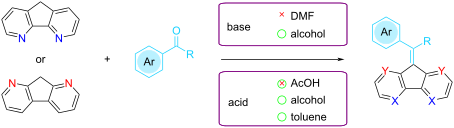
- be applied as antitumor agents [1][2][3], emitters and sensors [4][5]. They have also been extensively used as ligands yielding a wide library of transition-metal complexes [6][7][8], catalysts [9][10], light-driven molecular motors [11][12], nonlinear optical chromophores [13], and electrochromic




Photoorganocatalytic trifluoromethylation of (het)arenes in green conditions
Beilstein J. Org. Chem. 2026, 22, 662–671, doi:10.3762/bjoc.22.50
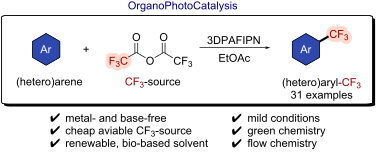
- -based complexes to other transition metals and organic photocatalysts, as well as diverse CF3 sources. The major limitations of these methodologies include the high cost of catalysts and trifluoromethylating reagents, along with the use of toxic species such as transition-metal complexes and hazardous




Kinetic resolution of racemic planar-chiral vinylcymantrenes by molybdenum-catalyzed asymmetric metathesis dimerization
Beilstein J. Org. Chem. 2026, 22, 568–574, doi:10.3762/bjoc.22.42
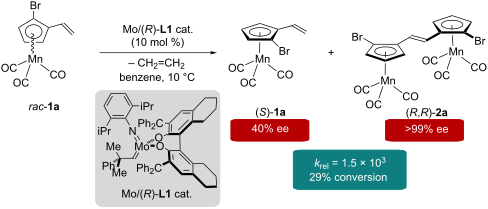
- metathesis chemistry, and various chiral metal-alkylidene catalysts have been prepared over the past two decades [6][7][8][9]. Since 2002, our group and others have been interested in utilizing the olefin metathesis reaction for the modulation of various transition-metal complexes [10][11][12][13] thanks to
- the excellent tolerance of the Mo-/Ru-metathesis catalysts toward the organometallic substrates. The olefin metathesis protocols could be extended to the asymmetric synthesis of diverse planar-chiral transition metal complexes either by the kinetic resolution of the racemic substrates [14][15][16] or
- by the desymmetrization of the Cs-symmetric substrates [17][18][19] by the use of an appropriate chiral catalyst (see the drawing in Table 1 for the structures of the representative chiral molybdenum precatalysts used in this study) [20][21][22][23]. Planar-chiral transition-metal complexes have been


Recent advances in the stereoselective synthesis of distal biaxially chiral molecules
Beilstein J. Org. Chem. 2026, 22, 461–479, doi:10.3762/bjoc.22.34
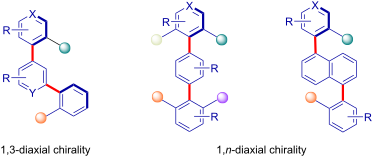
- in catalysis, drug discovery, and functional materials. Review One-step construction of remote biaxial chiral molecules In recent years, the development of asymmetric catalytic methods, including both transition-metal catalysis and organocatalysis, has provided powerful tools for the one-step
- , transition-metal-catalyzed approach for the synthesis of helically chiral polyaryl compounds with well-defined sequences of axial chirality. Using this method, they successfully obtained pentaaryl 6 (Scheme 1b) and nonaryl derivatives (not shown) bearing four and eight consecutive chiral axes, respectively
- alkylation for dynamic kinetic resolution. Moreover, additional alkylation at a sterically congested second rotational axis enabled the construction of remote, double axially chiral molecules 26. Further advances have come from transition-metal catalysis. Li’s group established a rhodium-catalyzed protocol


Cone p-aminocalix[4]arenes enriched with ‘clickable’ alkyne or azide functionalities
Beilstein J. Org. Chem. 2026, 22, 399–415, doi:10.3762/bjoc.22.28
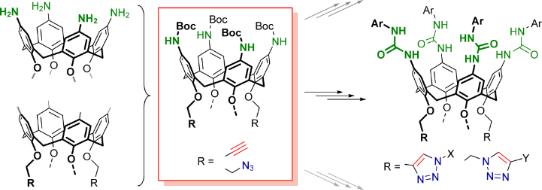
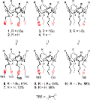
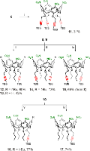
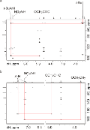
- derived from propargylated and 2-azidoethylated precursors possess drastically different complexation abilities towards transition-metal cations [81][82][83][84] including the formation of unique inherently dinuclear iridium(III) complexes with cone calix[4]arenes having pairs of 2-(4-aryltriazol-1-yl
- apparently not sufficient to provide any significant selectivity for the formation of homo/heterocapsules. Finally, since the triazole groups arranged at the narrow rim of the calix[4]arene macrocycle are capable of complexation with transition-metal cations, showing different complexation preferences






Recent advances in the cleavage of non-activated amides
Beilstein J. Org. Chem. 2026, 22, 352–369, doi:10.3762/bjoc.22.23
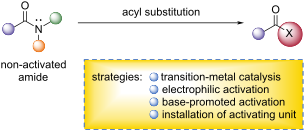
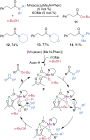
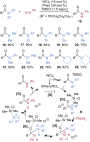
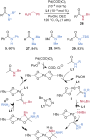
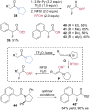
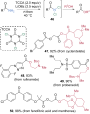
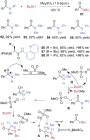
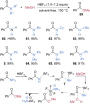
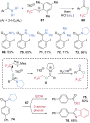
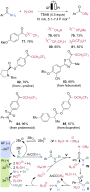
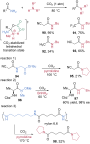
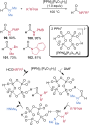
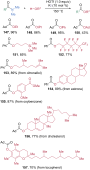
- of conventional, non-activated amides remains far more difficult. This review summarizes recent advances over the past decade in the activation and cleavage of non-activated amide C–N bonds for their conversion into diverse carboxylic acid derivatives. Key strategies covered include transition-metal
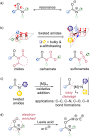
- ]. Such activation has enabled a wide array of transformations, including metal-catalyzed cross-couplings via oxidative addition into the amide C–N bond (Scheme 1c) [32][33][34][35][36], and transition-metal-free acyl substitutions facilitated by improved leaving-group ability [37][38][39][40]. Although
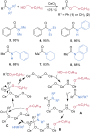
- remains a significant and persistent challenge in synthetic chemistry [41][42][43][44]. Classical approaches for activating non-activated amides typically rely on transition-metal catalysts acting as Lewis acids, which coordinate to the carbonyl oxygen and enhance electrophilicity (Scheme 1d). However








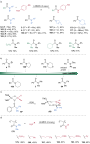


Arene activation via π-bond localization: concepts and opportunities
Beilstein J. Org. Chem. 2026, 22, 257–273, doi:10.3762/bjoc.22.19
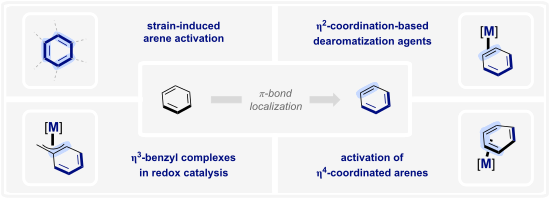
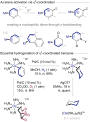
- as well as transition metal coordination to aromatic fragments in an η2-, η3-, and η4-fashion. The structural and reactivity consequences of these perturbations are analyzed in detail, and representative examples of stoichiometric and, where available, catalytic applications in synthesis are
- disrupting the aromatic core, such as electrophilic and nucleophilic aromatic substitutions, transition metal-catalyzed cross-couplings [11], and C–H functionalizations [12]. Taken together with their natural abundance, these transformations have established arenes and heteroarenes as versatile synthetic
- structure and reactivity. The following chapters introduce the broader mechanistic framework of transition metal coordination to a subset of the aromatic system, specifically η2-, η3-, and η4-coordination. These partial coordination modes effectively clamp the otherwise delocalized π-system, disrupting




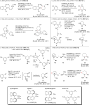
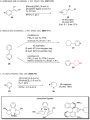
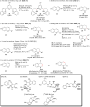
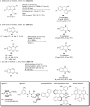
Total synthesis of natural products based on hydrogenation of aromatic rings
Beilstein J. Org. Chem. 2026, 22, 88–122, doi:10.3762/bjoc.22.4
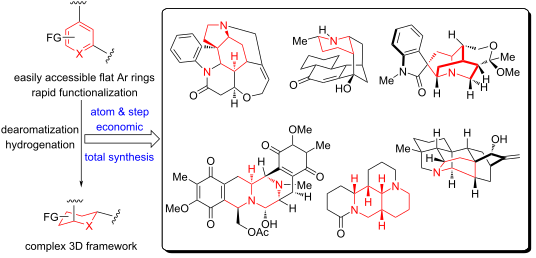
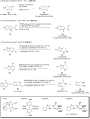
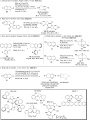
- ][19][20]. In recent years, promoted by the rapid development of asymmetric catalysis, a wealth of reactions applicable to aromatic systems – including substitution reactions, transition-metal-coupling reactions, and even dearomatization [21][22][23] – have been reported, further extending their
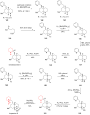
- both homogeneous and heterogeneous systems, the hydrogenation of (hetero)arenes has become a cornerstone of modern synthesis for constructing saturated carbocycles and heterocycles [37]. When an appropriate ligand is paired with a transition-metal catalyst, stereoselective hydrogenation of aromatic
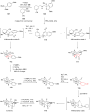
- range, the reaction was scaled up to the gram scale with high yield and high enantioselectivity. Recently, Du and co-workers reported a transition-metal-free asymmetric transfer hydrogenation reaction (Scheme 6) [58]. Under a hydrogen atmosphere, using chiral phosphoric acid and achiral borane as











Advances in Zr-mediated radical transformations and applications to total synthesis
Beilstein J. Org. Chem. 2026, 22, 71–87, doi:10.3762/bjoc.22.3
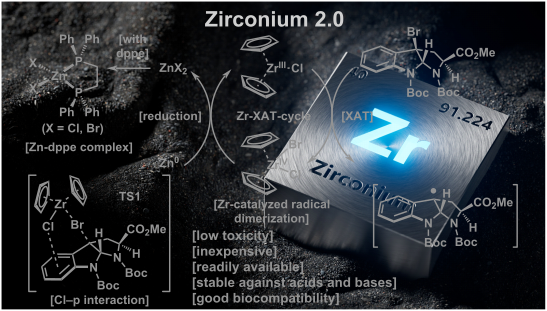
- for future development. Keywords: halogen atom transfer; photoredox; radical; total synthesis; zirconium; Introduction Zirconium, a transition metal in the same group as titanium, has been employed across research fields and in medical applications owing to its distinctive physical and chemical
- bond dissociation energy (BDE). Although zirconium shares many characteristics with titanium as a group-congener transition metal, it is known to form stronger bonds in several cases. For example, the Ti–O BDE is reported as 115 kcal·mol−1, whereas the Zr–O BDE is 132 kcal·mol−1 [4]; likewise, Ti–Br








Synthesis and applications of alkenyl chlorides (vinyl chlorides): a review
Beilstein J. Org. Chem. 2026, 22, 1–63, doi:10.3762/bjoc.22.1
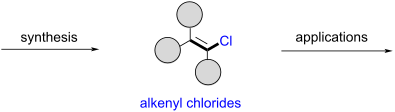
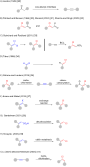
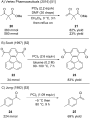
- Synthesis of Acetylenes” [29] which discusses the preparation of alkenyl chlorides via ketone chlorination using PCl5 (Figure 3A). The synthesis of β-chlorovinyl ketones was later reviewed by Poland and Benson in 1966 (Figure 3B) [30]. More recently, Morandi and co-workers summarized transition-metal
- contribution to the field, particularly via chromium-mediated olefinations, is covered in a Comprehensive Organic Synthesis chapter (Figure 3D) [34][35]. Carbochlorination and carbonylchlorination reactions were reviewed by Petrone, Ye, and Lautens in their Chemical Reviews article on transition-metal
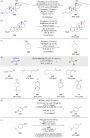
- . Thus, the hydrochlorination of terminal aliphatic alkynes serves as a valuable benchmark reaction to differentiate between purely ionic and transition-metal-catalyzed hydrochlorination processes which often show highly monoselective reactions [95]. Somewhat surprisingly, a recent study by Dai























Mechanistic insights into hydroxy(tosyloxy)iodobenzene-mediated ditosyloxylation of chalcones: a DFT study
Beilstein J. Org. Chem. 2025, 21, 2703–2715, doi:10.3762/bjoc.21.208
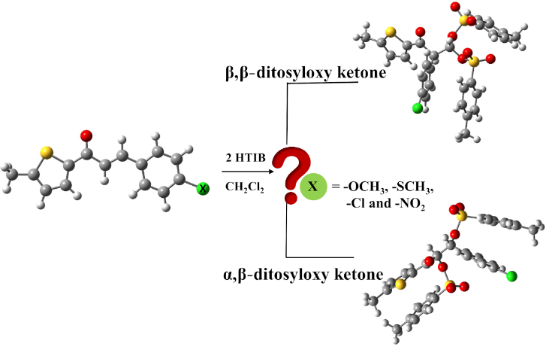
- . The reactivity characteristics of these compounds are similar to transition metal reagents, as a result these hypervalent compounds can be used as an alternative. For example, iodobenzene diacetate (PhI(OAc)2), can be used to selectively oxidize alcohols to aldehydes or ketones over toxic chromium(VI


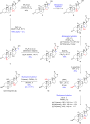
Chemoenzymatic synthesis of the cardenolide rhodexin A and its aglycone sarmentogenin
Beilstein J. Org. Chem. 2025, 21, 2637–2644, doi:10.3762/bjoc.21.204
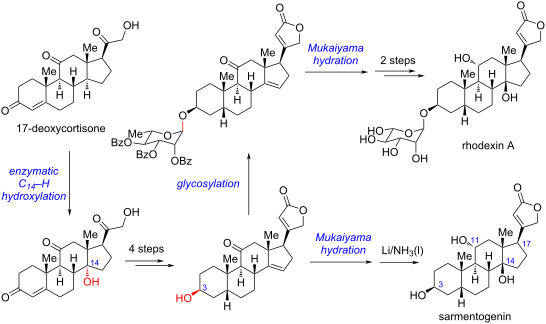
- typical Mukaiyama hydration conditions [30][31][32] to install the C14 β-hydroxy group. However, only a trace amount of the undesired C14α-hydroxylated product 10 was obtained. Additional optimizations regarding the transition-metal catalyst, hydrogen source and solvent all failed to improve the results



Visible-light-driven NHC and organophotoredox dual catalysis for the synthesis of carbonyl compounds
Beilstein J. Org. Chem. 2025, 21, 2584–2603, doi:10.3762/bjoc.21.200
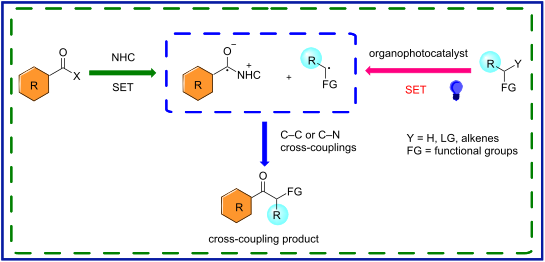
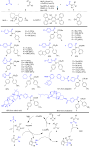
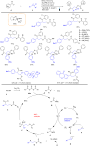
- carbenes (NHCs) with photocatalysts. The review encompasses transition-metal-based photocatalytic reactions for C–C and C–HA cross-coupling reactions involving various acyl fluorides, amides, aldehydes, carboxylic acids, and esters, highlighting their broad applications in organic synthesis and medicinal
- groups of MacMillan, Studer, Chi, Plunkett, Rovis, Hopkinson, and others developed NHC-involved radical reactions via visible light-promoted dual or triple photocatalysis, including NHC and transition metal-based photocatalytic reactions and their application in organic synthesis [41][42][43][44][45][46
- , generating an N-centered radical species C. This species subsequently undergoes a rapid C–N cross-coupling with ketyl radical B. This cross-coupling method offers a transition-metal free route to highly substituted amides 3 from aldehydes 1 and imines 2, without the need for any external reductants or


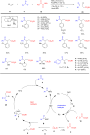
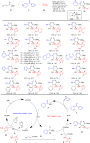

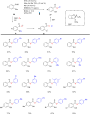

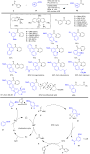

Palladium-catalyzed regioselective C1-selective nitration of carbazoles
Beilstein J. Org. Chem. 2025, 21, 2479–2488, doi:10.3762/bjoc.21.190
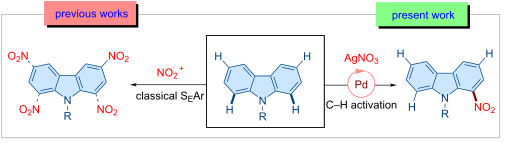
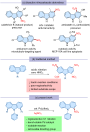
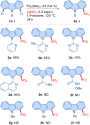
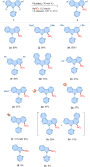
- methodologies are greatly limited due to harsh reaction conditions that impact the scope of the reaction, poor yield, and regioselectivity issues. In sharp contrast, transition metal-catalyzed cross-coupling reactions promisingly improve the regioselectivity issues and substrate scope [25][26][27][28]. In
- addition to cross-coupling reactions, transition metal-catalyzed cyclization involving C–H activation approaches have also been reported [29][30][31][32][33][34][35][36]. Despite the significant advances in carbazole core constructions, the established protocols significantly lack access to selectively C1
- -decorated carbazoles. Consequently, functionalizing carbazoles via transition metal-catalyzed directed C–H activation becomes more attractive to introduce the desired functionality in a regioselective fashion. The C–H activation strategy is elegant in many ways since it utilizes nonfunctionalized or lesser


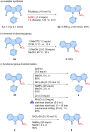
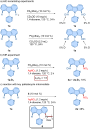
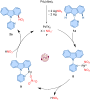
Synthesis of the tetracyclic skeleton of Aspidosperma alkaloids via PET-initiated cationic radical-derived interrupted [2 + 2]/retro-Mannich reaction
Beilstein J. Org. Chem. 2025, 21, 2470–2478, doi:10.3762/bjoc.21.189
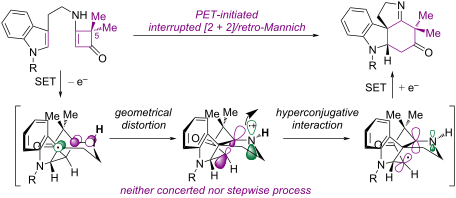
- leads to ketene D, which can undergo cycloaddition with an alkene to yield E. This fragmentation pathway dominates under various conditions (e.g., transition-metal catalysis, nucleophilic addition) and is driven by ring-strain release [11]. PET, an alternative to direct excitation and EnT, enables the

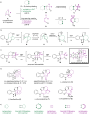

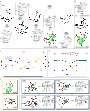
Catalytic enantioselective synthesis of selenium-containing atropisomers via C–Se bond formations
Beilstein J. Org. Chem. 2025, 21, 2447–2455, doi:10.3762/bjoc.21.186
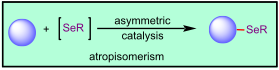
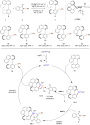
- axially chiral selenium-containing compounds by the formation of C–Se bonds is reviewed from three aspects. Review 1. Catalytic atroposelective synthesis of selenium-containing atropisomers by transition-metal-catalyzed C–H selenylation reactions Transition-metal-catalyzed enantioselective C–H activation


Comparative analysis of complanadine A total syntheses
Beilstein J. Org. Chem. 2025, 21, 2334–2344, doi:10.3762/bjoc.21.178
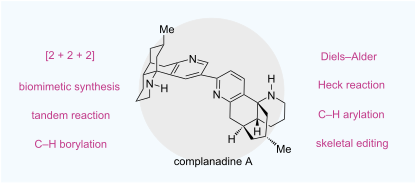
- strategies and creative tactics, reflecting how emerging synthetic capabilities and concepts can positively impact natural product total synthesis. Keywords: biomimetic synthesis; C–H functionalization; complanadine; lycopodium alkaloid; skeletal editing; total synthesis; transition metal catalysis
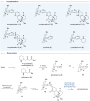
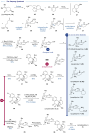
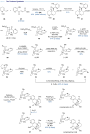
- total synthesis – 2010 In 2010, Siegel and co-workers reported their total synthesis of complanadine A (Scheme 2). Their synthesis centres on two transition metal-catalyzed alkyne–alkyne–nitrile [2 + 2 + 2] cycloadditions to forge the two pyridine rings encoded by complanadine A [21]. Notably, the C2–C3
- approaches. Overall, their synthesis highlights the impact of enabling transition metal catalysis on natural product total synthesis. The Siegel synthesis starts with chiral pool molecule (+)-pulegone (14), which encodes the first stereocenter of the entire sequence. (+)-Pulegone was converted to compound 15



Enantioselective radical chemistry: a bright future ahead
Beilstein J. Org. Chem. 2025, 21, 2283–2296, doi:10.3762/bjoc.21.174
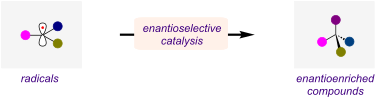
- describes several important catalytic asymmetric strategies applied to enantioselective radical reactions, including chiral Lewis acid catalysis, organocatalysis, photoredox catalysis, chiral transition-metal catalysis and photoenzymatic catalysis. The application of electrochemistry to asymmetric radical
- catalysis is discussed initially. This is followed by the recently emerging areas of transition-metal catalysis, photoenzymatic catalysis, and electrochemistry. Perspective Radical generation and reactions Synthetic methods based on free radical chemistry are some of the most efficient and powerful tools
- radical reaction and can occur either intermolecularly or as an intramolecular cyclization reaction. Radical coupling or combination is a possible transformation that is more feasible when one of the radicals is relatively stabilized (a persistent radical). Trapping a radical with a transition metal is


Pathway economy in cyclization of 1,n-enynes
Beilstein J. Org. Chem. 2025, 21, 2260–2282, doi:10.3762/bjoc.21.173
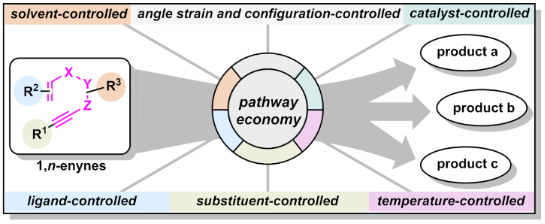
- could be further derivatized (e.g., via borylation, epoxidation), establishing a versatile platform for accessing fused-ring natural products. Substituent-controlled cyclization of 1,n-enynes In transition metal-catalyzed cyclization reactions, the electronic properties and steric hindrance of
- strategy employed transition metal-catalyzed carbene intermediates to mediate stereoselective cyclization, affording bicyclo[4.3.0]nonane derivatives with configurations distinct from Diels–Alder adducts. In 2013, Alami and co-workers demonstrated catalyst-dependent cycloisomerization of aromatic enynes
- aromatic enyne precursors, where product selectivity was controlled by the catalytic system employed. In 2014, Ma and co-workers disclosed a regioselective synthetic strategy for carbazole derivatives, where the directionality of alkyl migration was modulated by the choice of transition metal catalysts