
Search results
Search for "mechanisms" in Full Text gives 693 result(s) in Beilstein Journal of Organic Chemistry. Showing first 200.
Amino acid-based surfactants: sustainable synthesis and antimicrobial mechanisms
Beilstein J. Org. Chem. 2026, 22, 1067–1085, doi:10.3762/bjoc.22.85
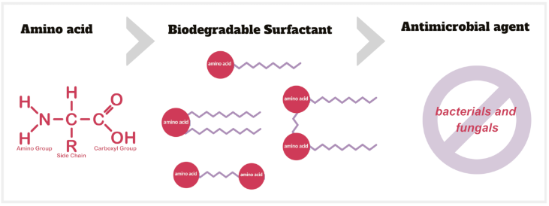
- antimicrobial activity has gradually grown over the last years. These molecules have shown promising characteristics, singular structures leading to innovative mechanisms of action, capable of overcoming the defenses of resistant microorganisms. In conclusion, the ability of these compounds to inhibit the
- -spectrum effects, including antibiofilm and antifungal properties [24]. Notably, these compounds also disrupt microbial membranes via lytic or non-lytic mechanisms (e.g., pore formation, lipid extraction, or inhibition of essential enzymes like ATP synthases) [25][26][27][28]. The antimicrobial activity
- functions by specific interactions with proteins or nucleic acids among other mechanisms that will be described in the following sections [25][26][27]. Accordingly, this review aims to provide an overview of the relevance of these molecules and their suitability to combat bacterial and fungal infections


Novel macrocycles: from synthesis to supramolecular function
Beilstein J. Org. Chem. 2026, 22, 982–985, doi:10.3762/bjoc.22.76

- functionalization, and selective host–guest recognition properties. By organizing recent examples by internal and external stimuli, the authors outline how macrocyclic systems can regulate cargo release via supramolecular recognition and nanovalve mechanisms. The Review also discusses current challenges and future
Electrochemical reduction of unsaturated carbon–carbon bonds via 3d transition-metal catalysis
Beilstein J. Org. Chem. 2026, 22, 955–981, doi:10.3762/bjoc.22.75
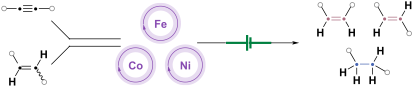
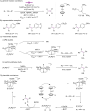
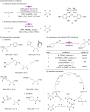
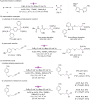
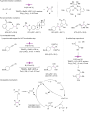
- hydride equivalent to the substrate, followed by protonation to furnish the reduced product [64]. In sharp contrast, the second major category comprises hydride-free pathways, in which hydrogenation is achieved without the involvement of a discrete M–H intermediate. These mechanisms arise either from








Recent advances in copper-catalyzed direct hydroamination of alkenes with (hetero)aromatic amines
Beilstein J. Org. Chem. 2026, 22, 925–947, doi:10.3762/bjoc.22.73
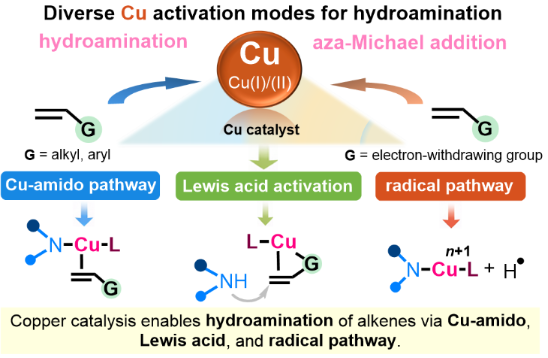
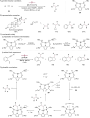
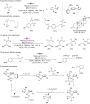
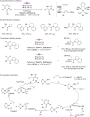
- , including copper–amido-mediated nucleophilic addition or aminocupration, Lewis acid-type alkene activation, and radical-mediated pathways. These complementary mechanisms provide access to diverse alkene classes with control over regioselectivity (Markovnikov vs anti-Markovnikov addition), stereoselectivity
- provide complementary regioselectivity profiles and an expanded substrate scope compared to purely polar mechanisms. The ability of copper catalysts to operate across these mechanistic regimes has enabled significant progress in the hydroamination of activated and challenging alkenes using (hetero
- demonstrates that simple Lewis acidic copper salts can promote hydroamination through radical pathways, offering a complementary strategy to previously reported copper–amido nucleophilic addition or aminocupration mechanisms. Conclusion Copper catalysis has emerged as an efficient and versatile platform for







Site-specific labelling of native peptides and proteins: chemical and enzymatic strategies
Beilstein J. Org. Chem. 2026, 22, 857–881, doi:10.3762/bjoc.22.67
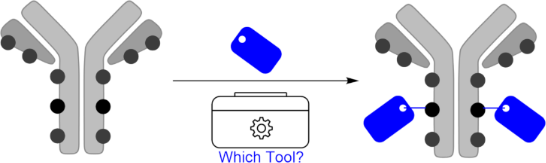
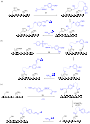
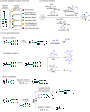
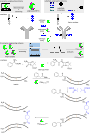
- difference is often not sufficient for site-specific modifications. Consequently, recent effort has shifted towards targeting alternative less-frequent amino acid residues [82], as well as novel mechanisms such as linchpin-directed modifications summarized below. Various chemoselective methods for
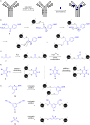
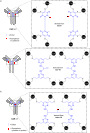
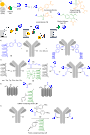
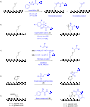
- modifications remains limited. The following examples illustrate recent advances in recruiting enzymes for native-sequence labelling, all of which rely on reaction mechanisms that activate carbonyl groups (Scheme 13). One of the most studied protein-modifying enzymes is sortase A. Recognising the LPXTG motif
- ), glycosyltransferases (β4GalT1 Y289L) or glycosynthases to install reactive handles on native glycans, enabling precise conjugation for applications such as antibody–drug conjugates (ADCs). Generic reaction mechanisms recruited by various native-sequence modifying enzymes. a,b) Engineered biocatalysts including sortase









The trans-influence in gold chemistry from a catalytic perspective
Beilstein J. Org. Chem. 2026, 22, 838–856, doi:10.3762/bjoc.22.66
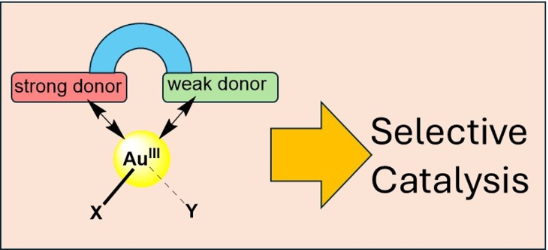
- -mediated reaction mechanisms. Following a brief discussion of general considerations, this Perspective examines how ligand structure and the resulting trans-influence determine reactivity and stability of gold(III) complexes supported by tridentate (pincer) ligands and in bidentate chelates, including
- (C^C^N)Au–C(R)=C(R)H (Z-configuration), most probably via (C^C^N)AuH as intermediate [54]. Allenes are more reactive, and both (C^N^C)AuH 8a and [(P^N^C)AuH]+ 11 give allene-insertion products, by unspecified mechanisms [31][52]. This picture changed however when it was realised that (C^N^C)AuH
- ]. However, there is apparently yet more versatility in the mechanisms of alkyne hydroauration and may operate for the [(P^N^C)AuH]+ cation 11. Nevado et al. found recently that 11 inserts both DMAD as well as terminal alkynes, to give Au(III) Z-vinyl complexes. Control experiments ruled out the involvement


Knoevenagel condensation of 4,5- and 1,8-diazafluorenes
Beilstein J. Org. Chem. 2026, 22, 803–812, doi:10.3762/bjoc.22.62
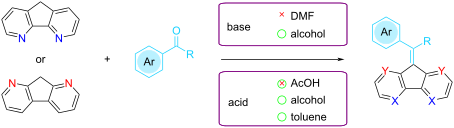
- -diazafluorenes with aromatic aldehydes and evaluated the influence of the diazafluorene nature and solvent on the reaction mechanisms and reactivity. The reactivity of diazafluorenes under basic conditions was demonstrated to be improved in protic solvents due to solvation of ion pairs by these solvents. We




Synthesis and biological evaluation of new brassinosteroid analogs with C-22 benzoate function
Beilstein J. Org. Chem. 2026, 22, 753–762, doi:10.3762/bjoc.22.57
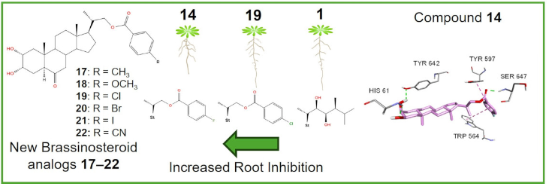
- , conjugation and oxidation via dynamic interaction with different phytohormones and on homeostasis mechanisms [52]. Consequently, exogenous application of a growth regulator initiates not only the process leading to a phenotypic response but also all those associated to its own regulation. Thus, only a


Hydrogen production from formic acid catalyzed by NHC–Cu complexes
Beilstein J. Org. Chem. 2026, 22, 620–627, doi:10.3762/bjoc.22.48
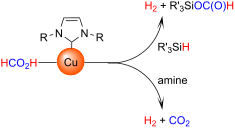
- equivalent of hydrogen was due to concurrent mechanisms at play. A proposed catalytic cycle is depicted in Scheme 3. The first step involves the reaction of [Cu(OH)(IPr)] with phenylsilane affording silanol and a highly reactive Cu–H species [53][54][55][56][57][58]. The latter reacts with FA in an acid–base
- simultaneous occurrence of two dehydrogenative mechanisms can explain the results of the isotopic labeling experiments. Indeed, while HD arises from the coupling of HCO2D with phenylsilane, the formation of H2 takes place by dehydrogenative coupling of the hydrosilanes present in the reaction mixture. To



Towards the targeted protein degradation of CK2: design and synthesis of CAM4066-based PROTACs
Beilstein J. Org. Chem. 2026, 22, 611–619, doi:10.3762/bjoc.22.47
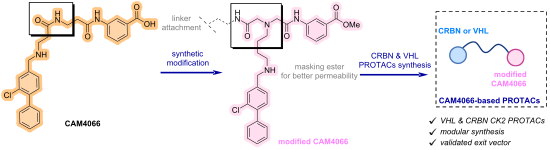
- . Despite successes with ATP-competitive inhibitors, small-molecule kinase inhibitors can be limited by reversible target engagement, off-target effects, and susceptibility to resistance mechanisms [7]. These challenges have motivated the exploration of alternative therapeutic modalities that move beyond

Design and synthesis of an erdafitinib-based selective FGFR2 degrader
Beilstein J. Org. Chem. 2026, 22, 583–591, doi:10.3762/bjoc.22.44
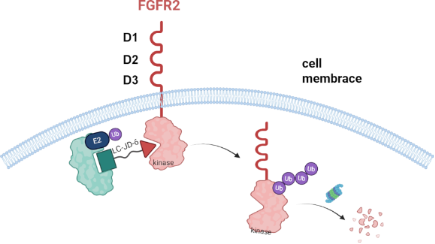
- proper ligand binding, thus promoting uncontrolled cell proliferation [11][14]. Mutations in FGFR2 may alter its structure, enabling it to bypass normal regulatory mechanisms and activate downstream oncogenic pathways independently of external stimuli, which also contributes to tumor development. Gene
- FGFR2-selective inhibitor, is the first highly selective FGFR2 inhibitor. Although substantial advancements have been made in developing FGFR2-targeted therapeutics, the sustained clinical efficacy of these inhibitors in oncology remains constrained by the emergence of acquired resistance mechanisms
- cell surface FGFR2 expression, supporting its role as a membrane-specific degrader. Conclusion Over the past decade, with the identification of FGFR2 as a key oncogenic driver in multiple malignancies [34], significant progress has been made in elucidating the molecular mechanisms underlying the FGFR2



Experimental and DFT studies on the regioselective methanolysis of 5-azido-9-oxabicyclo[6.1.0]nonan-4-yl 4-nitrobenzoate isomers
Beilstein J. Org. Chem. 2026, 22, 547–556, doi:10.3762/bjoc.22.40
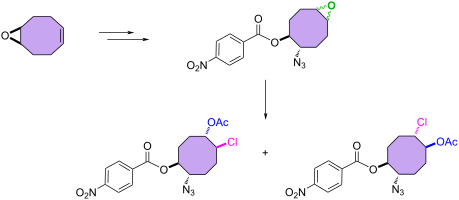
- formation mechanisms of the products yielded from the methanolysis of isomeric epoxides 9, we performed a series of density functional theory (DFT) computations using the software Gaussian 16 [26]. For this, geometry optimizations and harmonic vibrational frequency computations for the structures considered


Modern synthetic pathways towards eribulin and its subunits
Beilstein J. Org. Chem. 2026, 22, 495–526, doi:10.3762/bjoc.22.37
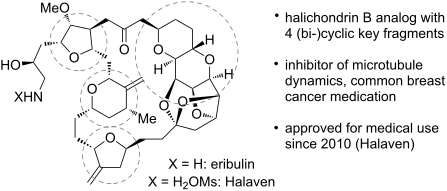
- enhances its therapeutic efficacy but also helps in overcoming resistance mechanisms that limit the effectiveness of other microtubule-targeting agents. Research continues to explore additional applications of 1 in various cancer types, including non-small cell lung cancer, ovarian cancer, and other soft








Synthesis of a HDAC inhibitor–nanogold probe for cryo-EM visualization in class I HDAC co-repressor complexes
Beilstein J. Org. Chem. 2026, 22, 480–485, doi:10.3762/bjoc.22.35
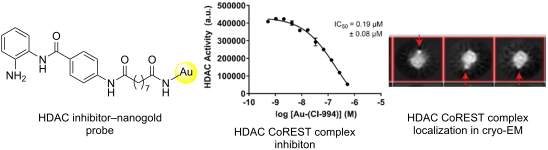
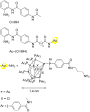
- of non-histone proteins [1], and the hydrolysis of other acyl functional groups [2]. The human genome encodes 18 histone deacetylases (HDACs), which are divided into two main groups based on their catalytic mechanisms [3]. Eleven HDACs are zinc-dependent enzymes, while the remaining seven, known as



Design, synthesis and biological evaluation of 2,5-diaryloxazolo[4,5-d]pyrimidin-7-ylamines as selective cytotoxic agents against HeLa cells
Beilstein J. Org. Chem. 2026, 22, 390–398, doi:10.3762/bjoc.22.27
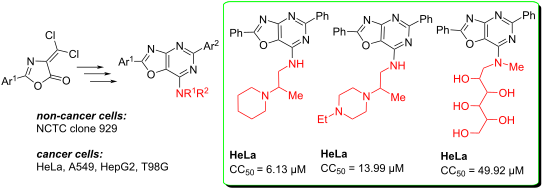
- mechanisms of action have utilitarian value, as they do not account for the probability of including targets not inherent to existing drugs in their molecular mechanisms of anticancer action. The physicochemical properties of such compounds may not fit the parameters developed from databases of approved


Ring contraction and ring expansion reactions in terpenoid biosynthesis and their application to total synthesis
Beilstein J. Org. Chem. 2026, 22, 289–343, doi:10.3762/bjoc.22.21
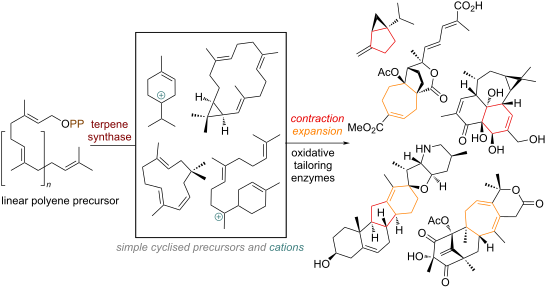
- terpenoids and highlight the utility of strategically including such a step in a natural product synthesis. To start, an overview of the different classes of enzymes, and thus common mechanisms, of ring-size-altering reactions for terpenes will be presented. In Scheme 1 the four most important manifolds for
- pyrophosphate (GPP, 6). As the goal of this review is to cover mainly skeletal modifications arising from follow up biosynthetic reactions after cyclisation, only selected examples of ring-size altering fundamental steps in polyene cyclisation mechanisms will be presented now. One such example is the formation






Synthesis of diaryl phosphates using phytic acid as a phosphorus source
Beilstein J. Org. Chem. 2026, 22, 213–223, doi:10.3762/bjoc.22.15
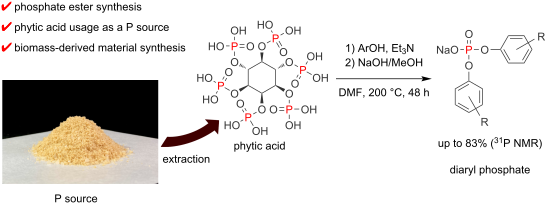
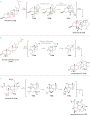
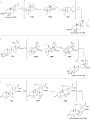
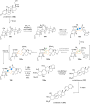
- different mechanisms. In addition, the DPpyP 31P NMR peak increases and decreases in conjunction with the decrease of the MPP peak and increase of the DPP peak, suggesting that DPpyP acts as an intermediate in the DPP formation process. When alcohol 1c was used (Figure 3), the reaction stopped mainly at the




Streptoquinolines A and B, new antibacterial meroterpenoids produced by Streptomyces sp. TMPU-A0679
Beilstein J. Org. Chem. 2026, 22, 185–191, doi:10.3762/bjoc.22.12
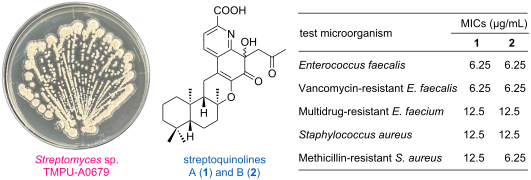
- Pathogens List (BPPL) in 2024, reaffirming VRE as a “High Priority Pathogen” for which research on and the development of new antimicrobial agents are urgently needed [4]. This emphasizes the continuing demand for antibiotics with novel chemical scaffolds and mechanisms of action. In our ongoing search for


Symmetrical D–π–A–π–D indanone dyes: a new design for nonlinear optics and cyanide detection
Beilstein J. Org. Chem. 2026, 22, 131–142, doi:10.3762/bjoc.22.6
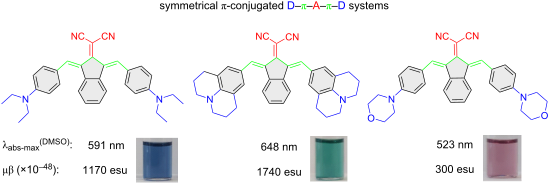
- under ambient light. In addition, interaction mechanisms of dyes with cyanide were studied using the 1H NMR titration method, and it was determined that they interacted through an addition mechanism. Photophysical properties and interaction mechanisms of the compounds were also supported through density


Advances in Zr-mediated radical transformations and applications to total synthesis
Beilstein J. Org. Chem. 2026, 22, 71–87, doi:10.3762/bjoc.22.3
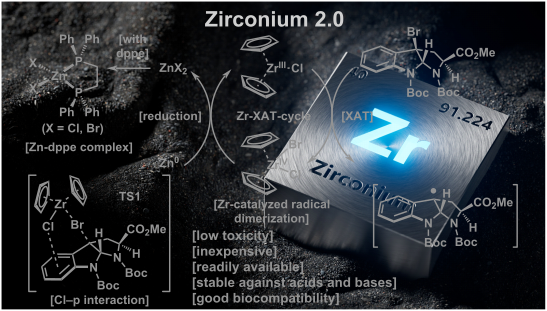
- years, however, single-electron transformations mediated by zirconium complexes have begun to emerge. This review systematically highlights the groundbreaking radical mechanisms involving zirconium complexes that have been reported. Zirconium exhibits unique characteristics – such as a strong affinity








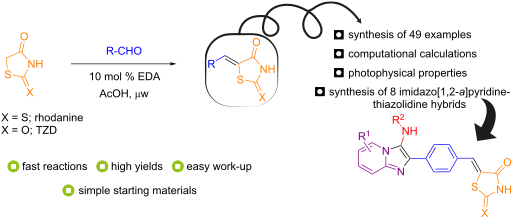
Thiazolidinones: novel insights from microwave synthesis, computational studies, and potentially bioactive hybrids
Beilstein J. Org. Chem. 2025, 21, 2618–2636, doi:10.3762/bjoc.21.203
- Figure 7d and Figure S251d in Supporting Information File 1 provide data on the stabilization mechanism in the excited state in relation to the ICT process and the polarity of the solvent [90][91]. The graphs were generally linear, demonstrating that ICT-type mechanisms were favored for these compounds






Silica gel with covalently attached bambusuril macrocycle for dicyanoaurate sorption from water
Beilstein J. Org. Chem. 2025, 21, 2604–2611, doi:10.3762/bjoc.21.201
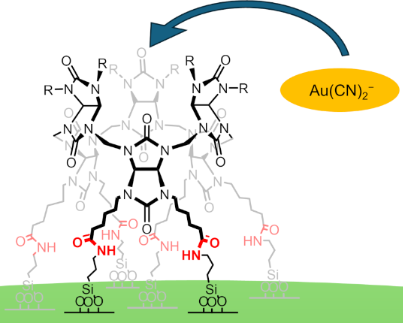
- ; gold mining; macrocycles; Introduction Inorganic anions play essential roles in a variety of biological and biochemical mechanisms and are also involved in many industrial and manufacturing processes. Due to their significant environmental impact, it is important to monitor their presence and control


Total syntheses of highly oxidative Ryania diterpenoids facilitated by innovations in synthetic strategies
Beilstein J. Org. Chem. 2025, 21, 2553–2570, doi:10.3762/bjoc.21.198
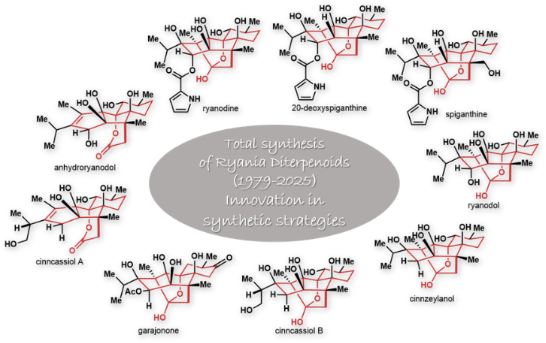
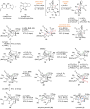
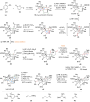
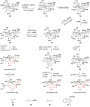
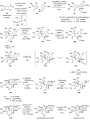
- . This field serves not only as a vital tool for molecular structure validation and the discovery of new reaction mechanisms but also as a fundamental driving force behind advances in related disciplines such as pharmaceutical science. Throughout this endeavor, innovations in methods and strategies
- channels has been extensively studied, the mechanisms of action of other ryanoid diterpenoid natural products remain poorly understood. Elucidating the structure–activity relationships (SAR) of these compounds is essential for identifying the functional groups critical for their biological activity







Synthesis and characterization of a isothiouronium-calix[4]arene derivative: self-assembly and anticancer activity
Beilstein J. Org. Chem. 2025, 21, 2535–2541, doi:10.3762/bjoc.21.195
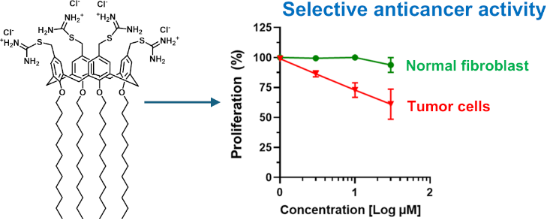
- mechanisms including elevation of reactive oxygen species (ROS) or interference with redox homeostasis, and inhibition of kinase or topoisomerase activities essential for cancer cell proliferation. The selective activity of thiouronium salts against cancer cells compared to non-malignant cells can be related


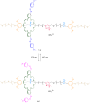
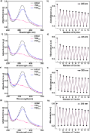
Effect of a photoswitchable rotaxane on membrane permeabilization across lipid compositions
Beilstein J. Org. Chem. 2025, 21, 2498–2512, doi:10.3762/bjoc.21.192
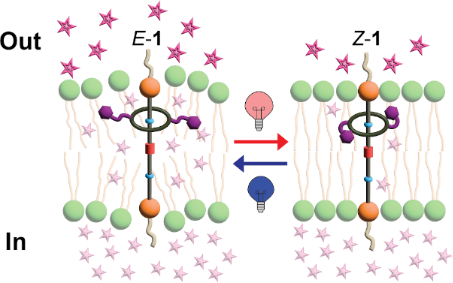
- azobenzene photoswitching, which is supported by MD simulations [15]. Therefore, rotaxane 1 and axle 3 permeabilize membranes through distinct mechanisms. Effect of macrocycle localization The macrocycle with the azobenzene photoswitches in rotaxane 1 can translate and be localized in either of the ammonium
- photochemical process in axle 3, and the diminished effect in rotaxane 2, indicate that release in these systems occurs through different mechanisms. Moreover, our data indicate that the localization of the macrocycle along the axle can lead to variations in release. For rotaxane 4, where the macrocycle is