
Search results
Search for "control" in Full Text gives 1621 result(s) in Beilstein Journal of Organic Chemistry. Showing first 200.
Synthesis of novel 1,2,4-oxadiazole-isoxazoline hybrids and their in silico potential with adenosine receptors
Beilstein J. Org. Chem. 2026, 22, 1033–1047, doi:10.3762/bjoc.22.82
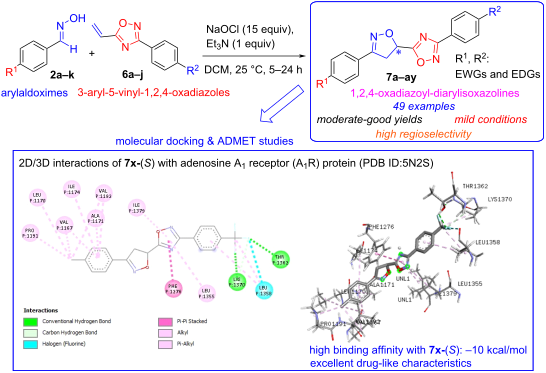
- optimal reaction conditions. A series of experiments was carried out by varying the equivalents of 2e (1.2–1.5 equiv), 6d (1.0–1.5 equiv), sodium hypochlorite (1.6–20 equiv), and triethylamine (1.2–2.4 equiv) (Table 2). In addition, control reactions employing either triethylamine or sodium hypochlorite
- -oxadiazole-isoxazoline derivatives may serve as promising scaffolds for adenosine A₁ receptor modulation, with potential relevance to therapeutic applications such as cardiovascular regulation (e.g., heart rate control and contractility modulation) and central nervous system effects via neurotransmitter


Semisynthesis, characterisation, and antibacterial evaluation of a novel lecanoric acid-derived amide library
Beilstein J. Org. Chem. 2026, 22, 1023–1032, doi:10.3762/bjoc.22.81
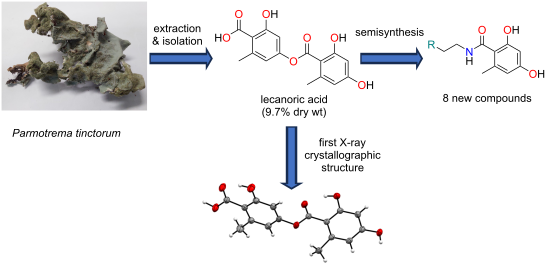
- concentrations of DMSO in the assays was 1%. The negative control or untreated cultures consisted of inoculum and 1% DMSO. Antibiotic tobramycin (16 µg/mL) was used as a positive control. The initial OD600 and final OD600 were read before incubation at 37 °C and after 24 h incubation, respectively, followed by


Z-Selective semihydrogenation of alkynes via Ni/Lewis acid synergistic catalyzed system using DMF as hydrogen source and solvent
Beilstein J. Org. Chem. 2026, 22, 1004–1012, doi:10.3762/bjoc.22.79
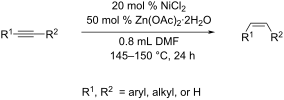
- ). Notably, phosphine-ligated Ni complexes such as (dppe)NiCl2 showed poor activity (20% yield, Table 1, entry 6), while NiCO3·2Ni(OH)2·4H2O afforded 2a in 2% yield (entry 10). Unsurprisingly, control experiments confirmed that the reaction does not proceed in the absence of a nickel source (Table 1, entry
- to terminal alkenes. NiCl2/Zn(AcO)2·2H2O-co-catalyzed semihydrogenation of alkylarylacetylene and dialkylacetylene to (Z)-internal alkenes. See a) Figure S2 and b) Figure S3 in Supporting Information File 1. Control experiment using DMA as solvent together with exogenous formic acid instead of DMF



The role of spacer length and flexibility in peptide self-assembly
Beilstein J. Org. Chem. 2026, 22, 986–996, doi:10.3762/bjoc.22.77
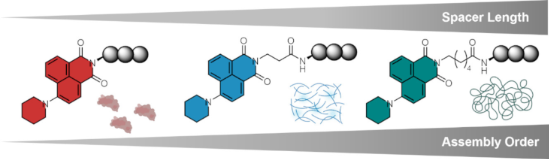
- displayed fibrillar structures, however, their vertical distance was observed to be much lower (0.7–0.8 nm). In contrast, C0-Nap-ICA 8 showed no supramolecular structures (Supporting Information File 1, Figure S39). Control TEM experiments in Milli-Q-H2O (1% TFE) revealed fibrillar structures for peptides 6
- ) Bar plot showing the fluorescence intensity of Proteostat® at λem = 600 nm (λex = 550 nm) after incubation with C6-Nap-ICA 6, C3-Nap-ICA 7, or C0-Nap-ICA 8 (all 100 µM) in PBS (50 mM, pH 7.4, 1% TFE). Control shows the fluorescence of Proteostat® in PBS (50 mM, pH 7.4, 1% TFE). C) Violin plot


Electrochemical reduction of unsaturated carbon–carbon bonds via 3d transition-metal catalysis
Beilstein J. Org. Chem. 2026, 22, 955–981, doi:10.3762/bjoc.22.75
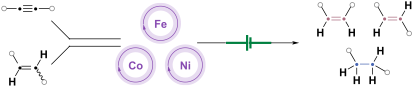
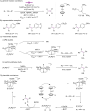
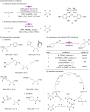
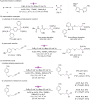
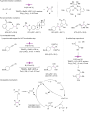
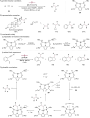
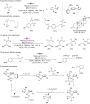
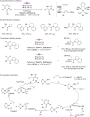
- unsaturated C–C bonds, enabling precise control without molecular hydrogen or stoichiometric reductants. This review summarizes recent advances in iron-, cobalt-, and nickel-catalyzed electroreduction of alkynes and alkenes, highlighting how electrochemical parameters and catalyst design unlock distinct
- reduction while circumventing the need for molecular hydrogen or stoichiometric reducing agents. Consequently, the merger of 3d transition-metal catalysis with electroorganic synthesis represents a conceptual shift beyond traditional reagent-driven approaches, enabling precise control over redox events
- as a convenient parameter for reaction control. In sharp contrast, constant potential electrolysis (CPE) enables selective activation of specific redox events by maintaining a defined electrode potential, thereby allowing precise control over electron transfer and minimizing undesired processes








Recent advances in copper-catalyzed direct hydroamination of alkenes with (hetero)aromatic amines
Beilstein J. Org. Chem. 2026, 22, 925–947, doi:10.3762/bjoc.22.73
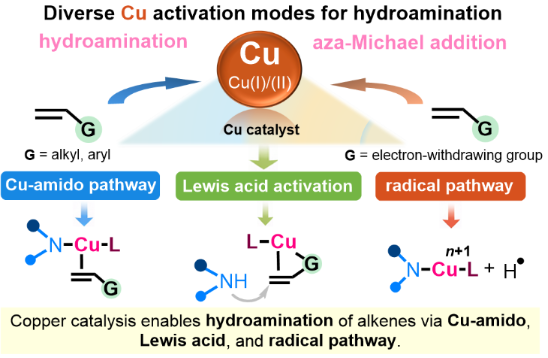
- , including copper–amido-mediated nucleophilic addition or aminocupration, Lewis acid-type alkene activation, and radical-mediated pathways. These complementary mechanisms provide access to diverse alkene classes with control over regioselectivity (Markovnikov vs anti-Markovnikov addition), stereoselectivity
- regioselectivity (Markovnikov vs anti-Markovnikov addition), while stereochemical control (diastereo- and enantioselectivity) presents further challenges (Scheme 1) [7]. These challenges become more pronounced when using (hetero)aromatic amines as the N–H partners. Compared to aliphatic amines, aromatic amines and
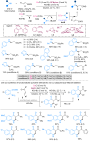
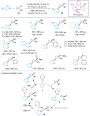
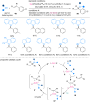
- )aromatic N–H nucleophiles. Notably, ligand design has emerged as a powerful tool for tuning the reactivity and selectivity, including control over Markovnikov vs anti-Markovnikov addition and enantioselective induction in selected cases. These developments collectively underscore the unique adaptability of







Site-specific labelling of native peptides and proteins: chemical and enzymatic strategies
Beilstein J. Org. Chem. 2026, 22, 857–881, doi:10.3762/bjoc.22.67
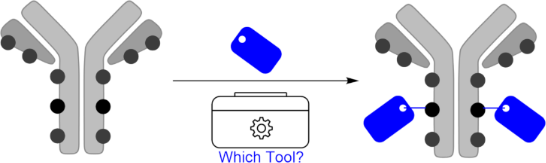
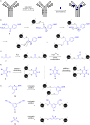
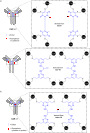
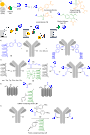
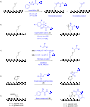
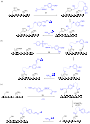
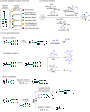
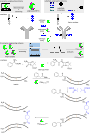
- (19) was later adapted for modification of an asparagine (Asn) residue in the Fc domain of trastuzumab [61]. Rhodium has also been used in visible-light-triggered single-electron transfer (SET) reactions, enabling labelling under mild conditions with spatiotemporal control. Another strategy employs a
- these options are unsuitable, other solvent-exposed nucleophilic residues (e.g., methionine, histidine, tryptophan, tyrosine or arginine) can be targeted, although such reagents are often prepared in-house and may lack positional control. When high-affinity ligands or binders are available, affinity








The trans-influence in gold chemistry from a catalytic perspective
Beilstein J. Org. Chem. 2026, 22, 838–856, doi:10.3762/bjoc.22.66
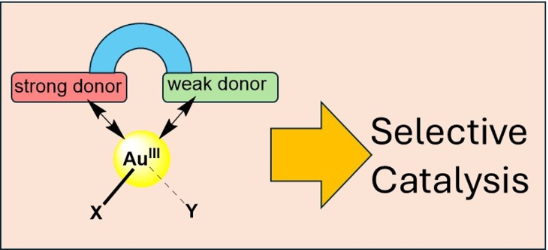
- and reactivity in catalytic reactions [11][12][13][14][15][16][17][18][19]. There is however one important aspect of gold chemistry that is often under-appreciated: the strong control of reactions by the influence of a given ligand on another ligand in trans position, known as the trans-influence
- ]. However, there is apparently yet more versatility in the mechanisms of alkyne hydroauration and may operate for the [(P^N^C)AuH]+ cation 11. Nevado et al. found recently that 11 inserts both DMAD as well as terminal alkynes, to give Au(III) Z-vinyl complexes. Control experiments ruled out the involvement


Unsymmetrical sulfoxides with sterically hindered catechol fragment: synthesis, structure, electrochemical properties, and antiradical activity
Beilstein J. Org. Chem. 2026, 22, 828–837, doi:10.3762/bjoc.22.65
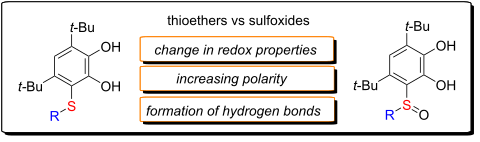
- states provides a powerful way to control organic molecules. Through the controlled conversion of thioethers to sulfoxides and sulfones [21], it is possible to tune their reactivity and biological properties. Indeed, compounds of this type possess pronounced neuroprotective properties [12][13][14
- establish a coherent framework for understanding the behavior of S-functionalized catechols. The ability to control the hydrogen-bonding propensity, redox potentials, and antioxidant activity by varying the substituent at sulfur and its oxidation level opens promising avenues for the design of biomimetic


Total synthesis of the capsular polysaccharide repeating unit towards the development of a glycoconjugate vaccine against Klebsiella pneumoniae ST512
Beilstein J. Org. Chem. 2026, 22, 821–827, doi:10.3762/bjoc.22.64
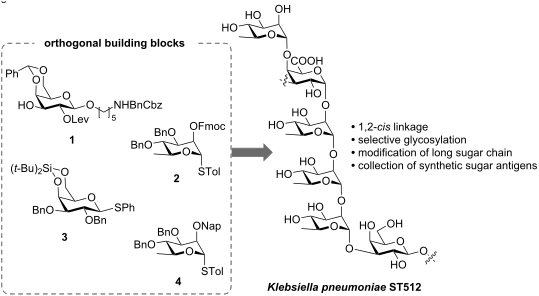
- . Keywords: glycoconjugate vaccines; glycosylation; oligosaccharides; selectivity control; total synthesis; Introduction The emergence and rapid spread of multidrug-resistant bacteria represent a critical threat to global health [1][2][3][4]. Among these pathogens, Klebsiella pneumoniae has surfaced as a


Synthesis and structural elucidation of a novel bis-spirooxindole from isatin and ethylenediamine
Beilstein J. Org. Chem. 2026, 22, 813–820, doi:10.3762/bjoc.22.63
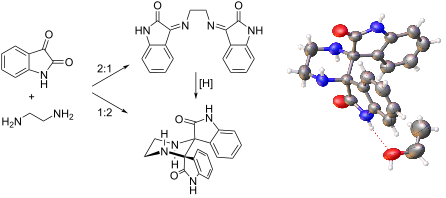
- , these results show that the reaction of isatin with ethylenediamine can be directed toward different structural outcomes depending on stoichiometry. Simple control of stoichiometry governs whether the system evolves through a conventional diimine pathway or diverges toward the assembly of a highly


Synthetic study of vic-bromination of diarylacetylenes, easy purification and separation
Beilstein J. Org. Chem. 2026, 22, 795–802, doi:10.3762/bjoc.22.61
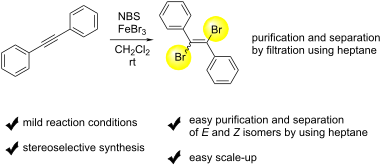
- , and solvent were examined (Table 1, entries 3–12). Because there was a possibility that a bromine radical was involved, TEMPO was used for the purpose of the ratio-control of E and Z isomers. TEMPO was found to have a tendency to suppress the generation of Z-2a in CH2Cl2 (Table 1, entries 6 and 8) [20
- make scale-up very easy. The E-selectivity was dropped in gram-scale synthesis, although the reason is unclear at present. For the understanding of the reaction mechanism, some control experiments were carried out. The reaction of 1a with NBS and n-Bu4NBr without FeBr3 gave trace amount of E-2a (Scheme
- . In addition, heptane played an important and critical role for purification and separation of the crude product. Scope and limitations for bromination of various diarylacetylenes together with the gram-scale synthesis and control experiments were also investigated. These results and findings can



Halogenated azobenzene acrylates: from efficient solution photoswitching to stable solid-state photochromic materials
Beilstein J. Org. Chem. 2026, 22, 782–794, doi:10.3762/bjoc.22.60
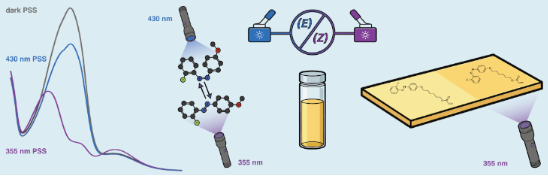
- liquid crystalline copolymeric pendants in macromolecules capable to change their reflectance with the temperature. This feature potentially enables their usage in temperature sensing labels [22]. These representative applications clearly demonstrate a wide interest in a light-driven control over the


Design, synthesis, and biological evaluation of FXR/ASK1 dual-target modulators
Beilstein J. Org. Chem. 2026, 22, 771–781, doi:10.3762/bjoc.22.59
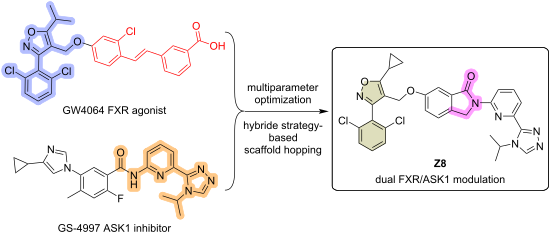
- accumulation. The presence of lipid droplets was confirmed through direct visualization using Oil Red O staining (Figure 3A). The combined treatment with GW4064 and GS4997 exerted a stronger lipolytic effect than either positive control alone, and its activity was comparable to that of Z8. As anticipated, both
- -luciferase reporter assay in CHO cells cultured for 24 hours following addition of GW4064 and test compounds. Compared to the control group, **p < 0.01 and ns indicate no significant difference, with control; DMSO serving as the control group. ASK1 inhibition of all compounds. Results of the ADP-Glo™ kinase
- assay after treating ASK1 kinase with selonsertib and test compounds for 1 hour. Compared to the control group: **p < 0.01 and ns indicates no significant difference; control: DMSO control group. Effects of Z8 and Z30 on OA-induced lipid accumulation in HepG2 cells. Cells were treated with GW4064


Synthesis and biological evaluation of new brassinosteroid analogs with C-22 benzoate function
Beilstein J. Org. Chem. 2026, 22, 753–762, doi:10.3762/bjoc.22.57
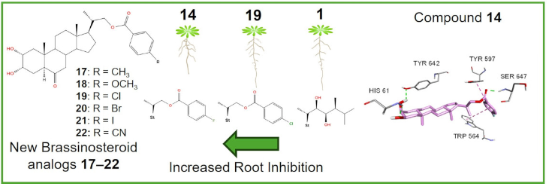
- -carbonyl or 3β-hydroxy function in this ring. Additionally, the accumulation of the dephosphorylated form of the BES1 protein, which is part of the BRs signaling pathway and control their activity, has been evaluated as well. The results are analyzed in terms of BR analog’s structure and compared with
- –22 have been measured at different concentrations (Table S1, Supporting Information File 1). The activities, calculated as the difference of bending angles obtained for the analogs and the negative control, and normalized respect to the latter, are shown in Table 1. The data show that the plant
- response to exogenous application of brassinolide (1) (positive control) or synthetic BR analogs strongly depends on the chemical structure of the BRs. For example, the activity increases with increasing concentration of 1, and analogs 18, 20 and 22, whereas the opposite effect is obtained by applying


Rongalite addition to dienones: diastereoselectivity in cyclic sulfone synthesis; stereochemical rationalization and prospects as a general conjugate nucleophile
Beilstein J. Org. Chem. 2026, 22, 742–752, doi:10.3762/bjoc.22.56

- sulfide oxidation. In that early work, the stereochemical analysis was dependent on conformational analysis and comparison of coupling constants in the 1H NMR spectra. Experiments discussed in our inital report confirmed that the reaction proceeded under kinetic control [21]. Closer examination of the
- 20, in contrast to the successful reaction with phorone (21) to give 22 [43] (Scheme 4). As a control reaction, we conducted the addition of commercially available sodium p-toluenesulfinate to mesityl oxide under analogous conditions, which produced known sulfone 23 [44] in high yield. This
- selectivity for formation of 26 at room temperature suggests a profile that is more reflective of kinetic control, such that we can argue that 26 forms between 1 and 2 orders of magnitude more rapidly than cyclic products 1a and 1b, such that they are not detectable in the 1H NMR spectra. Further anecdotal


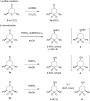


Synthesis of heterocycles based on azomethine ylides from α-amino acids (or amines) and carbonyl compounds
Beilstein J. Org. Chem. 2026, 22, 705–741, doi:10.3762/bjoc.22.55
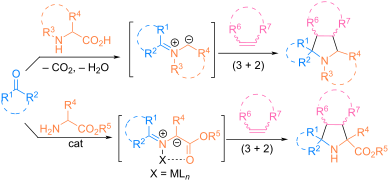
- chiral metal complexes of Ag(I), Cu(I/II), Zn(II), Ni(II) with ligands of the Segphos, Fesulfos, or Biphamphos type [12][13][14][15]. Such catalytic systems control the enantioselectivity of cycloaddition and allow the preparation of enantioenriched pyrrolidines containing several stereocenters in high
- reactions is due to charge and orbital control [1]. Continuing the study of 1,3-dipolar cycloaddition reactions of ninhydrin-based azomethine ylides with cyclopropene dipolarophiles, our research group examined the interaction of cyclopropenes with azomethine ylides from ninhydrin and acyclic amino acids
- of regio- and endo-stereoselective spiro- and dispiro-derivatives of azabicyclo[3.2.0]heptane 151 and 152 is due to orbital control along with second orbital interactions [101]. In 2015, Wu and co-workers described a multicomponent synthesis of various spiro[indole-pyrrolizine], spiro[indole


Anti-invasive and cytotoxic evaluation of a (+)-pinoresinol-based semisynthetic library against glioblastoma
Beilstein J. Org. Chem. 2026, 22, 691–704, doi:10.3762/bjoc.22.54
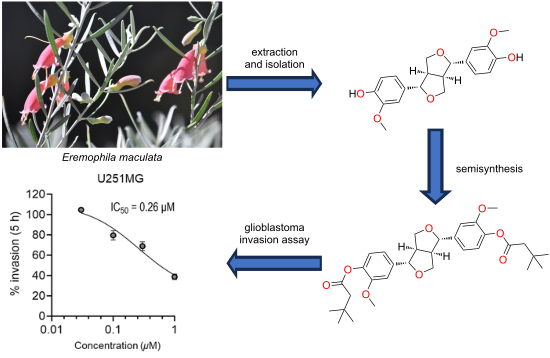
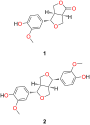
- ranging from 1.56−25 µM with a reduction of up to 65% invasion in comparison to the control [22]. Owing to the interesting biological activity of 2 and its moderate abundance in the seeds of E. maculata, we decided to generate five semisynthetic analogues 3−7 (Figure 2) and evaluate these compounds for in
- concentration of 1 µM with a treatment time of 5 h, and only (+)-4,4'-di(3,3-dimethylbutanoyl)pinoresinol (6) reduced the invasion of the cells (by ≈50%) when compared to the vehicle control. None of the other compounds tested reduced the invasive capability of the cells (Figure 7A). Based on the results of the
- to achieve a cell number of 15,000 cells per mL. Cells were seeded in a 96-well plate (Costar #3596) in triplicates at 100 µL/well (i.e., 1,500 cells/well) and incubated for 24 h at 37 °C and 5% CO2. Vehicle control (positive control) was the solvent DMSO, in which all compounds were dissolved, plus



Harnessing light energy with molecules
Beilstein J. Org. Chem. 2026, 22, 680–682, doi:10.3762/bjoc.22.52

- larger systems or smart materials [9]. Photoswitches are, for example, relevant functional units for information storage or molecular electronic devices. They can serve to control ion transport, molecular assembly/disassembly, or the relative movement of units within molecular machines. In a Review
Photoorganocatalytic trifluoromethylation of (het)arenes in green conditions
Beilstein J. Org. Chem. 2026, 22, 662–671, doi:10.3762/bjoc.22.50
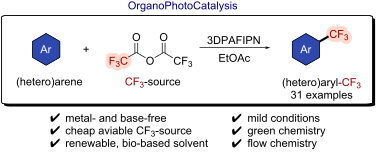
- protocol [16]. Finally, a series of control experiments was carried out. No product formation was observed in the absence of catalyst (Table 1, entry 11), in the dark (entry 12), in the presence of TEMPO (entry 13), or under an air atmosphere (entry 14). Based on the optimization studies, the standard




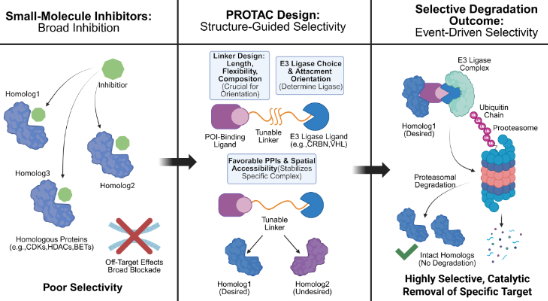
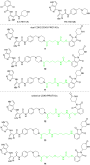
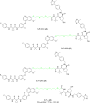
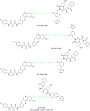
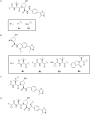
Advantages of PROTACs in achieving selective degradation of homologous protein families
Beilstein J. Org. Chem. 2026, 22, 628–661, doi:10.3762/bjoc.22.49
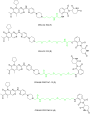
- nanomolar range, the DC50 values for BRD2/3 were both well above 100 nM. Due to the conformational constraint imposed by the macrocyclic linker, compound 37 did not exhibit a "hook effect" even at concentrations as high as 60 μM, whereas the linear control molecule 35 showed a decline in activity at 30 μM
- life to control the disease's further deterioration. Based on these circumstances, if the PROTAC technology can be used to target the degradation of the BCR-ABL protein, it may maintain a good therapeutic effect for CML and reduce the time for CML patients to take medicine. Therefore, to achieve good









Regioselective approach to 5-arylsulfonylisoxazoles and their antimicrobial activity
Beilstein J. Org. Chem. 2026, 22, 592–602, doi:10.3762/bjoc.22.45
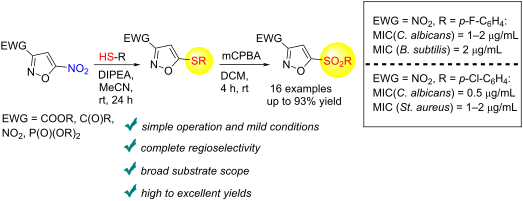
- nitrile oxides in cycloaddition reactions, complete control of regioselectivity without metal catalysis is not always achievable. Another problem with this method is the tendency of nitrile oxides to form dimers (furoxanes), which entails a decrease in the yield of isoxazoles. Due to dimerization, nitrile
- stalled replication forks and impaired DNA synthesis. This disruption triggers cell cycle arrest, which can ultimately result in apoptosis and cell death. However, all tested samples 3h, 3g and 4b exhibited no significant difference compared to the control lane (Figure 3B), indicating that they did not
- passage of the strands through the break and subsequent ligation, leading to DNA relaxation. DNA gyrase performs a similar function but without the requirement for ATP hydrolysis. The antibiotic ciprofloxacin (Cip), which inhibits DNA gyrase, was used as the positive control. In this test, all tested


Continuous-flow carbonyl hydrogenation under subatmospheric to atmospheric hydrogen pressure enabled by robust heterogeneous Pt–Fe catalysts
Beilstein J. Org. Chem. 2026, 22, 575–582, doi:10.3762/bjoc.22.43
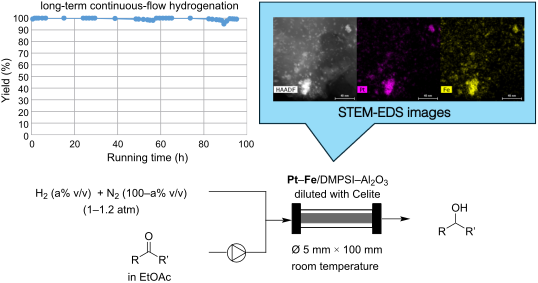
- ][10][11][12]. In this context, advanced technologies represented by the precise control of the bimetallic structure of a heterogeneous catalyst, mechanochemical hydrogenation, and continuous-flow methods using packed-bed reactors greatly contributed to advancing this transformation [9][11][12][13
- column with Celite, with the molar amount of Pt adjusted to 0.006 mmol within the column. Both the solution of acetophenone (1a) in ethyl acetate (EtOAc) and hydrogen gas were simultaneously passed through the catalyst-packed column without backpressure control at room temperature (Scheme 1). The powder


Kinetic resolution of racemic planar-chiral vinylcymantrenes by molybdenum-catalyzed asymmetric metathesis dimerization
Beilstein J. Org. Chem. 2026, 22, 568–574, doi:10.3762/bjoc.22.42
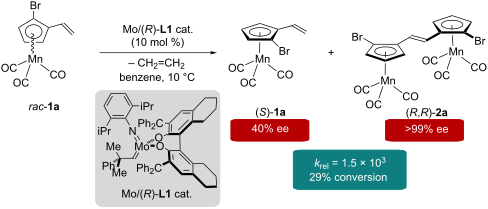
- ], reveals that the molybdenum-catalyzed asymmetric metathesis reactions are powerful tools to control planar chirality in various transition-metal complexes. ORTEP drawing of the X-ray structure of (S,S)-(–)-2b with atom numbering (thermal ellipsoids set at the 30% probability level). Selected bond lengths


Molecular tweezer–peptide conjugates disrupt the protein–protein interaction between survivin and histone H3 essential in mitosis
Beilstein J. Org. Chem. 2026, 22, 557–567, doi:10.3762/bjoc.22.41
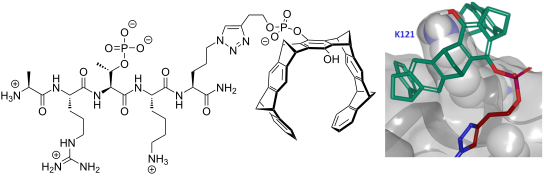
- centromere protein), and the kinase Aurora B. During mitosis, Aurora B phosphorylates important components of the kinetochore and thus exerts control over key events of the whole process. The other three proteins localize the CPC during the different mitotic phases [4]. Survivin, borealin and INCENP are