

Search results
Search for "X-ray" in Full Text gives 1344 result(s) in Beilstein Journal of Organic Chemistry. Showing first 200.
Rhodopyran, a carboxylated hexahydrocyclopenta[b]pyran from Rhodococcus
Beilstein J. Org. Chem. 2026, 22, 1107–1113, doi:10.3762/bjoc.22.89
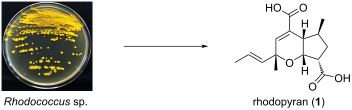
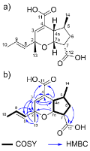
- correlation between Me-14 and H-4a (and H-6β) supported the location of Me-14 on the same face. Thus, the relative configuration of rhodopyran (1) was established as shown in Figure 2. Attempts to determine the absolute configuration by ECD analysis and single-crystal X-ray diffraction were unsuccessful


Semisynthesis, characterisation, and antibacterial evaluation of a novel lecanoric acid-derived amide library
Beilstein J. Org. Chem. 2026, 22, 1023–1032, doi:10.3762/bjoc.22.81
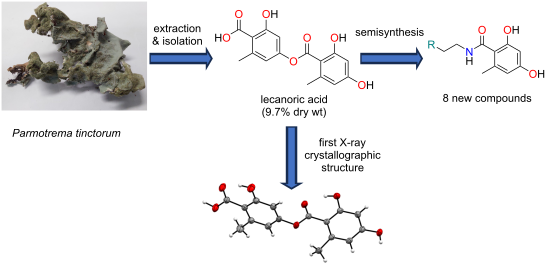
- new semisynthetic compounds were fully characterised following 1D/2D NMR, MS and UV data analysis. Crystalline lecanoric acid was obtained during the chemical investigations of the lichen extract, enabling the first X-ray crystallographic analysis to be undertaken on this depside. Compounds 1–13 were
- ]. Spectroscopic and spectrometric literature values were compared with our data in order to identify the five known lichen compounds [17][18][19][20][21][22][23]. Crystalline lecanoric acid (1) was fortuitously obtained during our isolation studies, permitting the first X-ray crystallographic structure of this
- Information File 1, pp S83–S89 for 1D/2D NMR data in DMSO-d6; LRMS–ESI(+) (m/z): 332 [M + H]+, 354 [M + Na]+; HRMS–ESI(+) (m/z): [M + Na]+ calcd for C18H21NNaO5, 354.1312; found, 354.1308. X-ray crystallography analysis of lecanoric acid (1) Intensity data were collected on a Rigaku XtalLAB Synergy


Synthesis and optical resolution of 4,5-diaminohomoadamantane: a promising scaffold for chiral ligands and bioactive compounds
Beilstein J. Org. Chem. 2026, 22, 1013–1022, doi:10.3762/bjoc.22.80
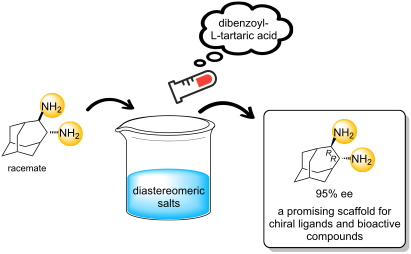
- -dihydropyrazine (4R,5R)-17 derived from diamine (4R,5R)-8a', the enantiomeric excess was determined to be 95%. Multiple attempts to grow a crystal suitable for X-ray analysis were unsuccessful; therefore, the absolute configuration of (4R,5R)-8a' was proposed on the basis of quantum mechanical calculations. To


Rh(III)-catalyzed chelation-assisted C–H activation/annulation of 2-arylimidazolines with cyclic diazo-1,3-dicarbonyl compounds: a novel approach to tetracyclic annulated derivatives of 2,3-dihydroimidazo[2,1-a]isoquinoline
Beilstein J. Org. Chem. 2026, 22, 997–1003, doi:10.3762/bjoc.22.78
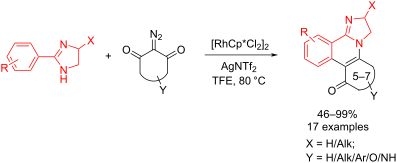
- C–H activation/annulation. The structures of compounds 4a and 4f were supported by X-ray crystallography (CCDC 2450071 and 2502221). Several other types of diazo compounds were found to be unsuitable for this approach since products 4r–v could not be isolated (Figure 2). These diazo compounds were
- the preparation of compounds 2–4, analytical data for compounds 4a–q, copies of their NMR spectra, and X-ray crystallography data for compounds 4a and 4f. Acknowledgements We thank LLC Accellenna, Russia for continuous support. We are grateful to the Research Centre for Magnetic Resonance, the Centre
- for Chemical Analysis and Materials Research, the Research Centre for X-ray Diffraction Studies and the Cryogenic department of Saint Petersburg State University Research Park for the analytical data. Funding This research was funded by the Russian Science Foundation project grant no. 19-75-30008-P.


Electrochemical reduction of unsaturated carbon–carbon bonds via 3d transition-metal catalysis
Beilstein J. Org. Chem. 2026, 22, 955–981, doi:10.3762/bjoc.22.75
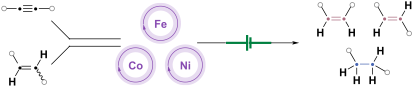
- tandem electrocatalysis essential for productive reactivity. During controlled-potential electrolysis, a characteristic color change of the solution was observed, and formation of an electrogenerated Fe(I) species was unambiguously confirmed by X-ray diffraction analysis and UV–vis spectroscopy in the








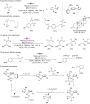
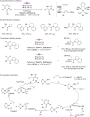
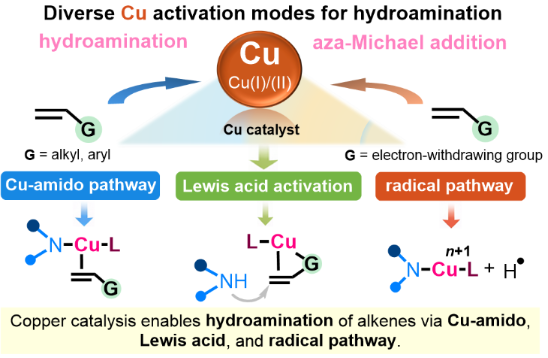
Recent advances in copper-catalyzed direct hydroamination of alkenes with (hetero)aromatic amines
Beilstein J. Org. Chem. 2026, 22, 925–947, doi:10.3762/bjoc.22.73
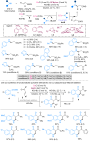
- CuCo2O4 catalyst was prepared via an oxalate decomposition method and extensively characterized using powder X-ray diffraction, field-emission scanning electron microscopy, and energy dispersive X-ray spectroscopy. Structural analysis revealed the formation of microsheet-like architectures with high







Cascade transformation of 2-(diazoacetyl)-2H-azirines to 2-aroyl-3-hydroxy-1H-pyrroles via condensation with aromatic aldehydes
Beilstein J. Org. Chem. 2026, 22, 897–904, doi:10.3762/bjoc.22.70
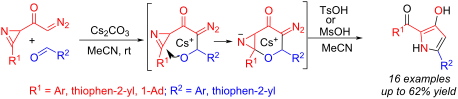
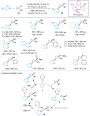
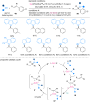
- , using the found optimal conditions (Table 1), a series of 2-aroyl-3-hydroxypyrroles 5a–p were synthesized (Scheme 5). The structure of compound 5a was confirmed by an X-ray structural analysis (CCDC 2536266). The yield of products 5a–m,p was 25–62% in 2 synthetic steps, with complete conversion of the
- Centre for Magnetic Resonance, the Research Centre for X-ray Diffraction Studies, the Centre for Chemical Analysis and Materials, Centre for Optical and Laser Materials Research and the Computer Centre of the Science Park of St. Petersburg State University. Funding This work was supported by the Russian


Chiral cyclopropenimine-catalyzed enantioselective Michael reactions of phenol and benzofuran-derived α,β-unsaturated pyrazolamides with benzophenone-imine of glycine esters
Beilstein J. Org. Chem. 2026, 22, 888–896, doi:10.3762/bjoc.22.69
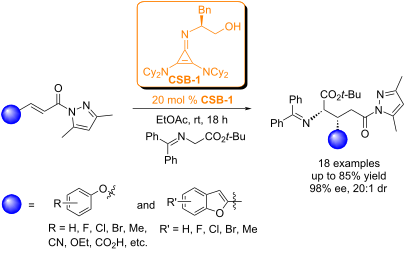
- (Lambert catalyst, CSB-1) as an organocatalyst. In the presence of 20 mol % CSB-1, the Michael adducts were obtained in up to 85% yield and 98% ee under mild conditions. The configurations of these Michael products were deduced by X-ray single crystal diffraction of a pyroglutamic acid ester containing two
- in high yields and excellent ee values (Scheme 4) To our delight, 3-substituted pyroglutamic acid ester 7d’ was obtained as single crystals for X-ray diffraction analysis [15]. The ester group and the bromophenoxymethyl group were arranged on the other side of the pyrrolidinone ring to be in trans
- yields and enantioselectivities. The absolute configuration of chiral 3-substituted pyroglutamic acid ester were determined by X-ray single crystal diffraction. This protocol can be used for the late-stage modification of bioactive molecules containing a phenol group. The synthesis of chiral 3,4






Diastereodivergent electrophilic trapping of α-boryl lithium derivatives
Beilstein J. Org. Chem. 2026, 22, 882–887, doi:10.3762/bjoc.22.68
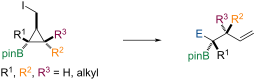
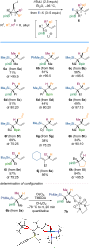
- electrophile PhMe2SiCl did not alter the selectivity of the transformation, yielding 6b as a single diastereomer (Scheme 3). The relative configuration of 6b was determined by X-ray analysis of the osmate ester 7b, derived from osmium-catalyzed dihydroxylation (Scheme 3) [38], and the other products were
- confirmed due to the inability to obtain suitable crystals for X-ray analysis. In addition to the nucleophilic substitution of the boryl lithium species with R3SiCl, a small range of alternative electrophiles was examined (Scheme 3). Incorporation of a tin-based electrophile furnished stannane 6i in
- : cyclopropane 5i possessing a chloride as a leaving group underwent highly selective cyclization to deliver the stereodefined borylated cyclopentane 6k in high 84% yield as a single diastereomer. The relative configuration of 6k was unambiguously established by X-ray crystallographic analysis of an osmylated




The trans-influence in gold chemistry from a catalytic perspective
Beilstein J. Org. Chem. 2026, 22, 838–856, doi:10.3762/bjoc.22.66
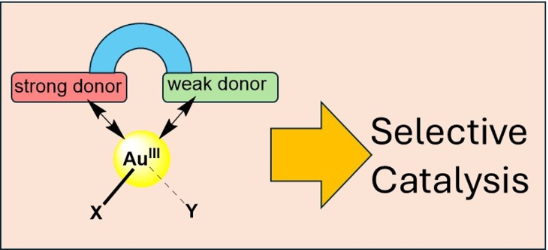
- auto-accelerating radical chain mechanism, to give a stable hydroperoxide complex 23 that was characterised by X-ray diffraction. This reaction was greatly accelerated by AIBN as radical initiator which generates Au(II) radical cations [(P^C^P)Au]+•, as well as RO• and ROO• radicals, which propagate
- ligands is to consider the structure of the recently described π-allyl complexes 26–28 (Scheme 14) [80][81][82][83]. Compounds 26 and 27 were characterised by X-ray diffraction and NMR spectroscopy, which showed that 26 is fluxional. The dication 28 was spectroscopically identified and the structure


Unsymmetrical sulfoxides with sterically hindered catechol fragment: synthesis, structure, electrochemical properties, and antiradical activity
Beilstein J. Org. Chem. 2026, 22, 828–837, doi:10.3762/bjoc.22.65
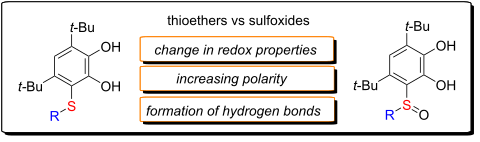
- reaction products ranges from 42 to 89%. The crystal structures of catechol sulfoxides with isopropyl, cyclopentyl, adamantyl, benzyl and 1-naphthyl moieties were established by single-crystal X-ray analysis. The possibility of forming intra- and intermolecular hydrogen bonds has been shown for these
- on the sulfoxide group. Keywords: antioxidant activity; catechol thioethers; redox-transformations; sulfoxides; X-ray analysis; Introduction Polyphenolic compounds can participate in redox processes and undergo a wide range of chemical modifications. As a result, they possess diverse biological
- {1H} NMR spectroscopy (Figures S1–S20), HRMS (Figures S21–S26) in Supporting Information File 1, and elemental analysis. X-ray data The X-ray suitable crystals of 1a, 4a–7a were grown by slow recrystallization of the compounds from acetonitrile or chloroform (for 7a) solutions at room temperature. The


Synthesis and structural elucidation of a novel bis-spirooxindole from isatin and ethylenediamine
Beilstein J. Org. Chem. 2026, 22, 813–820, doi:10.3762/bjoc.22.63
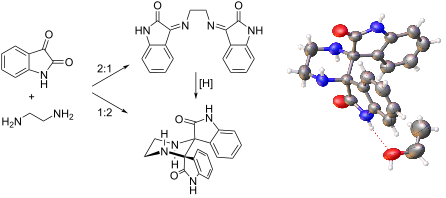
- single-crystal X-ray diffraction. In addition, the isolated diiminoisatin can be independently reduced to the same bis-spirooxindole. These results broaden the scope of isatin–diamine condensations and demonstrate their potential to generate structurally complex spirooxindole architectures under simple
- -proline (7), which leads to the formation of the dispirocyclic product 9 whose structure was ultimately established by X-ray diffraction after initial ambiguity based on spectroscopic data alone (Scheme 1) [16][17]. This case illustrates how condensations of isatin with bifunctional nitrogen nucleophiles
- . Single-crystal X-ray diffraction analysis confirmed the structure of 25 unambiguously. The ORTEP representation (Figure 2) shows two oxindole units arranged orthogonally and connected by a central six-membered piperazine ring, with both isatin C-3 atoms converted into nitrogen-bearing spiro centers. The


Knoevenagel condensation of 4,5- and 1,8-diazafluorenes
Beilstein J. Org. Chem. 2026, 22, 803–812, doi:10.3762/bjoc.22.62
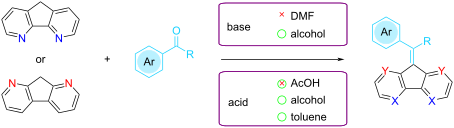
- diazafluorenylidenes were characterized by NMR, HRMS, elemental analysis, cyclic voltammetry (CV), UV–vis spectroscopy (Figure 1) and X-ray data (Figure 2 and Figure S4 in Supporting Information File 1). Figure 1a demonstrates the cyclic voltammograms of DPDAFs in CH2Cl2 solution. Both compounds demonstrated
- . LUMO energies were estimated using the onset red/ox potentials according to the equation: Elumo= −(Eredonset + 4.8) (eV) X-ray study. Neat compounds were crystallized by a slow vapor diffusion method from the CHCl3/hexane (4,5-DPDAF) and toluene/iPrOH (1,8-DPDAF) systems. The crystal growth time was
- about 3 days. The crystals of Zn-4,5-DPDAF (Zn–4,5-DPDAF) were grown by layering a near-saturated ZnCl2 solution in CH3OH over the CHCl3 solution of 4,5-DPDAF. The crystal growth time was about 2 weeks. Single-crystal X-ray diffraction experiments were performed at 296(2) K using a Bruker KAPPA APEX II




Preparation of 3-(alkylamino)imidazo[1,2-a]pyridine-2-carbaldehydes via Kornblum oxidation and unexpected ring-opening reactions of the corresponding alcohols under oxidative conditions
Beilstein J. Org. Chem. 2026, 22, 763–770, doi:10.3762/bjoc.22.58
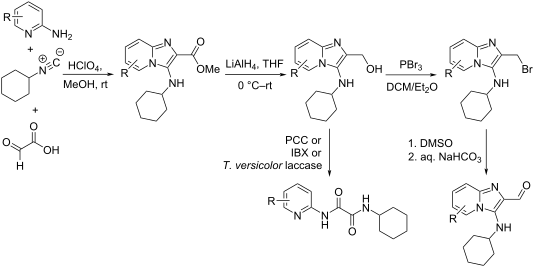
- there was an additional proton observed in the aromatic region and one missing from the aliphatic region. Crystals were grown for the unexpected oxidation product formed from 17a and X-ray crystallography revealed that oxidative ring-opening had occurred to give product 18a (Figure 4). Carrying out
- transcriptase in due course. Examples of biologically active imidazo[1,2-a]pyridines. Compounds envisaged for synthesis. Previously reported 3-amino-2-carboxylic acid derivatives. Single crystal X-ray structure of 18a. ORTEP diagram drawn at 50% probability level. Different oxidative cleavage products obtained
- 8. Yield optimisation using varying amounts of acid catalyst.a Supporting Information Supporting Information File 16: Experimental procedures, copies of NMR spectra and X-ray data of compound 18a. Acknowledgements The authors thank Matthew Bracken for the acquisition of the X-ray data. This work


Synthesis and biological evaluation of new brassinosteroid analogs with C-22 benzoate function
Beilstein J. Org. Chem. 2026, 22, 753–762, doi:10.3762/bjoc.22.57
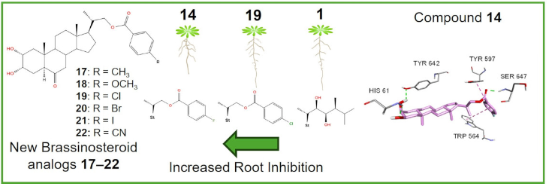
- structurally and functionally comprehensive model system resolved by X-ray crystallography. Unlike BRL1 and BRL3, for which only monomeric ectodomain structures are available, the 4M7E structure enables modeling of the full receptor–co-receptor assembly required for the “molecular glue” mechanism involving


Rongalite addition to dienones: diastereoselectivity in cyclic sulfone synthesis; stereochemical rationalization and prospects as a general conjugate nucleophile
Beilstein J. Org. Chem. 2026, 22, 742–752, doi:10.3762/bjoc.22.56

- sought confirmation of the structures of the minor and major diastereomers in our own hands. Noting that preparation of sulfides by double conjugate addition of Na2S or NaSH has been widely studied, and that the stereochemical assignments presented therein are in some cases supported by X-ray


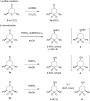


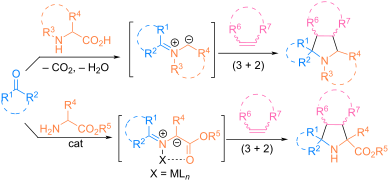
Synthesis of heterocycles based on azomethine ylides from α-amino acids (or amines) and carbonyl compounds
Beilstein J. Org. Chem. 2026, 22, 705–741, doi:10.3762/bjoc.22.55


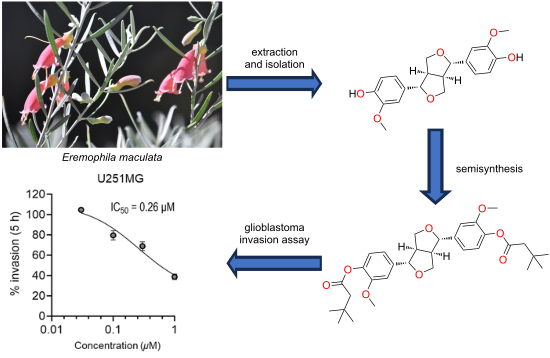
Anti-invasive and cytotoxic evaluation of a (+)-pinoresinol-based semisynthetic library against glioblastoma
Beilstein J. Org. Chem. 2026, 22, 691–704, doi:10.3762/bjoc.22.54
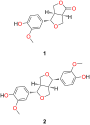
- planar structure assignment for 5. Moreover, the relative configuration of the semisynthetic derivative 5 was assigned following ROESY data analysis. Following the slow evaporation of a methanolic solution of (+)-eudesmin (3), suitable crystals were obtained for X-ray crystallographic studies (Figure 4
- (MeOH) λext (Δε) 224 (2.71), 291 (−2.11); see Supporting Information File 1 for 1H (800 MHz) and 13C NMR (200 MHz) data in CDCl3; LRESIMS m/z: [M + Na]+ 549; HRESIMS m/z: [M + Na]+ calcd for C30H38NaO8, 549.2459; found, 549.2458. X-ray crystallography analysis of (+)-eudesmin (3) Intensity data were
- ), which enabled the absolute configuration of 3 to be assigned as 7S,8R,7'S,8'R. Moreover, this is the first report of a crystal structure of (+)-eudesmin (3). In 2015, Lu et al. reported the purification and full characterization of both enantiomers of eudesmin from Acorus tatarinowii, along with the X



Synthesis of depressin, cryptomeridiol and 4-epi-cryptomeridiol enabled by a terpenoid chiral pool-producing platform
Beilstein J. Org. Chem. 2026, 22, 683–690, doi:10.3762/bjoc.22.53
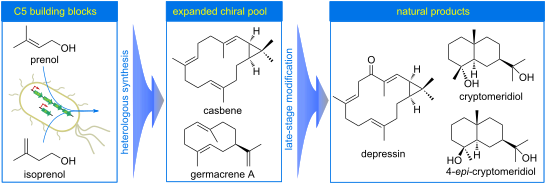
- derivative 16 (CCDC 2470579) as a brownish-yellow needle suitable for X-ray diffraction (Scheme 2b) [56][57], which confirmed the absolute configuration of the casbene skeleton and the position of the first allylic oxidation. It is also interesting to note that the three double bonds in this molecule are
- -cryptomeridiol (3). Synthesis of depressin (1), cryptomeridiol (2), and 4-epi-cryptomeridiol (3). a) Synthetic route of 1 starting from casbene (4). b) Preparation of 2,4-nitrophenylhydrazone derivative of 13-ketocasbene (9) for X-ray diffraction. c) Synthetic route of 2 and 3 starting from germacrene A (5
- ). Supporting Information Supporting Information File 5: Materials, synthetic methods and copies of NMR spectra for all compounds. Supporting Information File 6: X-ray crystal structure of 16. Funding We are grateful to the National Natural Science Foundation of China (No. 82574274) for the financial support.


Harnessing light energy with molecules
Beilstein J. Org. Chem. 2026, 22, 680–682, doi:10.3762/bjoc.22.52
- -ray-induced isomerization within micelles generated from two different photosurfactants (containing either an azobenzene or arylazopyrazole photoswitch), thereby creating guidelines for using small-angle X-ray scattering to study photoresponsive materials of potential applications in solar energy
- another publication, Leung and co-workers [11] describe how amphiphilic donor–acceptor Stenhouse adducts can be employed in supramolecular nanostructures controlled by visible light, which is of particular interest for the development of biomedical materials. Jones, Evans, and co-workers [12] studied X
Using generative AI to transform peptide hits into small molecule leads
Beilstein J. Org. Chem. 2026, 22, 672–679, doi:10.3762/bjoc.22.51
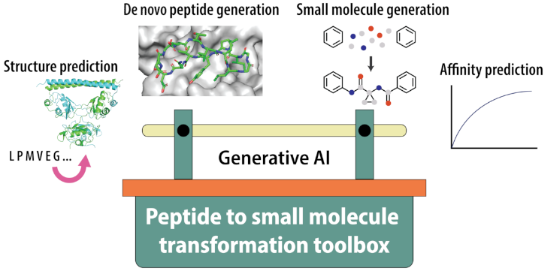
- other biomolecules) where no experimental structure has been reported. While the accuracy of these models continues to increase with time, protein structures modelled on experimental data (X-ray crystallography, cryo-electron microscopy) still remain the gold standard as starting points for structure


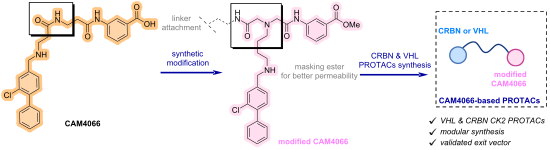
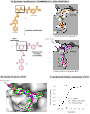
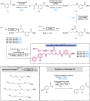
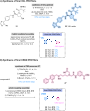
Towards the targeted protein degradation of CK2: design and synthesis of CAM4066-based PROTACs
Beilstein J. Org. Chem. 2026, 22, 611–619, doi:10.3762/bjoc.22.47
- Biophysical and X-ray crystallographic facilities at the Department of Biochemistry for access to instrumentation. We thank Diamond Light Source for access to beamline (proposal ID mx25402). Funding S. Day-Riley is grateful AstraZeneca Cambridge for a studentship and financial support. S. Krajcovicova is

Kinetic resolution of racemic planar-chiral vinylcymantrenes by molybdenum-catalyzed asymmetric metathesis dimerization
Beilstein J. Org. Chem. 2026, 22, 568–574, doi:10.3762/bjoc.22.42
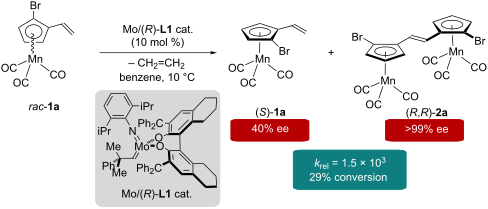
- configuration of (–)-2b Levorotatory AMD/KR product (–)-2b, which was obtained as in entry 8, Table 1 using Mo/(R)-L1 precatalyst, was recrystallized by slow diffusion of pentane into the concentrated diethyl ether solution. Crystals of (–)-2b were grown as light-yellow blocks. The X-ray crystallography
- ], reveals that the molybdenum-catalyzed asymmetric metathesis reactions are powerful tools to control planar chirality in various transition-metal complexes. ORTEP drawing of the X-ray structure of (S,S)-(–)-2b with atom numbering (thermal ellipsoids set at the 30% probability level). Selected bond lengths


Molecular tweezer–peptide conjugates disrupt the protein–protein interaction between survivin and histone H3 essential in mitosis
Beilstein J. Org. Chem. 2026, 22, 557–567, doi:10.3762/bjoc.22.41
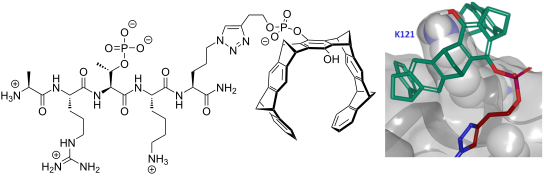
- ; protein–protein interaction; mitosis; X-ray crystallography; Introduction The fundamental process of mitosis is controlled by a very large protein complex called the kinetochore, formed by self-assembly from hundreds of single protein components [1]. For the intricate regulation of the various phases of
- by computational modeling (MD and QM/MM simulations) as well as structural biology (NMR/X-ray). Following our powerful concept of reinforcing natural peptide–protein interactions by tweezer conjugation [9][10], we envisaged to attach molecular tweezers to the histone H3 terminus at a distance which
- . Crystallizations with this compound and the truncated survivin constructs 1–122 and 1–127 were finally successful and yielded high-resolution X-ray structures (Figure 4) [15]. The structures of both survivin truncation mutants look very similar, both have a survivin dimer in the asymmetric unit, and the H3 peptide




Experimental and DFT studies on the regioselective methanolysis of 5-azido-9-oxabicyclo[6.1.0]nonan-4-yl 4-nitrobenzoate isomers
Beilstein J. Org. Chem. 2026, 22, 547–556, doi:10.3762/bjoc.22.40
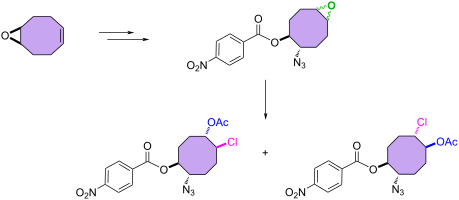
- -ray analysis (Figure 2) [25]. X-ray analysis of azido compound 10 confirmed the trans configuration of the azide group with chloride and the cis configuration with the acetate. Our suggested mechanism for the ring-opening of the epoxides 9 with HCl(g) in MeOH proceeded as described in Scheme 3. As
- NOESY experiments or the other 2D NMR conducted. Compound 11 is not a single crystal, so the determination by X-ray analysis of its structure was not possible. We strongly assume that the structure of 11 is based on the methanolysis mechanism of the epoxide 9a (Scheme 3). In order to elucidate the
- , 1239, 1015, 720; HRESIMS (m/z): [M+ + Na] calcd for C17H19ClN4O6, 433.0891; found, 433.0885. Some important bioactive molecules with an azide group. The X-ray crystal structure of 10. Relative free energy profile for the methanolysis of the isomeric epoxides 9. Mulliken charge analysis of protonated